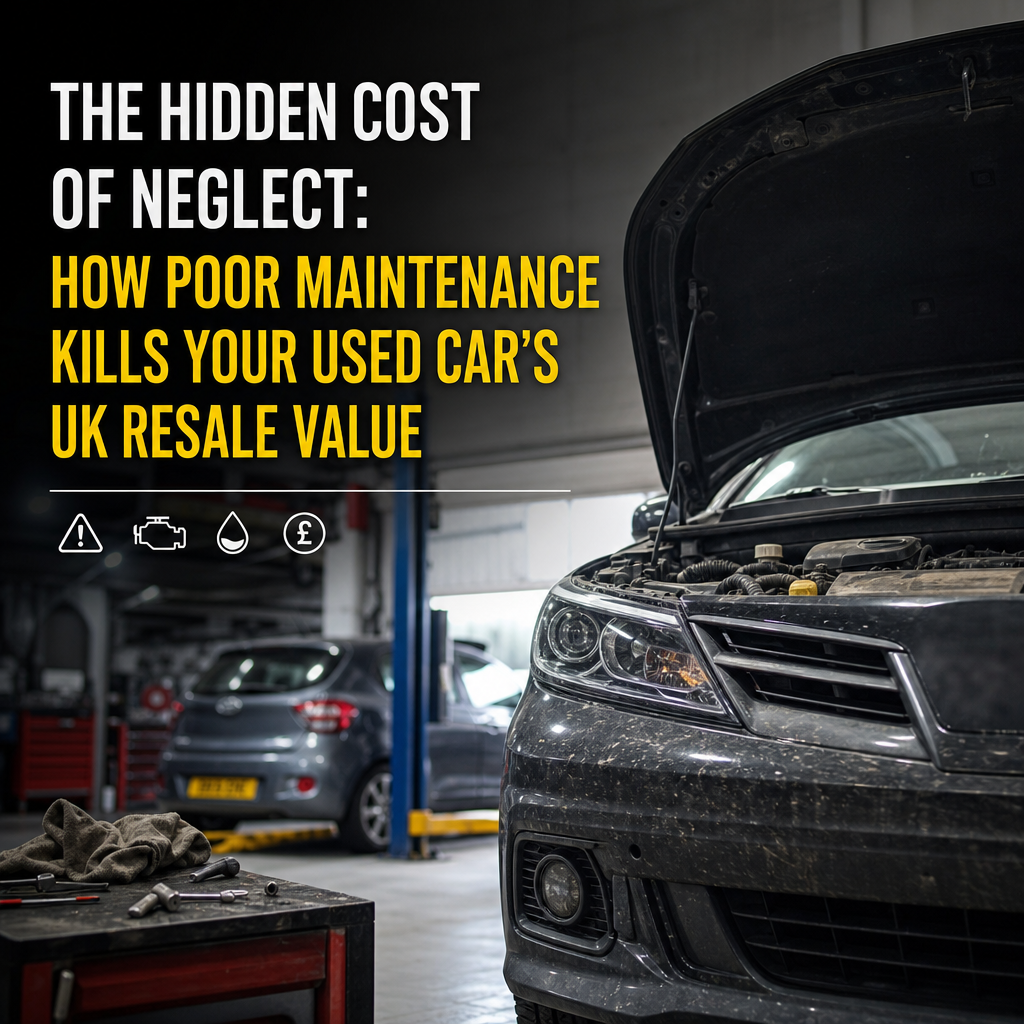
The Hidden Cost of Neglect: How Poor Maintenance Kills Your Used Car's UK Resale Value
As UK motorists, we all want to get the best possible return when it's time to sell our trusty used cars. Whether you're upgrading to a newer model or simply need to free up some capital, a strong resale value can make a significant difference. Yet, many car owners unwittingly sabotage their vehicle's market worth through a silent, insidious killer: neglect.
Poor maintenance isn't just about breakdowns and repair bills; it's a direct assault on your car's desirability and perceived value in the second-hand market. From a dealer's perspective, or that of a savvy private buyer, a poorly maintained car is a high-risk gamble, fraught with potential hidden costs. This article will delve into the critical maintenance oversights that can dramatically devalue your car, equip you with the knowledge to spot red flags as a buyer, highlight the undeniable power of a complete service history, and offer practical tips to protect your investment.
Key Maintenance Oversights That Dramatically Reduce a Vehicle's Market Worth
When a car arrives at a dealership for part-exchange or is listed privately, its history of care (or lack thereof) is quickly scrutinised. Certain areas of neglect act as immediate depreciation magnets:
Engine Health (or lack thereof):
- Missed Oil Changes: This is perhaps the most fundamental and catastrophic oversight. Irregular or missed oil changes lead to sludge build-up, increased friction, premature wear of critical engine components, and can eventually lead to complete engine failure. Buyers will run a mile from a car with a sludgy dipstick or a history of engine issues.
- Overdue Cambelt/Timing Chain Replacement: For many cars, especially popular diesel models like the Ford Focus 1.6 TDCi or VW Golf 2.0 TDI, failing to replace the cambelt (timing belt) at the manufacturer-specified interval is a ticking time bomb. If it snaps, the result is almost always catastrophic engine damage, rendering the car uneconomical to repair and practically worthless. Evidence of replacement is paramount.
Braking System:
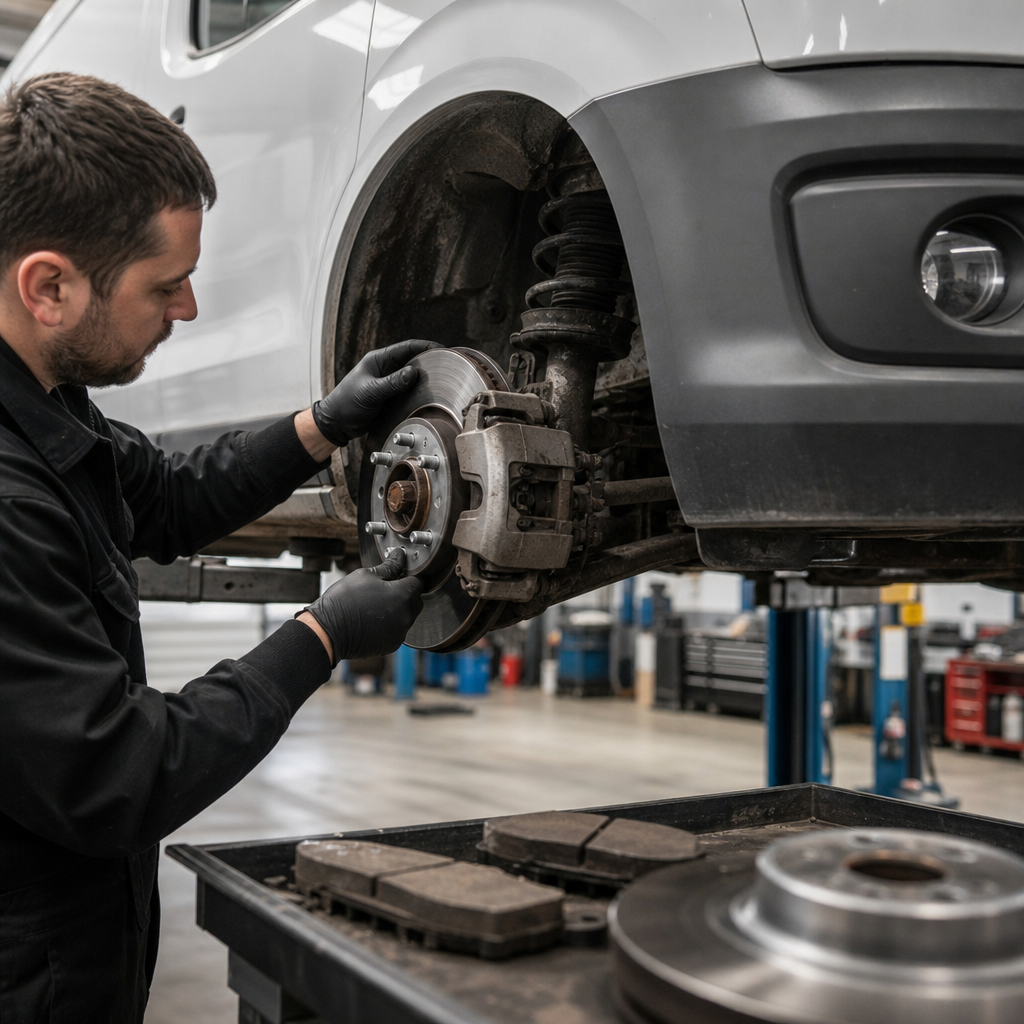
- Worn Pads and Discs: Squealing brakes, a vibrating pedal, or a car pulling to one side immediately signal an expensive repair for the buyer. Discs with a significant lip or deep scoring indicate extended neglect.
- Old Brake Fluid: Often overlooked, brake fluid degrades over time, absorbing moisture which reduces its boiling point and can lead to internal corrosion. While not immediately obvious, a complete lack of brake fluid service in the history raises questions about overall preventative care.
Suspension and Steering Components:
- Worn Shock Absorbers, Bushes, Ball Joints: A test drive will quickly reveal a car that bounces excessively, rattles over bumps, or handles poorly. These issues not only compromise safety and comfort but also indicate a need for costly repairs. A dealer will factor this into their valuation, knowing a buyer won't accept a car with a 'clonking' suspension.
Tyres:
- Illegal Tread Depth, Mismatched Brands, Uneven Wear: Tyres below the legal 1.6mm tread depth make a car unsellable without immediate replacement. Mismatched brands suggest penny-pinching, while uneven wear patterns often point to deeper, unaddressed issues like poor wheel alignment or worn suspension components. All these represent immediate, unavoidable expenses for the next owner.
Other Fluids and Filters:
- Coolant and Transmission Fluid: Like engine oil, these fluids have service lives. Old or incorrect coolant can lead to corrosion and overheating. Neglecting automatic transmission fluid changes can result in rough shifts and premature gearbox failure – a very costly repair.
- Air and Fuel Filters: While cheaper to replace, consistently missing these indicates a general lack of thorough maintenance, leading to reduced engine efficiency and potential issues down the line.
Cosmetic Neglect:
- Minor Dents, Scratches, and Interior Damage: Leaving minor bodywork damage unrepaired suggests a lack of care and can hint at underlying rust if paint is compromised. Inside, stained or torn upholstery, persistent odours (especially smoke), and general grime create an immediate negative impression, making the car feel unloved and less valuable.
Buyer's Guide: Spotting Red Flags of Neglect During a Pre-Purchase Inspection
As a potential buyer, recognising the signs of neglect is crucial to avoid inheriting someone else's problems. Here's what to look for:
Exterior Visual Inspection:
- Tyres: Check tread depth across all four tyres, look for uneven wear (inner/outer edge), and ensure they are from reputable brands and preferably a matching set.
- Bodywork: Look for inconsistencies in paint colour, panel gaps, and overspray (indicating crash repairs). Pay close attention to common rust spots like wheel arches, sills, and around windows.
- Fluid Leaks: Inspect the ground underneath the car for any fresh or dried puddles.
Interior Visual Inspection:
- Dashboard Warnings: Turn the ignition on (without starting the engine) and ensure all warning lights illuminate and then extinguish as they should. Any persistent engine management, ABS, or airbag lights are serious red flags.
- Condition: Assess the upholstery for rips, stains, and excessive wear. Check all buttons and switches work. Be wary of strong air freshener smells, which can mask dampness, mould, or smoke odours.
- Mileage Verification: Cross-reference the mileage with MOT certificates and service records to spot inconsistencies.
Under the Bonnet:
- Fluid Levels and Condition: Check engine oil (dark brown is okay, black/gritty is not), coolant (should be clear and the correct colour), and brake fluid. A very clean engine bay can sometimes be suspicious, potentially hiding leaks.
- Belts and Hoses: Look for cracks, fraying, or excessive wear on drive belts. Check hoses for perishing or leaks.
- Battery: Look for corrosion around the terminals.
During the Test Drive:
- Engine: Listen for unusual noises (knocking, ticking, whining), blue or white smoke from the exhaust on acceleration, and any hesitation or lack of power.
- Brakes: Check for sponginess, grinding noises, or the car pulling to one side under braking.
- Steering: Feel for excessive play, pulling, or unusual noises when turning.
- Suspension: Listen for knocking or clunking over bumps. The car should not bounce excessively after going over an obstruction.
- Gearbox: In an automatic, shifts should be smooth. In a manual, check for a slipping clutch or difficulty engaging gears.
The Power of Proof: Why a Complete Service History is a Dealer's Best Friend
For both private sellers and dealerships, a complete service history is gold. It’s not merely a stack of papers; it's a verifiable narrative of care and attention that builds trust and justifies a higher price.
- Undeniable Credibility: A full service history (FSH) provides irrefutable proof that the car has been maintained according to the manufacturer's schedule. This removes a significant amount of risk for the buyer, whether private or trade.
- Verifiable Major Work: Key, expensive items like cambelt replacements, gearbox services, or major suspension overhauls are all documented. Without this proof, a buyer assumes these crucial services have been neglected and prices their offer accordingly.
- Reduced Haggling: A well-documented history leaves less room for a buyer to chip away at the asking price based on perceived risks or future expenses. It provides transparency that few neglected cars can offer.
- Higher Valuations: Dealers consistently offer more for cars with a complete, documented service history. They know these vehicles are easier to sell, spend less time on the forecourt, and command a higher retail price from the end-user who prioritises peace of mind. A car with an incomplete or missing history could fetch 10-20% less, purely due to the unknown variables.
- Faster Sale: Trust sells quickly. Buyers are far more likely to commit to a purchase when they have confidence in the vehicle's past.
The ideal service history includes stamps in the service book, accompanied by corresponding invoices from reputable garages (main dealer or independent specialists). This offers the most robust proof of diligent maintenance.
Simple, Proactive Maintenance Tips to Protect Your Investment and Maximise Resale
Protecting your car's resale value isn't rocket science; it's about consistency and attention to detail.
- Stick to the Service Schedule (Religiously): This is paramount. Don't skip oil changes, filter replacements, or major services. If your car needs a cambelt change at 60,000 miles or five years, get it done on time by a qualified mechanic. Use an authorised dealer or a reputable independent garage.
- Perform Regular DIY Checks: Take 10 minutes once a month to check your engine oil, coolant, screenwash, and brake fluid levels. Check your tyre pressures and tread depth. Ensure all your lights, indicators, and wipers are working correctly.
- Address Minor Issues Promptly: Don't let a small warning light become a major repair. Ignoring a minor knocking from the suspension or a slight brake squeal can quickly escalate into more expensive problems and indicates broader neglect.
- Keep it Clean, Inside and Out: Regular washing, waxing, and interior cleaning not only makes your car more pleasant to own but also prevents rust, protects paintwork, and keeps the interior fresh. A clean car looks cared for.
- Maintain Meticulous Records: Keep every service invoice, MOT certificate, and repair receipt in a dedicated folder. This organised collection is your car's compelling biography and your most powerful tool when it comes to selling.
- Drive Smartly: Smooth acceleration, gentle braking, and avoiding excessive short journeys can extend the life of many components, including brakes, tyres, and the engine itself.
- Address MOT Advisories: Don't just fix the failures; address the 'advisories' on your MOT certificate. These are potential future failures and dealing with them proactively shows you care.
Conclusion
In the competitive UK used car market, every little detail counts. While market trends, mileage, and specification certainly play their part, the condition and history of your vehicle are paramount. The "hidden cost of neglect" isn't merely the inconvenience of breakdowns or the expense of unexpected repairs; it's the tangible loss of value when you eventually come to sell.
By understanding the key areas of maintenance oversight, knowing how to spot red flags, appreciating the invaluable proof a full service history provides, and adopting proactive maintenance habits, you're not just looking after your car – you're safeguarding your investment. Diligent maintenance isn't an expense; it's the smartest way to ensure your car retains its maximum value, sells quickly, and offers true peace of mind to its next owner. Drive smart, maintain well, and reap the rewards when it's time to move on.