Essential Checks Before a Long UK Drive: Prepping Your Used Car for Motorway Journeys
The lure of the open road, the promise of new destinations, or even just the necessity of a cross-country journey – long drives are an integral part of life for many UK motorists. However, embarking on a significant trip, especially one involving sustained motorway speeds, demands more from your used car than a quick glance. At CarsLink.ai, we understand that reliability and safety are paramount when you hit the road. That's why we've put together this comprehensive guide to the essential checks you must perform before setting off, ensuring your used car is not just ready for the journey, but truly prepared for the rigours of UK motorways.
A well-prepped car offers not only peace of mind but also enhanced safety for you, your passengers, and other road users. Ignoring these crucial checks can lead to inconvenient breakdowns, costly repairs, or, in the worst-case scenario, serious accidents. So, before you load up the boot and plot your route, let’s delve into the vital areas that demand your attention.
1. The Foundation: Tyres – Your Only Contact with the Road
Your tyres are arguably the most critical component on your vehicle, providing the sole connection between your car and the tarmac. Their condition directly impacts handling, braking, fuel efficiency, and overall safety, especially at the higher, sustained speeds of motorway driving.
Tyre Pressure: Incorrect tyre pressure is a common oversight. Under-inflated tyres increase rolling resistance, leading to higher fuel consumption, excessive heat build-up (which can cause a blowout), and compromised handling. Over-inflated tyres reduce the contact patch, leading to a harsher ride, premature wear in the centre of the tread, and reduced grip. Always check your car's recommended pressures – typically found on a sticker inside the driver's door jamb, in the owner's manual, or inside the fuel filler flap. Remember to check pressures when the tyres are cold (before driving, or after a very short journey) and adjust for a fully loaded vehicle if you're travelling with passengers and luggage. A quick check at your local petrol station's air machine can save you a lot of hassle.
Tread Depth: The legal minimum tread depth in the UK is 1.6mm across the central three-quarters of the tread, continuously around the entire circumference. However, for optimum safety, particularly in wet conditions, we strongly recommend a minimum of 3mm. Below this, tyres become significantly less effective at dispersing water, drastically increasing your risk of aquaplaning on a rainy motorway. You can check tread depth using a simple tread depth gauge or by looking for the built-in wear indicators within the main grooves of the tyre. If the tread is flush with these indicators, your tyre is at or below the legal limit and needs immediate replacement.
Tyre Condition: Beyond pressure and tread, a visual inspection of each tyre is crucial. Look for any signs of damage: cuts, bulges, cracks, or embedded objects (like nails or screws). Bulges indicate internal structural damage and are a severe safety risk, demanding immediate professional attention. Cracks in the sidewall can suggest ageing rubber. Don't forget to check your spare tyre (if you have one) or familiarise yourself with your car's tyre repair kit and its expiry date. Imagine cruising down the M6 in heavy rain with tyres close to the legal limit – stopping distances increase dramatically, making proper tyre care a non-negotiable safety measure.
2. The Lifeblood of Your Car: Essential Fluid Checks
Just like our bodies need hydration and nourishment, your car relies on a range of fluids to operate smoothly and efficiently. Checking these levels before a long journey is fundamental to preventing overheating, mechanical failure, and visibility issues.
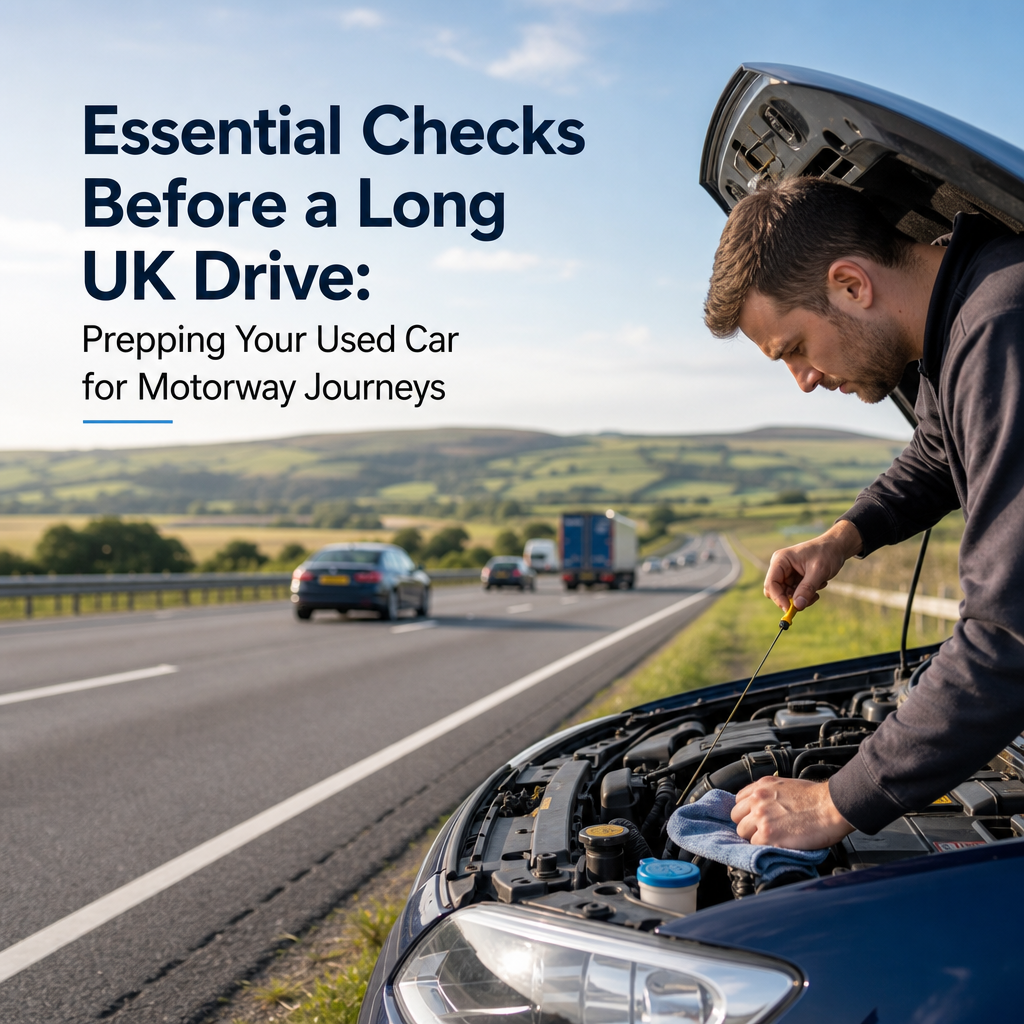
Engine Oil: Your engine oil lubricates moving parts, reduces friction, and helps cool the engine. Insufficient oil can lead to catastrophic engine damage. Check the oil level using the dipstick (refer to your owner's manual for the correct procedure, usually when the engine is warm but switched off for a few minutes). The oil level should be between the 'min' and 'max' marks. If it’s low, top it up with the correct specification of oil for your vehicle.
Coolant (Antifreeze): Coolant prevents your engine from overheating in warm weather and freezing in cold conditions. Check the coolant level in the expansion tank when the engine is cold – it should be between the 'min' and 'max' marks. If it's low, top up with the correct coolant type (usually a 50/50 mix of antifreeze and distilled water). Never open the radiator cap when the engine is hot, as pressurised hot fluid can cause serious burns. An overheating engine on a busy motorway, especially during a summer traffic jam on the M25, is a scenario you want to avoid at all costs.
Brake Fluid: Brake fluid is essential for your braking system. While you can check the level in its reservoir (again, between 'min' and 'max'), a low level can indicate worn brake pads or a leak in the system. If your brake fluid is consistently low, get it inspected by a professional rather than just topping it up, as this could mask a more serious issue.
Screenwash: This might seem minor, but clear visibility is absolutely critical. Ensure your screenwash reservoir is full, especially if you anticipate motorway driving where grime, bugs, and road spray are common. Using a good quality screenwash with de-icer properties in winter, or bug remover in summer, will make a significant difference. Picture yourself on the M1, dusk falling, and your windscreen is splattered with grime – clear visibility is non-negotiable for safe driving.
3. See, Be Seen, and Stop: Lights, Wipers, and Brakes
These components are your primary tools for interacting with your driving environment – seeing what’s ahead, being seen by others, and stopping safely.
Lights: Perform a full sweep of all your car’s lights. This includes dipped beam headlights, full beam headlights, front and rear fog lights, sidelights, tail lights, indicators (front, side, and rear), and brake lights. Ask a friend to stand outside the car, or use reflections in shop windows or garage doors. Don't forget your number plate lights – if these aren’t working, you could face a fine. Properly functioning lights are vital for safe night driving and in adverse weather conditions across the UK.
Wipers: Inspect your wiper blades for any splits, cracks, or signs of perishing rubber. Worn blades will smudge, streak, or chatter across the windscreen, severely impairing your vision during rain. Test them with your screenwash to ensure they clear the screen effectively. A sudden downpour on the A38 without effective wipers is a recipe for anxiety, if not worse, and significantly increases accident risk.
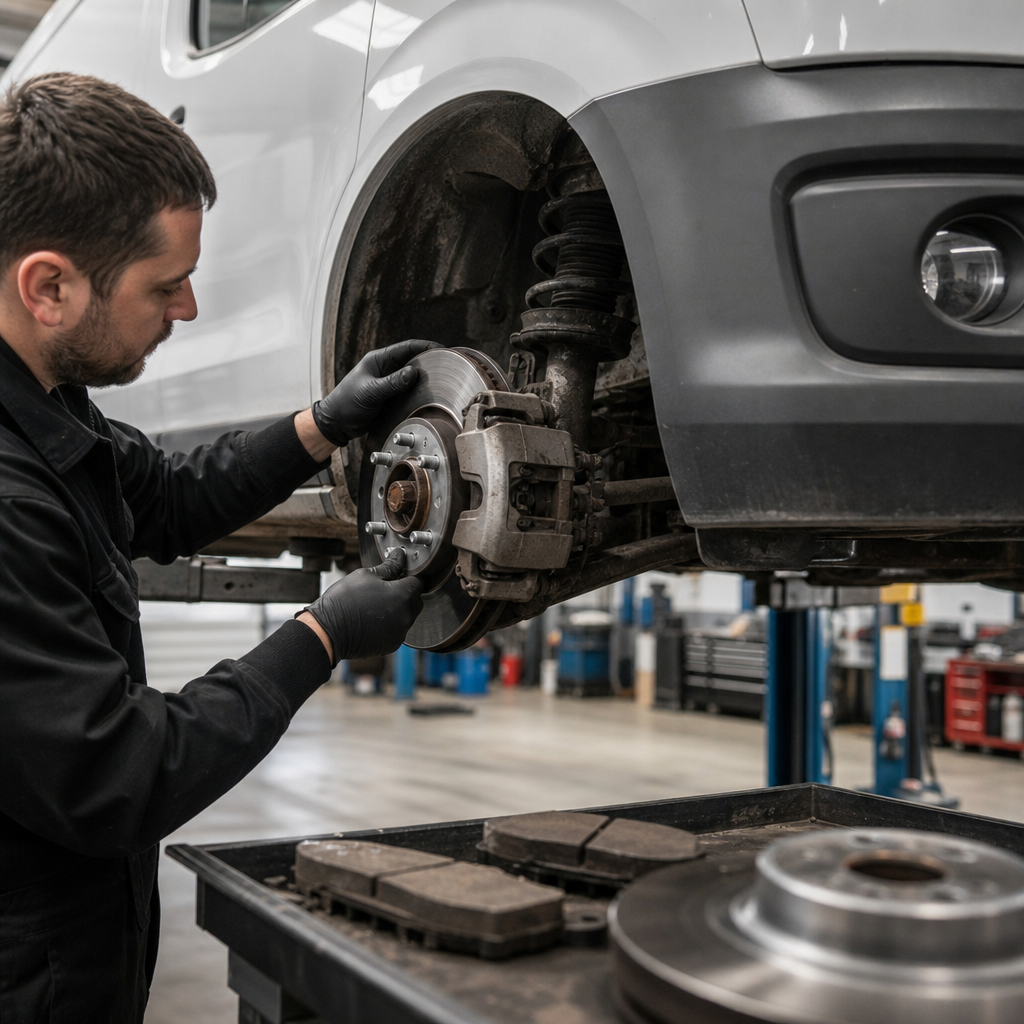
Brakes: While a professional brake inspection is ideal, you can perform a basic check. Listen for any grinding, squealing, or scraping noises when you brake, which could indicate worn pads. Pay attention to how the brake pedal feels – it should be firm, not spongy, and the car should brake in a straight line without pulling to one side. If your car has a brake warning light, ensure it’s not illuminated. Test your handbrake too – it should hold the car firmly on a gradient.
4. Prepared for the Unexpected: Your Emergency Toolkit
Even with the most meticulous preparation, unforeseen events can occur. Being equipped for a breakdown or minor emergency can turn a stressful situation into a manageable inconvenience.
Breakdown Cover: This is arguably your most important ‘emergency kit’ item. Ensure your breakdown cover membership is current and that you have the contact details (phone number, policy number) readily accessible. Knowing who to call and having the service at your disposal offers immense peace of mind.
Warning Triangle & High-Visibility Vest: While not strictly mandatory in the UK, a warning triangle is highly recommended for breakdowns, especially on motorways or unlit roads, to alert approaching traffic. A high-visibility vest is also a sensible addition, making you more visible to other road users if you need to exit your vehicle on the hard shoulder. Many European countries mandate these items, so it's good practice for UK travel too. Breaking down on a dark section of the M4 with no warning triangle or torch makes a bad situation much worse.
First Aid Kit: A basic first aid kit containing plasters, antiseptic wipes, bandages, pain killers, and any personal medication is a valuable asset for minor injuries on the road.
Torch & Power Bank: A reliable torch (with spare batteries) is invaluable for checking under the bonnet or navigating in the dark. A fully charged power bank for your mobile phone is critical for communication, especially if your car battery dies.
Other Useful Items: Consider adding jump leads (just in case of a flat battery), a bottle of water and some non-perishable snacks for potential delays, a basic toolkit, and warm clothing/blankets if travelling in colder months.
Conclusion
Embarking on a long drive across the UK in your used car should be an enjoyable and stress-free experience. By dedicating a small amount of time to these essential checks, you not only enhance your safety and that of your passengers but also significantly reduce the likelihood of inconvenient breakdowns or costly damage. At CarsLink.ai, we believe in empowering used car owners with the knowledge to maintain their vehicles confidently. So, before your next adventure, take a moment to ensure your car is truly prepared. Drive safely, drive confidently, and enjoy the journey!