Staying Safe on Two Wheels: Essential Gear and Pre-Ride Checks for UK Used Motorcycle Owners
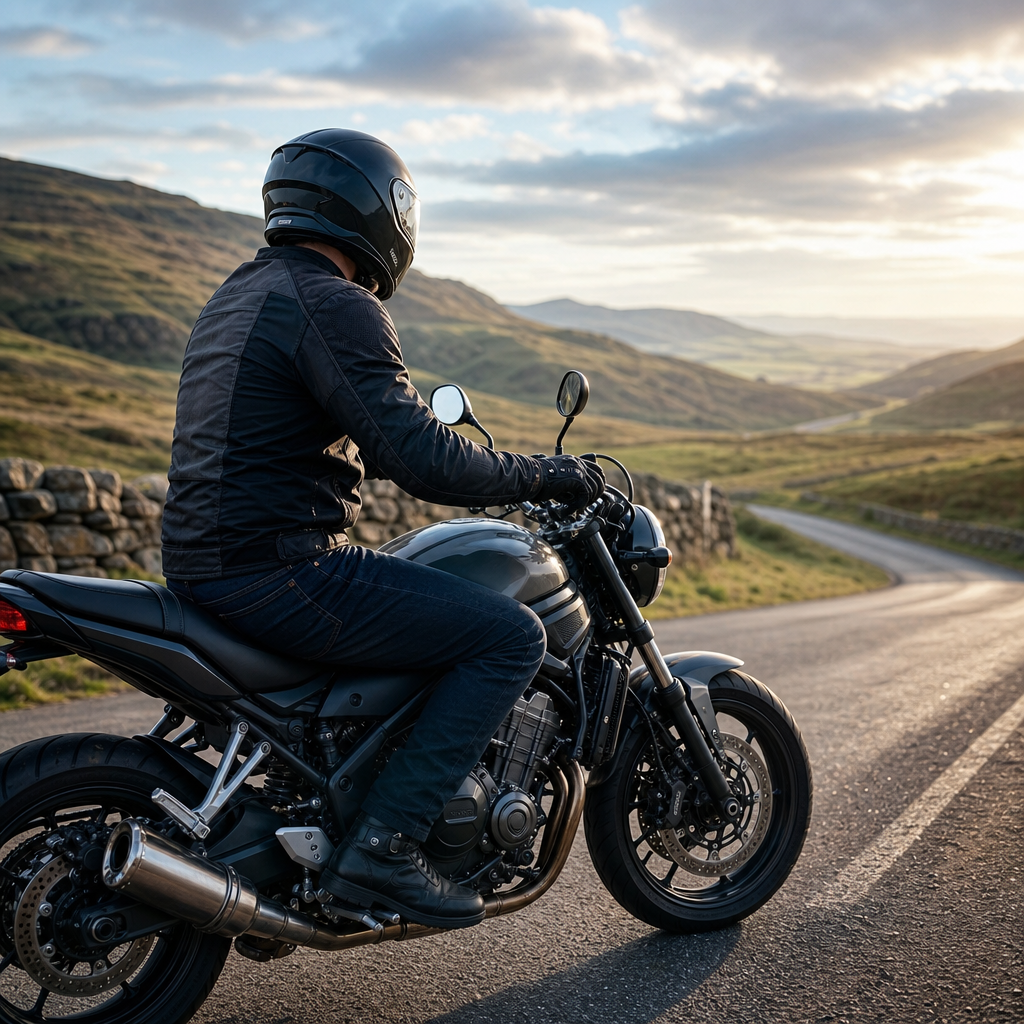
There’s a unique thrill that comes with owning a motorcycle in the UK. The freedom of the open road, the connection with the environment, and the sheer joy of riding are unparalleled. For many, a used motorcycle from CarsLink.ai offers an accessible entry point into this exhilarating world. However, with that freedom comes a heightened responsibility for your safety and that of others. Unlike a car, your body is your vehicle’s crumple zone. Therefore, ensuring you’re adequately protected and your machine is in top condition is not just sensible – it’s paramount. This guide will walk you through the essential gear you need and the crucial pre-ride checks every UK motorcyclist should master.
The Non-Negotiables: Your Defensive Armour
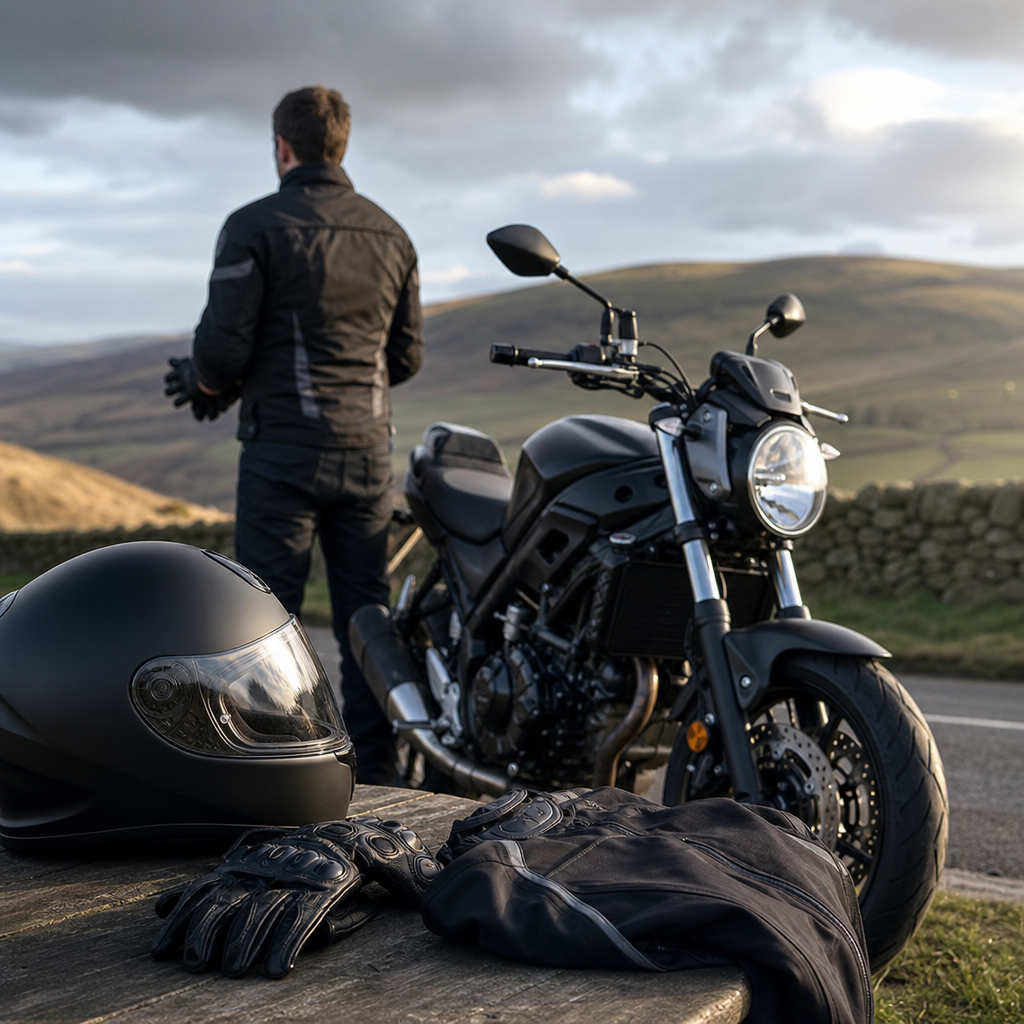
When it comes to motorcycle safety, your gear is your first and often last line of defence. Investing in high-quality, approved protective clothing is non-negotiable, not just for legal compliance but for your own well-being.
- Helmet: This is the most critical piece of equipment. In the UK, it’s a legal requirement to wear an approved safety helmet that complies with British Standard BS 6658:1985 (and carries the Kitemark) or a European standard ECE Regulation 22.05 (or the newer 22.06). A full-face helmet offers the most protection, covering your chin and face, but flip-front and open-face helmets are also available, though they offer less protection to the jawline. Ensure it fits snugly but comfortably, with no pressure points, and that the visor offers clear, undistorted vision.
- Jacket: A motorcycle jacket isn't just for style; it's designed to protect you from abrasion and impact. Look for jackets made from robust materials like leather or high-denier textile, ideally with CE-approved armour in the shoulders and elbows, and preferably a back protector. CE ratings (A, AA, AAA) indicate the level of protection against abrasion and tear resistance, with AAA offering the highest. Many modern jackets also feature waterproofing and thermal liners, crucial for unpredictable UK weather.
- Gloves: Your hands are vulnerable. Proper motorcycle gloves protect against abrasion, impacts, and the elements. Look for models with knuckle protection, palm sliders, and a gauntlet that extends over your jacket cuff to prevent skin exposure in a slide. They should offer a good grip and dexterity for operating controls.
- Trousers: Standard jeans offer virtually no protection in a slide. Invest in dedicated motorcycle trousers, available in leather, textile, or reinforced denim. Like jackets, they should feature CE-approved armour at the knees and hips. Leather offers excellent abrasion resistance, while textile options often provide better waterproofing and ventilation. Ensure they fit well and don’t ride up above your boots.
- Boots: Your feet and ankles are susceptible to crushing injuries and abrasion. Motorcycle boots are designed with ankle protection, reinforced toes, and non-slip soles. They should be sturdy, ideally extending over your ankle bone, and provide good grip on the pegs and when stopped. Waterproofing is a major bonus for UK riding.
Beyond the Basics: Enhancing Visibility and Comfort
While the core gear forms your protective shell, a few additional items can significantly boost your safety and riding experience.
- High-Visibility Clothing: Being seen is half the battle for motorcyclists. Consider a high-vis vest or jacket with reflective elements, especially for riding in low light, rain, or at night. Fluorescent colours (yellow, orange) are excellent during the day, while reflective materials are crucial after dark.
- Earplugs: Wind noise can be fatiguing and damaging to your hearing over long rides. Quality earplugs can significantly reduce noise, allowing you to concentrate better and arrive less tired.
- Layering: The UK climate demands adaptability. Layering your clothing allows you to adjust to temperature changes, from cool mornings to warmer afternoons, or sudden downpours.
- Communication Systems: While optional, Bluetooth intercom systems integrated into your helmet can be invaluable for navigation, taking calls (hands-free), or communicating with a pillion or riding group.
The Pre-Ride Ritual: Mastering the T-CLOCS Check
Before every ride, especially on a newly acquired used motorcycle, performing a quick but thorough 'T-CLOCS' check can prevent breakdowns and significantly enhance your safety. This simple routine will become second nature over time.
- T – Tyres:
- Pressure: Check your tyre pressures with an accurate gauge when cold. Incorrect pressures affect handling, grip, and tyre wear. Refer to your bike's manual or the sticker on the swingarm.
- Tread Depth: The legal minimum tread depth for motorcycles over 50cc is 1mm across at least three-quarters of the width of the tread, with visible tread over the entire circumference. Look for the tread wear indicators (small raised bars in the main grooves).
- Condition: Inspect for cuts, cracks, bulges, embedded objects, or any signs of uneven wear.
- C – Controls:
- Levers & Pedals: Check that your clutch and brake levers, and foot pedals, operate smoothly and return properly. Ensure there's no excessive free play.
- Throttle: Twist the throttle grip to ensure it operates smoothly, without sticking, and snaps back quickly when released. Check for any fraying or damage to the cables.
- L – Lights:
- All Lights: Turn on your ignition and check your headlight (high and low beam), tail light, brake light (front and rear brakes), and indicators (left, right, and hazards).
- Horn: Give a quick toot to ensure it's working.
- O – Oils & Fluids:
- Engine Oil: Check the engine oil level using the dipstick or sight glass, following the manufacturer's instructions (usually when the engine is cold or after a few minutes of settling).
- Brake Fluid: Check the level in the reservoirs (front and rear). The fluid should be clear, not dark and murky, and the level should be between the min and max marks.
- Coolant: If your bike is liquid-cooled, check the coolant level in the reservoir.
- C – Chassis:
- Suspension: Gently bounce the front and rear suspension to check for smooth operation and any leaks from the forks or shock.
- Chain/Belt: For chain-driven bikes, check the tension (refer to your manual for the correct slack), lubrication, and condition of the sprockets. For belt-driven bikes, inspect the belt for cracks or fraying.
- Frame & Fasteners: Quickly visually inspect the frame for any visible damage and check that key fasteners (e.g., axle nuts) appear secure.
- S – Stands:
- Side Stand & Centre Stand: Ensure both stands operate correctly and retract fully and securely. Never ride with a partially deployed stand.
Riding Smarter: Awareness and UK Road Conditions
Beyond your gear and bike's condition, your mindset and awareness are critical. Riding in the UK presents unique challenges that require constant vigilance.
- Defensive Riding: Assume other road users haven't seen you. Position yourself to be visible, especially at junctions and when filtering. Constantly scan the road ahead for potential hazards, not just the car directly in front. Anticipate actions from drivers – a car approaching a junction might pull out, or one parked might open a door.
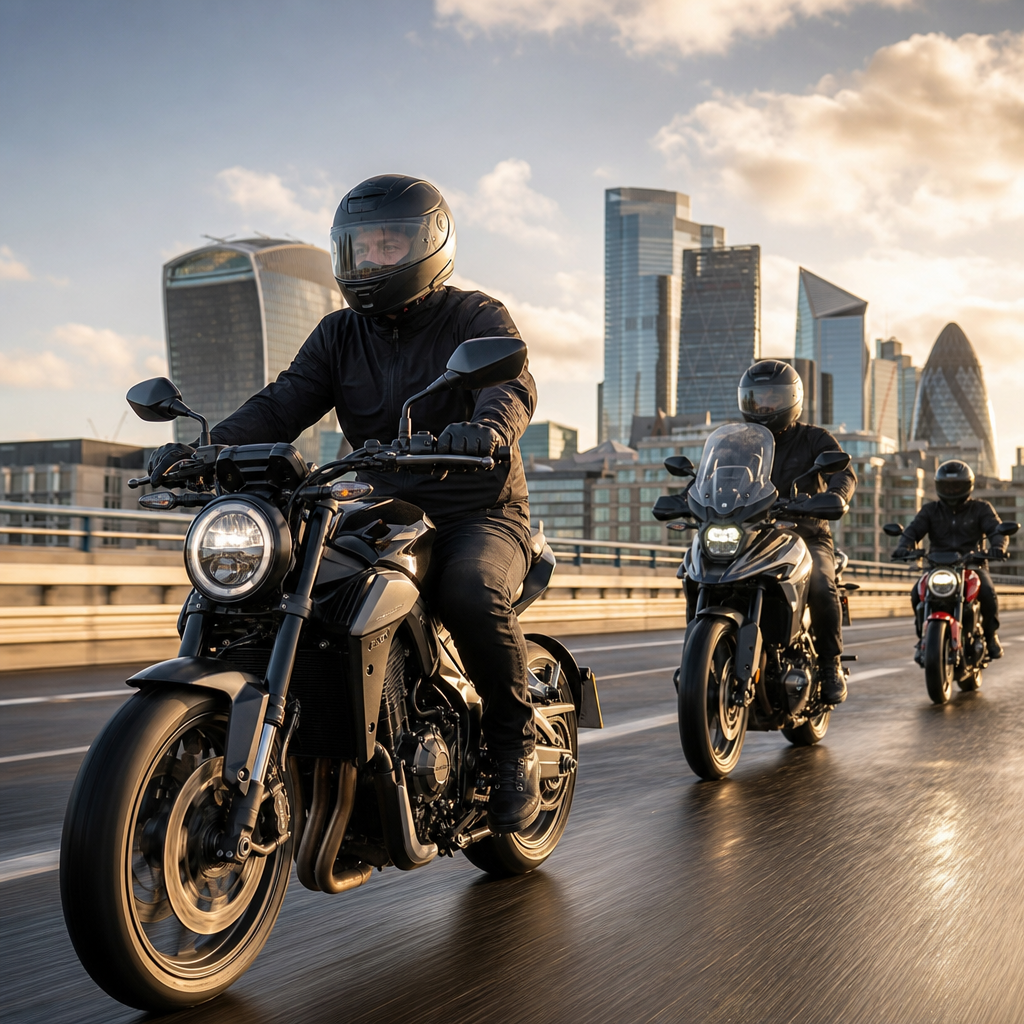
- UK Weather Conditions: Be prepared for anything. Rain reduces grip significantly, makes road markings treacherous, and creates spray that can reduce visibility for both you and others. Strong winds can buffet your bike, especially on motorways or exposed bridges, requiring extra vigilance and a relaxed grip. Low sun can cause glare, blinding you or other drivers.
- Road Hazards: UK roads are notorious for their imperfections. Keep an eye out for potholes, loose gravel, diesel spills (especially around roundabouts and lorry parks), drain covers, and painted road markings, all of which can drastically reduce grip, particularly when wet.
- Route Planning: Before setting off, especially for longer journeys or in unfamiliar areas, plan your route. Check for potential road closures, diversions, and traffic hotspots. Consider checking the weather forecast for your destination. Knowing your route allows you to focus more on riding and less on navigation.
Conclusion
Motorcycling offers an incredible sense of freedom and adventure, and owning a used bike is a fantastic way to experience it. However, that experience is only truly enjoyable when undertaken safely. By consistently investing in the correct protective gear, making the T-CLOCS pre-ride check a routine habit, and adopting a proactive, aware riding style suited to UK conditions, you’ll significantly mitigate risks. So, gear up, check your bike, stay alert, and enjoy the open road with confidence. Happy riding from all of us at CarsLink.ai!