Adventure Awaits: Finding Your Perfect Used Touring Motorcycle on a Budget in the UK
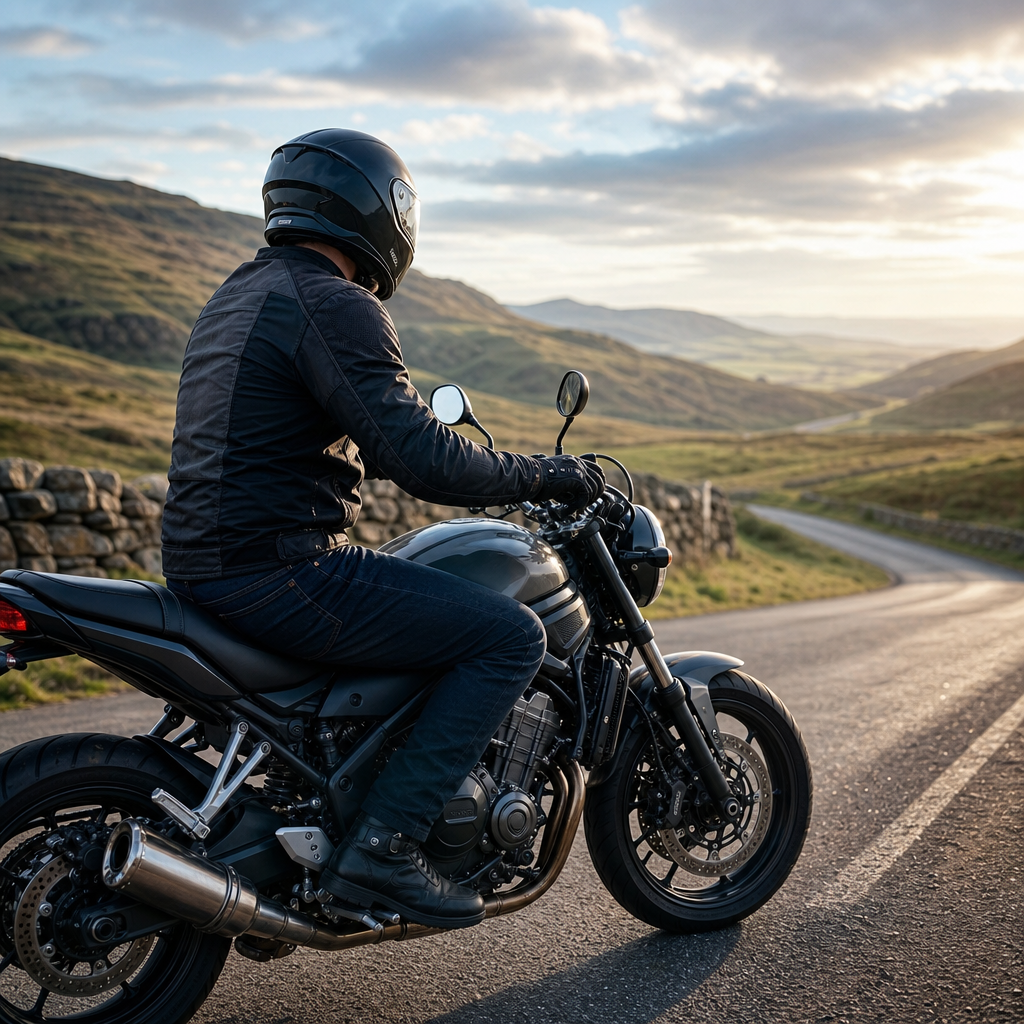
The open road, the wind in your face, the freedom to explore the stunning landscapes of the UK and beyond – it’s a dream for many motorcyclists. While the latest, gleaming adventure bikes and grand tourers command eye-watering prices, the good news is that you don't need to break the bank to embark on your two-wheeled expeditions. The UK used motorcycle market is a treasure trove of capable, comfortable, and reliable touring machines waiting for a new adventure.
At CarsLink.ai, we believe that budget should never be a barrier to passion. This guide will walk you through the essential steps to finding your perfect used touring motorcycle on a budget, covering everything from identifying suitable models to crucial pre-purchase checks and essential touring considerations. So, dust off your helmet, because adventure truly awaits!
Identifying Your Steed: Reliable and Comfortable Models
The first step in your budget touring journey is knowing which models offer the best bang for your buck on the used market. We’re looking for bikes known for their reliability, comfort, and touring prowess, often found at attractive price points once they’ve depreciated a little.
For versatile adventure tourers that can handle everything from motorways to rough B-roads, consider models like the Suzuki V-Strom 650/1000 (often affectionately called the 'Wee-Strom' or 'Vee-Strom'). These bikes are renowned for their bulletproof engines, comfortable ergonomics, and strong aftermarket support. The Honda NC750X is another fantastic option, prized for its frugal fuel economy, low centre of gravity, and clever integrated storage compartment where a fuel tank usually sits. Don't overlook the Kawasaki Versys 650/1000, which offers a sporty edge combined with touring comfort.
If your adventures are more tarmac-focused, traditional tourers provide unparalleled comfort. Older Yamaha FJR1300s or Honda Pan-Europeans (ST1100/ST1300) might carry higher mileage, but their powerful engines, shaft drive, and superb weather protection make them motorway munchers of the highest order. They might be heavier, but they’re built to last.
For those who prefer a sportier ride without sacrificing touring capability, sport tourers like the Triumph Sprint GT or older BMW R1150RT/R1200RT models offer a great blend of performance and comfort. BMWs, in particular, often come well-equipped with heated grips and cruise control as standard. Regardless of your choice, prioritise bikes with a strong community following, as this often means readily available parts and a wealth of shared knowledge.
Prioritising Key Touring Features
When sifting through used listings, it's easy to get distracted by shiny paintwork or engine size. However, for touring on a budget, focusing on practical features will ensure your chosen bike genuinely meets your needs.
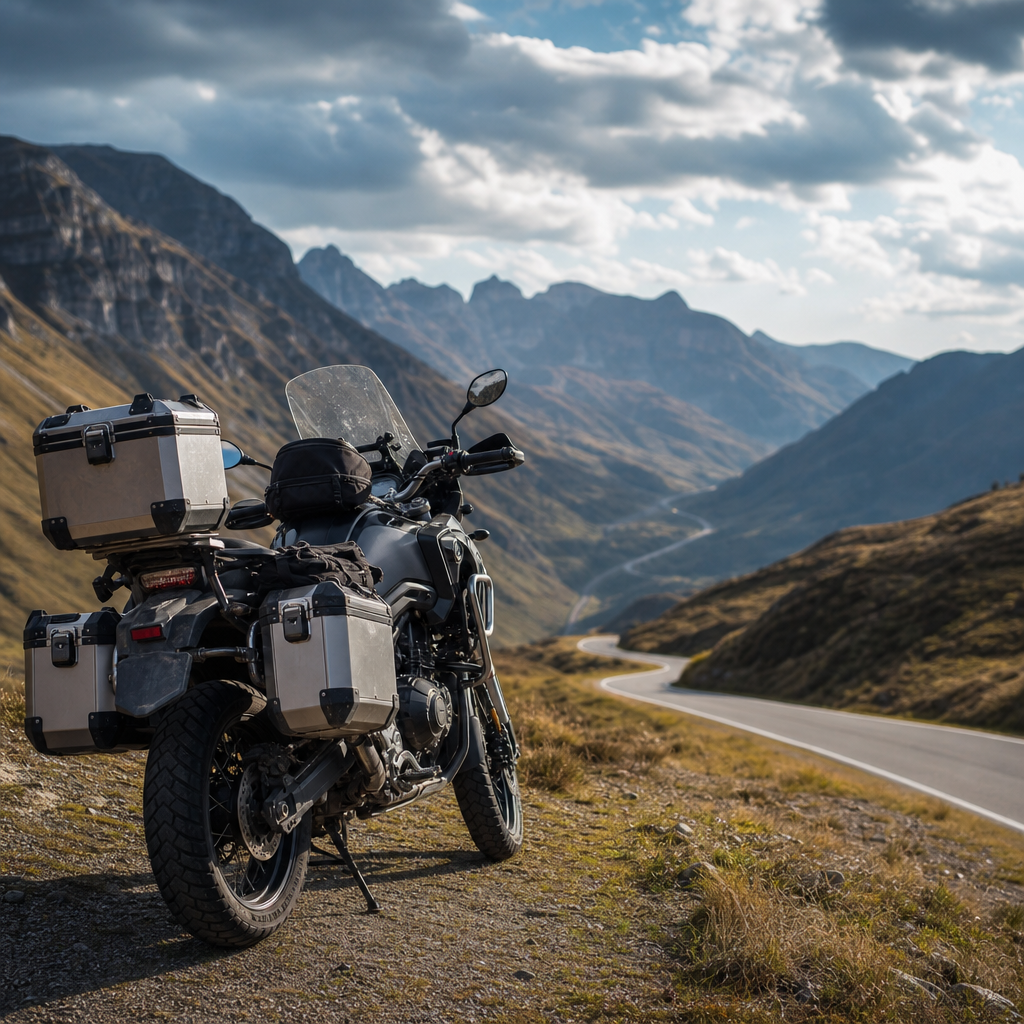
Luggage capacity is paramount. Integrated hard panniers and a top box are a significant bonus, often saving you hundreds of pounds compared to buying new. If they're not present, check for existing luggage racks or mounting points, which simplify aftermarket additions. Soft luggage is an option, but hard luggage offers better security and weather protection for extended trips.
Ergonomic comfort cannot be overstated. An upright riding position reduces fatigue on long journeys. Pay attention to the seat – is it wide and well-padded? Aftermarket comfort seats can be a worthy upgrade if the standard one is lacking. An adjustable screen is highly desirable for tailoring wind protection, and features like heated grips, while a luxury, are invaluable for UK touring in cooler months. If you plan to carry a pillion, ensure their seat and grab rails are also comfortable.
Finally, long-distance fuel efficiency and tank range are crucial. A smaller engine (like a 650cc twin) might be more frugal than a larger capacity triple or four-cylinder, saving you money at the petrol pump and extending the distance between fill-ups. A large fuel tank capacity is also key; aim for at least 200 miles per tank for genuine touring convenience. Consider the final drive: while chain drives are common and easy to maintain, a shaft drive or belt drive offers virtually maintenance-free touring, a huge plus for high-mileage riders.
Budget-Friendly Modifications and Essential Accessories
Once you've secured your budget tourer, a few smart modifications and essential accessories can transform it into a truly capable long-distance machine without emptying your wallet.
Wind protection is top of the list. An aftermarket touring screen from brands like Puig, Givi, or MRA can drastically reduce buffeting and rider fatigue, making a huge difference to comfort on motorways. Look for taller or wider options, or those with adjustable spoilers.
Next, invest in crash protection. Frame sliders or, even better, engine/crash bars are a sensible precaution. They protect expensive fairings, engine cases, and sometimes even your legs in the event of a drop, which can save you a fortune in repair costs. For adventure bikes, they’re essential.
For comfort upgrades, consider seat modifications. Many local upholsterers can add gel inserts or reshape a standard seat for improved comfort, often for less than a new aftermarket seat. Bar risers can alter your riding posture for the better, and wider footpegs can reduce vibration and improve grip.
On the electrical front, adding auxiliary power sockets (USB and 12V) is cheap and essential for charging phones, sat-navs, or running heated clothing. If your bike doesn't have heated grips, an aftermarket set can be fitted relatively easily and cheaply, transforming cold weather riding. Finally, upgrading to LED headlight bulbs can significantly improve night-time visibility while drawing less power from your electrical system. Auxiliary fog lights are also a great safety addition for adverse weather conditions.
Pre-Purchase Checks for Higher-Mileage Touring Bikes
Buying a used touring bike, especially one that's covered many miles, requires a thorough inspection. These machines have been designed for endurance, but certain components will naturally show more wear.
Pay particular attention to the suspension. Tourers carry more weight and cover more ground, so check the fork seals for any signs of leakage (a greasy residue on the fork legs) and test the front and rear suspension for rebound and compression dampening. Does it feel 'springy' or 'spongy'? Listen for any clunking noises. The rear shock absorber, in particular, can be expensive to replace or rebuild, so ensure it’s in good working order.
Next, inspect all bearings. Lift the front wheel and rock it side-to-side and up-and-down to check for play in the wheel bearings. With the front wheel off the ground, turn the handlebars slowly from lock to lock – any notching or stiffness indicates worn headstock bearings. Finally, rock the rear wheel side-to-side to check for play in the swingarm bearings. These are critical for handling and safety.
Thoroughly check the electrical systems. Tourers often have more accessories, so ensure all lights, indicators, the horn, and dashboard displays function correctly. Look for any poorly installed aftermarket wiring that might indicate future electrical gremlins. Check the battery's health and ask about its age. It’s also wise to check the brake fluid level and condition, as well as the thickness of brake pads and the condition of the discs – heavy bikes can wear these components faster.
Finally, and perhaps most importantly, scrutinise the service history. A comprehensive service record is gold. Look for evidence of regular oil changes, valve clearance checks (especially on engines with service intervals for this), and major services being completed. High mileage is less of a concern if the bike has been diligently maintained.
Insurance and Breakdown Cover: Your Touring Safety Net
Once you’ve found your perfect touring companion, don't overlook the crucial safety nets of insurance and breakdown cover. These are essential for peace of mind, both in the UK and when venturing further afield.
When it comes to insurance, always compare quotes from specialist motorcycle insurers like Carole Nash, Devitt, and MCE. Be scrupulously honest about any modifications you’ve made, even seemingly minor ones like heated grips or an aftermarket screen, as undeclared modifications can invalidate your policy. For touring, particularly with expensive luggage, comprehensive cover is highly recommended.
Planning a trip to Europe? Ensure your policy includes adequate European cover. Many UK policies offer basic third-party cover for a limited duration (e.g., 30 or 90 days) as standard, but always check the terms and conditions. You may need to pay extra for comprehensive cover abroad. Familiarise yourself with Green Card requirements, though these are often included with your policy documentation post-Brexit for evidence of insurance.
Breakdown cover is an absolute must for touring. Consider specialist motorcycle breakdown services or comprehensive packages from providers like the AA, RAC, or Green Flag. For European tours, invest in robust European breakdown cover. This is where you don't want to skimp. Look for policies that offer repatriation of both you and your motorcycle back to the UK if it can't be repaired at the roadside or a local garage. Services like ADAC or Britannia Rescue offer tailored European options. Also, remember to take out personal travel insurance for medical emergencies when touring abroad.
Conclusion
The dream of motorcycle touring is more accessible than ever, even on a tight budget. By carefully selecting a reliable used model, prioritising practical touring features, making smart, cost-effective upgrades, and conducting thorough pre-purchase checks, you can find a capable companion for countless adventures. With the right insurance and breakdown cover in place, you’re free to explore the stunning vistas of the UK and beyond with confidence. So, start browsing those listings on CarsLink.ai – your next great adventure is waiting just around the corner!