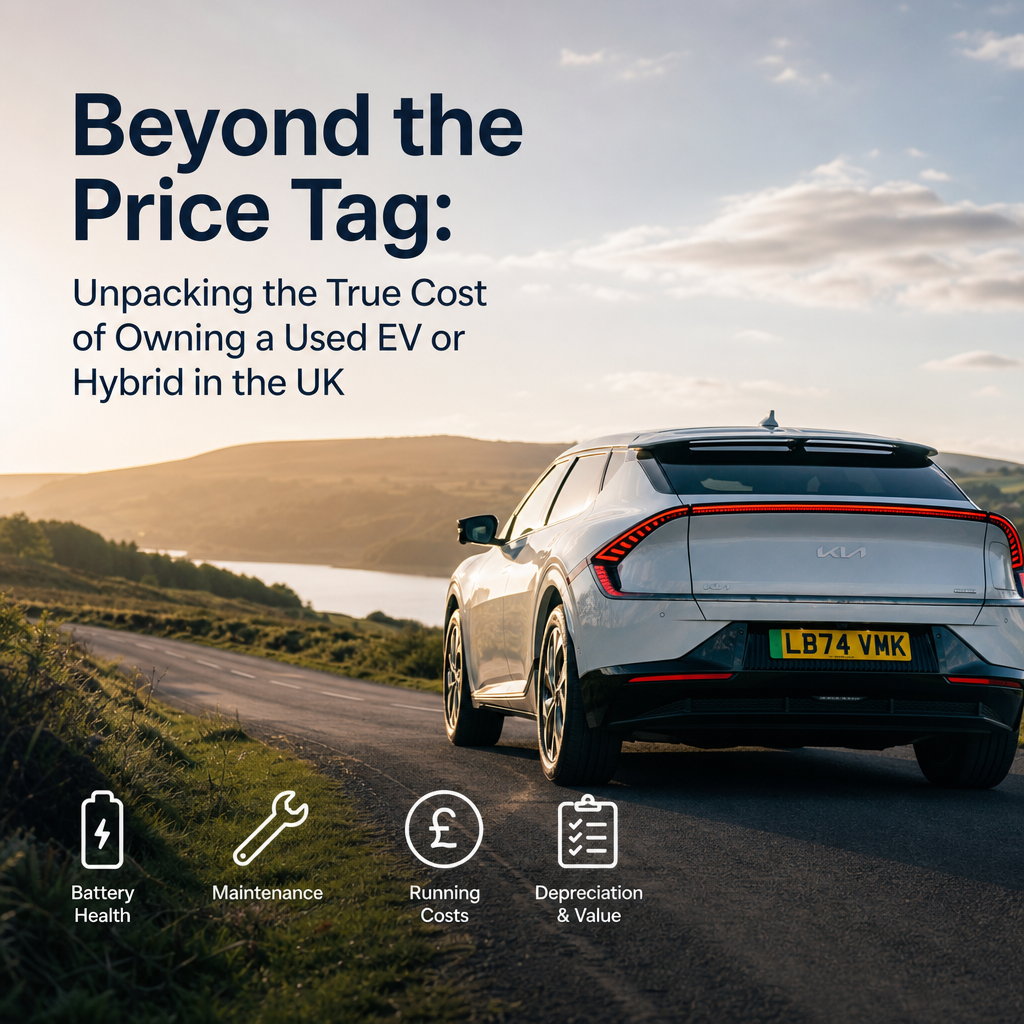
Beyond the Price Tag: Unpacking the True Cost of Owning a Used EV or Hybrid in the UK
The allure of a used electric vehicle (EV) or hybrid is stronger than ever. With fuel prices often volatile and environmental concerns growing, many UK drivers are eyeing the second-hand market for a greener, potentially cheaper, ride. Prices for popular models like the Nissan Leaf, Renault Zoe, and various Toyota hybrids have become increasingly accessible, making the dream of lower running costs a tangible reality for many.
However, the purchase price is just one piece of the puzzle. To truly understand the financial commitment, it's crucial to look "beyond the price tag" and unpack the real, long-term costs of owning a used EV or hybrid in the UK. From energy bills to maintenance quirks and insurance premiums, there’s a distinct financial landscape to navigate. Let's dive in.
Comparing Running Costs: Powering Your Eco-Ride
One of the primary motivations for switching to an EV or hybrid is the promise of cheaper running costs. For an EV, this largely boils down to the cost of electricity versus petrol or diesel.
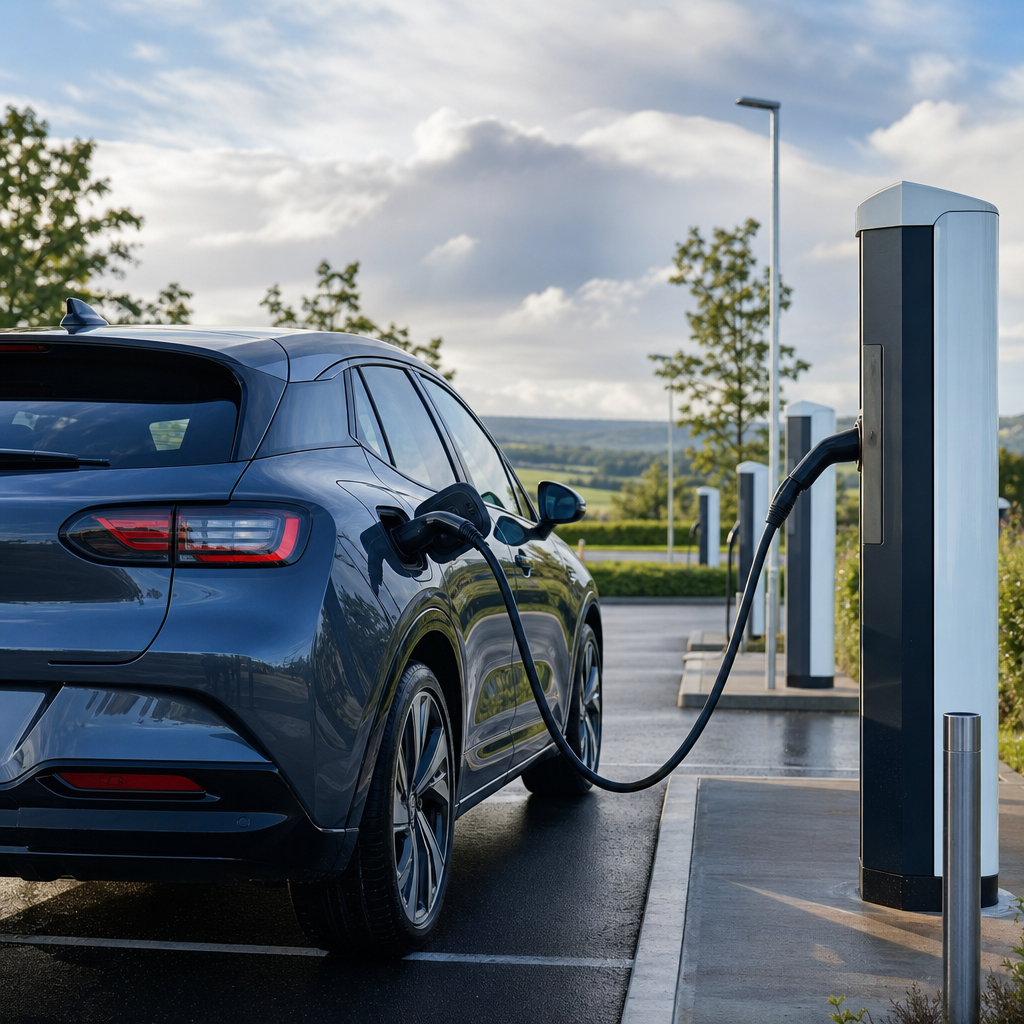
Electric Vehicles: Charging at home, especially overnight on a dedicated EV tariff (e.g., Octopus Go, EDF GoElectric), is overwhelmingly the cheapest option. You might pay as little as 7.5p to 10p per kWh during off-peak hours. Charging a typical 60kWh EV battery from empty to full at this rate could cost just £4.50 to £6, delivering a real-world range of 200-250 miles. Compare that to a petrol car doing 45mpg, which would need around 20-25 litres for the same distance – costing £30-£37.50 at petrol prices of £1.50/litre. The savings are substantial.
However, public rapid charging is significantly more expensive, often ranging from 45p to 75p per kWh, sometimes even more. Relying heavily on public chargers can quickly erode your savings, pushing costs closer to, or even exceeding, those of a frugal petrol car. Therefore, a key consideration for a used EV owner is access to home charging.
Hybrid Vehicles: Hybrids, whether self-charging (like most Toyota models) or plug-in hybrids (PHEVs), present a different picture. Self-charging hybrids still rely on petrol, but their electric motor and battery assist system improve fuel economy significantly, particularly in urban stop-start traffic. A used Toyota Yaris Hybrid, for example, can easily achieve 60-70mpg in town, outperforming most conventional petrol superminis.
PHEVs offer the best of both worlds, provided you charge them regularly. With a typical electric range of 25-40 miles (e.g., in a used Mitsubishi Outlander PHEV or Kia Niro PHEV), daily commutes can often be completed purely on electric power, drawing cheap electricity from home. Once the battery is depleted, they revert to operating as a conventional hybrid. Neglecting to charge a PHEV, however, means you're simply lugging around a heavy battery and motor, resulting in worse fuel economy than a standard petrol equivalent.
Maintenance and Repairs: A Different Kind of TLC
The mechanical simplicity of an EV is often touted as a major advantage, potentially leading to lower maintenance costs. And in many respects, this holds true.
Electric Vehicles: EVs have far fewer moving parts than internal combustion engine (ICE) vehicles. There's no oil to change, no spark plugs, no fuel filters, no exhaust system, and no complex gearbox. This translates to simpler routine servicing, which often involves checks of the brakes, tyres, suspension, and the high-voltage (HV) battery system. Brake wear is also significantly reduced thanks to regenerative braking, where the electric motor slows the car down and tops up the battery, meaning brake pads and discs can last much longer.
However, when things do go wrong, they can be more complex and costly. EVs require specialist diagnostic equipment and technicians trained to work safely with high-voltage systems. If a specific component of the electric drivetrain or battery cooling system needs attention, parts can be expensive, and labour rates might be higher at specialist garages or main dealers. While battery replacement is exceedingly rare – modern EV batteries are designed to last the lifetime of the car – it remains a potential, albeit tiny, concern for older used models. Crucially, always check the battery health report or any remaining warranty on the HV battery when buying a used EV.
Hybrid Vehicles: Hybrids combine the complexity of both ICE and EV technology. They have a petrol engine with all its associated maintenance (oil changes, spark plugs etc.), plus an electric motor, battery, and sophisticated control systems. This could mean more potential points of failure, but generally, models from reputable manufacturers (like Toyota) are known for their exceptional reliability. Specialist knowledge is still required for the hybrid system, but the core engine components are familiar to most mechanics. As with EVs, regenerative braking does help extend brake life.
Insurance Implications: A Premium on Green?
Insurance can be a significant cost, and for used EVs and hybrids, premiums can sometimes surprise prospective owners.
Why Higher? Several factors contribute to potentially higher insurance premiums for electric and hybrid vehicles:
- Higher Purchase Price (Historically): Even used EVs and hybrids often retain a higher residual value compared to similarly sized ICE vehicles. This means that if the car is written off, the insurer faces a larger payout.
- Specialist Parts and Repair Networks: As mentioned, repairing an EV or a complex hybrid system requires specific expertise and often specialist parts, which can be more expensive and less widely available than for conventional cars. Damage to the battery pack, for instance, can lead to a very costly repair or a write-off.
- Performance: Many EVs, even more affordable used models, offer instant torque and brisk acceleration, which some insurers might perceive as a higher risk.
- Theft Risk: As these vehicles become more desirable, they can also become targets for theft, driving up premiums.
Finding the Best Deal: It's not all bad news, though. As the market matures and more garages gain EV repair capabilities, prices are stabilising. Some insurers are also starting to offer specific discounts for eco-friendly vehicles. The key is to shop around extensively. Use comparison websites, but also get quotes directly from specialist insurers who might have a better understanding of EV and hybrid risks. Be prepared to compare quotes for specific models – a used Nissan Leaf might have different insurance costs than a similar-age BMW i3, for example.
Vehicle Excise Duty (VED) and Clean Air Zone Charges
This is one area where EVs and many hybrids truly shine in terms of cost savings, at least for now.
Vehicle Excise Duty (VED): Currently, pure battery electric vehicles (BEVs) are exempt from Vehicle Excise Duty (road tax) in the UK. This means £0 VED, saving you hundreds of pounds annually compared to most petrol or diesel cars. This exemption is set to change from April 2025, when EVs will begin paying VED, initially at the lowest rate for new vehicles (£10 for the first year, then £165 annually), aligning them more closely with conventional cars. However, until then, it’s a significant saving.
Hybrid vehicles are treated differently. Self-charging and plug-in hybrids registered after April 2017 typically pay VED based on their CO2 emissions. Many popular models with low emissions (e.g., Toyota C-HR Hybrid, Kia Niro Hybrid) fall into lower VED bands, often paying around £165 per year, which is still competitive. Older hybrids registered before April 2017 often fall into even lower VED bands, sometimes as little as £0-£30 depending on their specific emissions.
Clean Air Zones (CAZ), ULEZ, and LEZ: This is perhaps one of the biggest financial benefits for used EV and hybrid owners, particularly for those who live or commute into urban areas. Pure electric vehicles are fully exempt from all Clean Air Zone (CAZ) charges across the UK, including London’s Ultra Low Emission Zone (ULEZ) and Low Emission Zone (LEZ), as well as the Congestion Charge. This can save drivers hundreds, if not thousands, of pounds per year if they regularly enter these zones.
Most modern plug-in hybrids (PHEVs) and many self-charging hybrids that meet Euro 6 emissions standards (for petrol) are also exempt from CAZ, ULEZ, and LEZ charges. It's always wise to double-check a specific vehicle's compliance using the government's vehicle checker tool, but generally, owning a compliant EV or hybrid offers substantial immunity from these increasingly common urban charges.
The Road Ahead: Informed Decisions
Owning a used EV or hybrid in the UK clearly offers a compelling proposition, particularly when it comes to day-to-day running costs and avoiding urban emission charges. However, it’s far from a one-size-fits-all solution. The "true cost" extends beyond the initial purchase price and requires a holistic view of energy prices, specialist maintenance considerations, evolving insurance landscapes, and the changing tides of government taxation.
Before you make the leap, consider your driving habits, access to charging, local clean air zone requirements, and research specific model reliability and common repair costs. By understanding these various factors, you can make an informed decision and truly unlock the long-term financial benefits of your greener second-hand vehicle. Happy motoring!