The Eco-Commuter's Choice: Are Used Plug-in Hybrids Right for UK City Driving?
Navigating the bustling streets of UK cities today presents a unique set of challenges for drivers. Spiralling fuel costs, the expansion of Ultra Low Emission Zones (ULEZ) and Clean Air Zones (CAZ), and a growing environmental consciousness mean that many are rethinking their automotive choices. While pure electric vehicles (EVs) are often championed as the ultimate solution, they come with their own considerations, particularly for those not ready to fully commit to an all-electric lifestyle.
Enter the plug-in hybrid electric vehicle (PHEV). Sitting in the sweet spot between traditional petrol cars and fully electric models, PHEVs offer a blend of electric-only driving for shorter trips and a conventional engine for longer journeys. But with a burgeoning used car market, the question arises: are used PHEVs a smart, practical, and cost-effective choice for UK city drivers? Let's delve into what makes them tick and whether they could be your next eco-commuting companion.
Understanding the PHEV Appeal: The Best of Both Worlds?
At its core, a PHEV combines a conventional internal combustion engine (ICE) with an electric motor and a larger battery pack than a standard hybrid. This battery can be charged externally by plugging into a power source – hence "plug-in."
The primary appeal for city drivers lies in the electric range. Most used PHEVs offer an electric-only range of between 20 and 50 miles, with some newer models pushing towards 70 miles. For the average UK city commute, which is often well within this boundary, this means you could complete your daily drive entirely on electric power. Imagine driving to work and back, school runs, or popping to the shops without using a drop of petrol, significantly reducing your local emissions and your running costs.
However, the real differentiator from a pure EV is the petrol backup. This eliminates "range anxiety" – the fear of running out of charge before reaching your destination or a charger. Planning a weekend trip to the coast, or an unexpected longer journey? The petrol engine seamlessly takes over once the battery is depleted, or when more power is needed, ensuring you can go as far as you need without stopping to charge. This dual-power setup provides unparalleled flexibility, making PHEVs a robust solution for diverse driving needs, not just city limits.
Running Costs: A UK Perspective on PHEVs vs. EVs vs. Petrol Cars
When considering a used car, running costs are paramount. Here's how PHEVs stack up in the UK context:
Fuel (Electricity & Petrol):
- Electricity: Charging at home, especially overnight on a cheaper off-peak tariff (e.g., 7-10p per kWh), makes electric miles incredibly economical. Even on standard tariffs (e.g., 25-30p per kWh), electricity is generally cheaper per mile than petrol. A full charge for a 30-mile range PHEV might cost around £2-£3 at home.
- Petrol: If you don't charge regularly, or embark on longer trips, you'll still be relying on petrol. However, even when running as a hybrid, PHEVs are generally more fuel-efficient than comparable pure petrol cars due to the electric motor assisting the engine and regenerative braking recovering energy.
- Comparison: Pure EVs have the lowest "fuel" costs if home charging is available. PHEVs offer excellent savings if their electric range covers most daily driving. Pure petrol cars, particularly with current UK fuel prices averaging over £1.50 per litre, incur the highest fuel costs.
Vehicle Excise Duty (VED / Road Tax): Many used PHEVs, particularly those registered before April 2017, benefit from lower CO2 emissions, often resulting in very low or even zero VED. For cars registered after April 2017, while a standard rate applies, those with a list price over £40,000 when new might still qualify for a reduced VED of £10 for the first five years, thanks to their low emissions. This can be a tangible saving compared to many petrol counterparts.
ULEZ/CAZ Charges: This is where PHEVs truly shine for city commuters. Most PHEVs meet the stringent Euro 6 emissions standards, meaning they are exempt from daily charges in London's ULEZ, Birmingham's CAZ, Bristol's CAZ, and other expanding zones across the UK. For regular commuters into these areas, this can translate to annual savings of hundreds, if not thousands, of pounds – a significant factor that often justifies the slightly higher initial purchase price over a non-compliant petrol or diesel.
Maintenance: Generally, PHEVs have similar maintenance schedules to petrol cars, but with the added complexity of an electric system. However, regenerative braking can lead to less wear on brake pads and discs. Battery degradation is a common concern for used buyers, but modern PHEV batteries are designed for longevity, and significant degradation is rare within typical ownership periods. Always check the service history and any remaining manufacturer's battery warranty.
Charging Habits and Infrastructure: Adapting to PHEV Life
Owning a PHEV requires a slight shift in mindset from traditional refuelling. The key to maximising its benefits is to "plug in whenever possible."
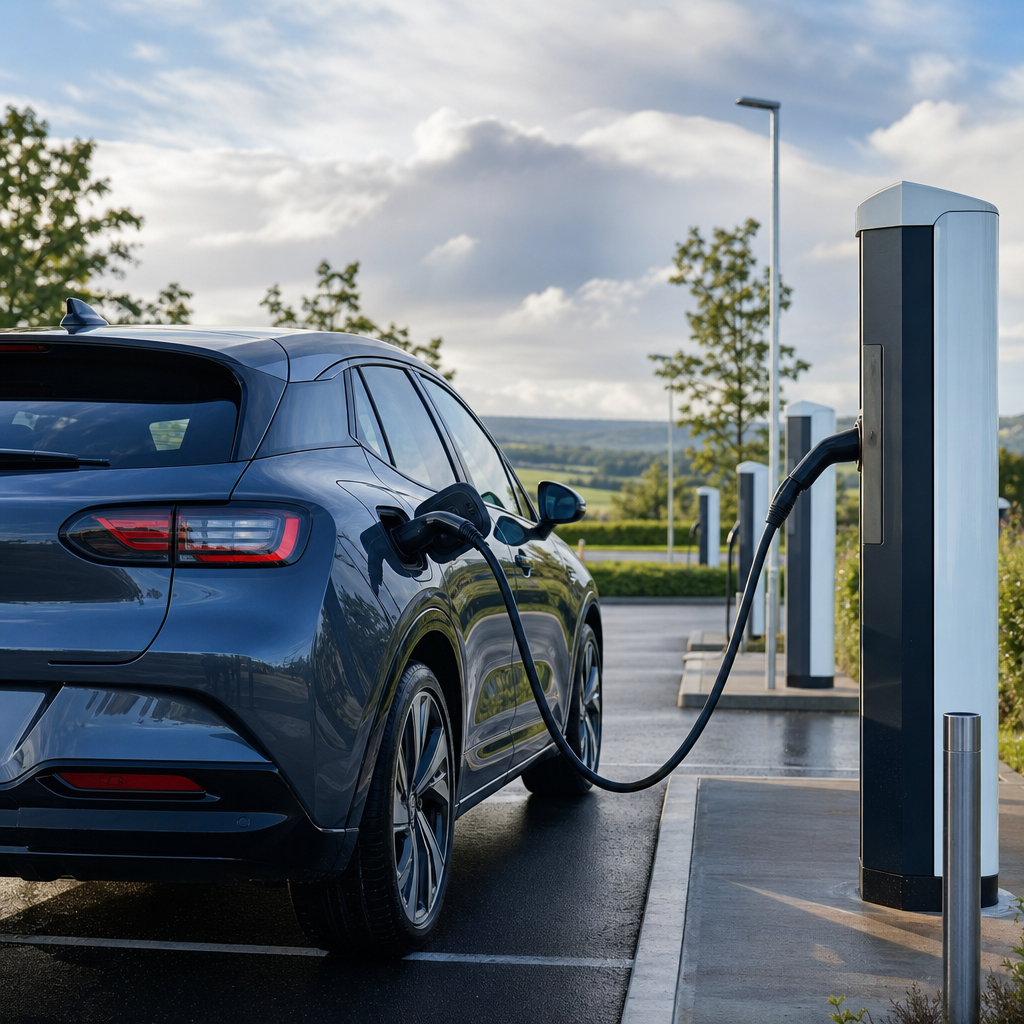
Home Charging: This is the most crucial aspect for PHEV owners. A dedicated home wallbox (typically 7kW) can fully charge most PHEV batteries in 2-4 hours. However, due to their smaller battery sizes compared to EVs, many PHEVs can also be sufficiently charged overnight using a standard 3-pin domestic socket, albeit at a slower rate (around 6-8 hours for a full charge). The convenience and cost-effectiveness of home charging are unmatched.
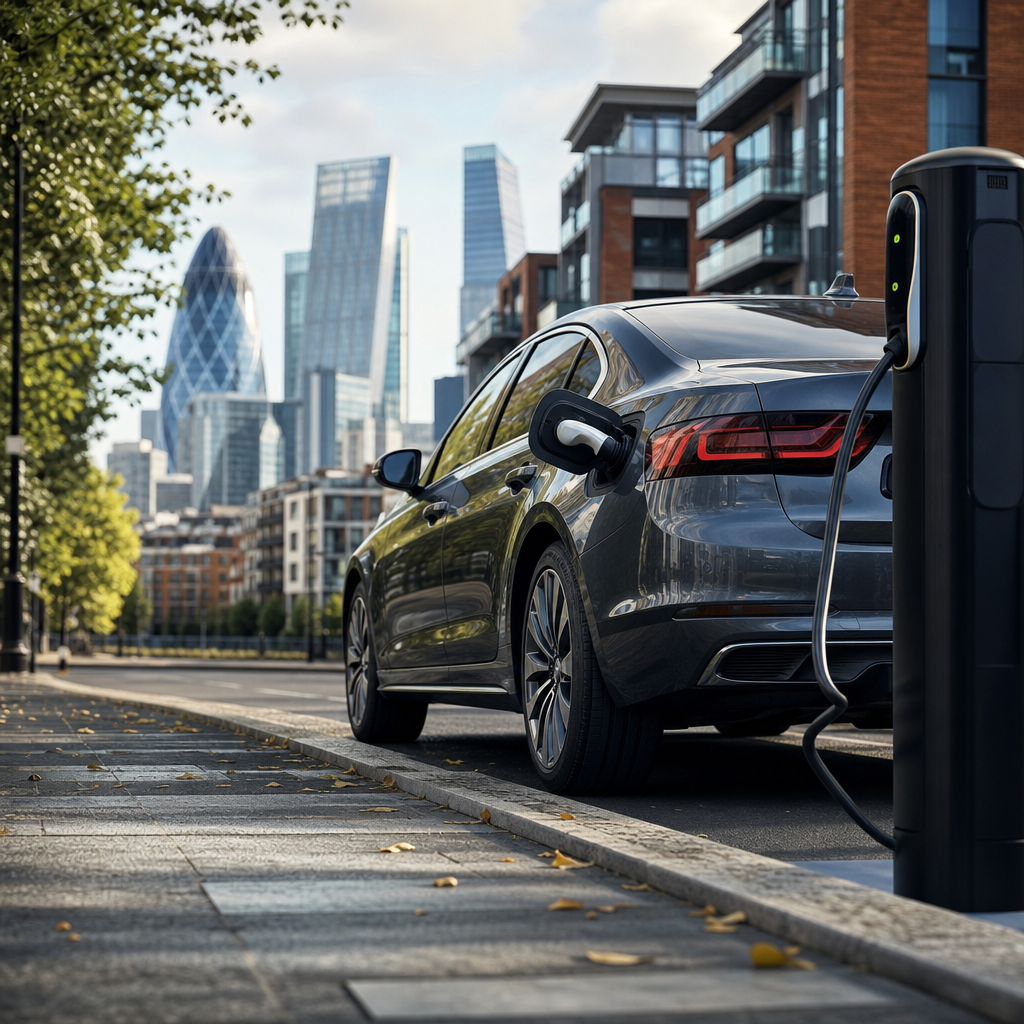
Public Charging: While less critical than for a pure EV (thanks to the petrol backup), public chargers can still be beneficial. Most PHEVs utilise Type 2 AC connectors and do not support rapid DC charging. This means topping up at a public charger might take a couple of hours, but it can be useful for extending your electric range while at the supermarket or gym. The petrol engine ensures you're never stranded if a public charger is occupied or out of order.
Workplace Charging: If your workplace offers charging facilities, it's a huge bonus. Plugging in during working hours can effectively double your daily electric range without any additional effort or cost (if charging is free).
Ultimately, adapting to PHEV life means making charging a regular habit, much like charging your mobile phone. The more you charge, the more you drive on cheaper, cleaner electricity.
Popular Used PHEV Models for UK City Driving
The used market offers a growing selection of PHEVs suitable for urban environments. When considering a used model, look for a good balance of electric range, reliability, and practicality.
- Mitsubishi Outlander PHEV: A segment pioneer, this practical SUV offers a respectable electric range (around 28-30 miles for older models) and is known for its robust reliability and excellent value on the used market. It’s been a popular choice for families and those needing extra space.
- Toyota Prius Plug-in: Building on Toyota's legendary hybrid reliability, the Prius PHEV (around 25-30 miles electric range) is incredibly efficient, sensible, and boasts a supremely comfortable ride – perfect for navigating city bumps.
- Volkswagen Golf GTE / Passat GTE: These models combine familiar VW quality and discreet styling with sporty performance. Offering around 25-35 miles of electric range, they provide a premium feel and engaging drive.
- BMW 330e / 530e / 225xe Active Tourer: For those seeking a more premium experience, BMW's PHEV offerings provide excellent driving dynamics, quality interiors, and typically 20-30 miles of electric range. The 225xe Active Tourer, in particular, offers a more compact, family-friendly option.
- Hyundai IONIQ Plug-in / Kia Niro PHEV: These Korean siblings offer great efficiency, generous standard equipment, and often benefit from long warranties (check remaining warranty on used models). Both provide around 30-35 miles of electric range in practical, attractive packages.
When buying a used PHEV, always check the service history, ensure all charging cables are included, and ideally, have the battery health assessed by a qualified technician or dealer for peace of mind.
Resale Value: What to Expect in the UK Market
The resale value of PHEVs has seen some interesting trends in the UK. After initial rapid depreciation as new technology, values have begun to stabilise. PHEVs currently occupy a unique and valuable position as a "bridge" technology for drivers who aren't quite ready for a pure EV but want to enjoy the benefits of electric driving.
Factors influencing resale value include:
- Battery Health and Electric Range: A well-maintained battery that still delivers close to its original electric range will command a higher price. As newer PHEVs boast longer ranges, older models with lower ranges may face some downward pressure over time.
- Government Policy: Future changes to ULEZ/CAZ schemes, VED, or other green incentives could impact demand and, consequently, resale values. Currently, their ULEZ/CAZ exemption is a strong selling point.
- Market Demand: There's steady demand from drivers seeking a pragmatic blend of efficiency and convenience. As the transition to EVs gathers pace, PHEVs offer a practical stepping stone.
- Competition from EVs: The increasing availability of affordable used pure EVs could, in the long term, put some pressure on PHEV values, especially for those with very limited electric range.
However, for the foreseeable future, PHEVs represent a solid investment for UK city drivers. They offer a tangible solution to immediate concerns like rising fuel costs and urban emission charges, making them an attractive proposition in the used market.
Conclusion: Your Smart City Commute Awaits
For UK city drivers, a used plug-in hybrid electric vehicle makes a compelling case. They offer the substantial benefits of ULEZ/CAZ exemptions, significantly lower running costs for daily commutes when charged diligently, and the complete elimination of range anxiety thanks to their petrol backup. This flexibility is invaluable for varied UK driving habits, from the daily grind to the occasional long-distance journey.
While they require a conscious effort to plug in regularly and won't match the zero-emission credentials of a pure EV, used PHEVs offer a practical, cost-effective, and environmentally friendlier alternative to conventional petrol or diesel cars. For those with access to home charging, they present a pragmatic balance of efficiency, convenience, and affordability, proving that the eco-commuter's choice doesn't have to mean compromise.
Ready to explore your options? Browse the latest used PHEV listings on CarsLink.ai and find your perfect urban companion today.