First EV on a Budget: Top Used Electric Cars for UK Newcomers Under £15k
The transition to electric vehicles (EVs) is picking up pace across the UK, driven by environmental consciousness, the convenience of home charging, and ever-tightening urban emissions regulations. However, for many prospective buyers, the perceived high upfront cost of a brand-new EV remains a significant hurdle. The good news? The burgeoning used EV market offers a fantastic opportunity to embrace electric motoring without breaking the bank.
Here at CarsLink.ai, we understand that finding your first EV can feel like navigating uncharted territory, especially when working with a budget. This guide will walk you through the essentials of buying a used electric car under £15,000 in the UK, highlighting top models and crucial considerations to ensure you make an informed and confident purchase.
Beyond the Sticker Price: Understanding True EV Ownership Costs
While the initial purchase price is a major factor, it’s only one part of the equation when buying a used EV. The real magic of electric motoring often lies in the significantly reduced running costs, which can quickly offset a slightly higher initial outlay compared to an equivalent petrol or diesel car.
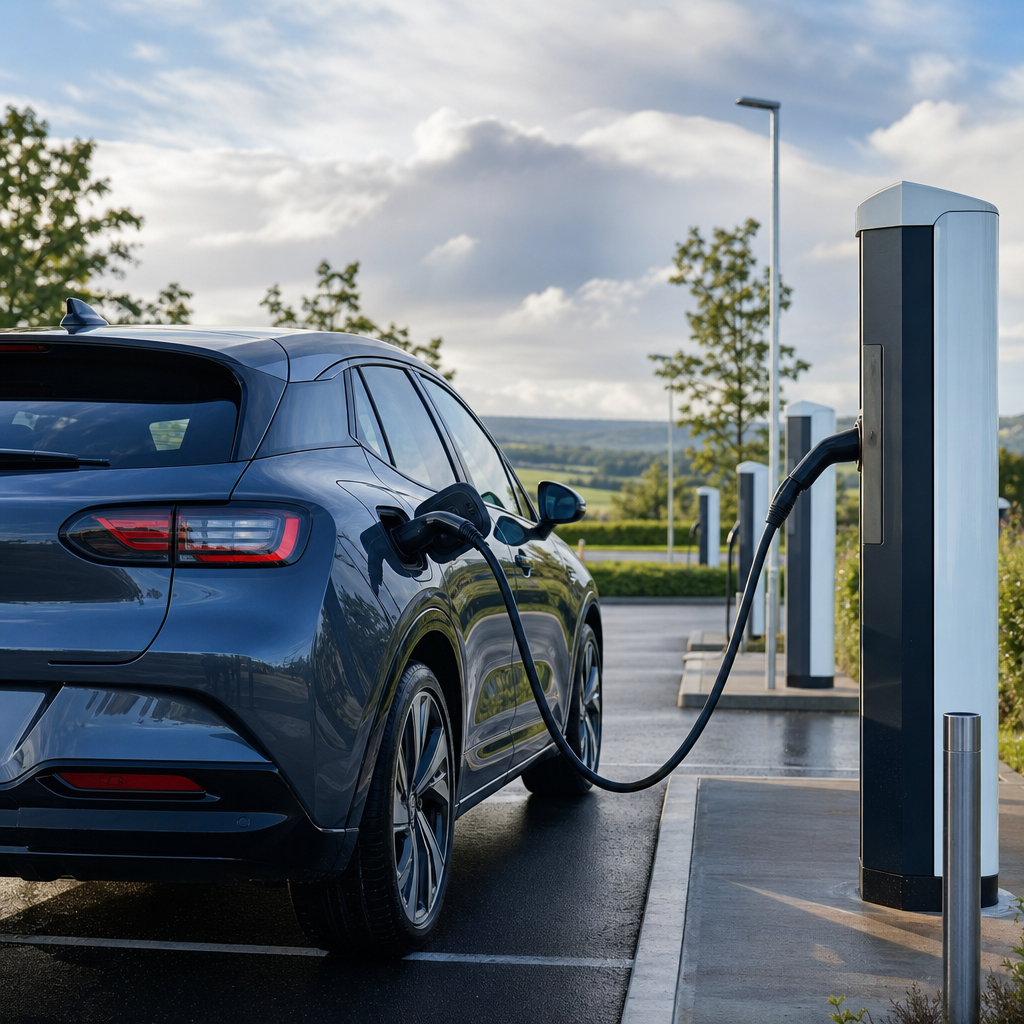
Firstly, "fuel" costs. Electricity is substantially cheaper than petrol or diesel, especially if you can charge at home using an off-peak tariff (e.g., Octopus Go, British Gas EV tariff), where rates can be as low as 7-10p per kWh. Even public rapid charging, while more expensive, typically works out cheaper per mile than traditional fuels. For instance, a Nissan Leaf with a 24kWh battery might cost around £2-£3 to fully charge at home on an off-peak tariff, delivering well over 80 miles of range.
Maintenance is another area of significant savings. EVs have far fewer moving parts than internal combustion engine (ICE) cars. There’s no engine oil to change, no spark plugs, no cambelts, and fewer filters. Braking systems also last longer due to regenerative braking, which uses the electric motor to slow the car and recover energy, reducing wear on traditional brake pads. While tyres might wear slightly differently due to the instant torque delivery, overall servicing costs are generally lower.
Furthermore, many older EVs benefit from zero Vehicle Excise Duty (VED), commonly known as road tax, a saving of hundreds of pounds annually. Urban drivers will also appreciate exemption from charges like the London Ultra Low Emission Zone (ULEZ) and various Clean Air Zones (CAZ) popping up in cities across the UK, which can amount to significant daily savings. Finally, consider the optional but highly recommended installation of a home wall charger, typically costing £500-£1,000 (though grants may sometimes be available), which offers unparalleled convenience and cost efficiency for daily charging.
Key Contenders Under £15k: Your First Electric Steed
The £15,000 budget opens up a surprising number of viable used EV options. While you won't be getting the latest models, these proven vehicles offer excellent value and practical electric motoring.
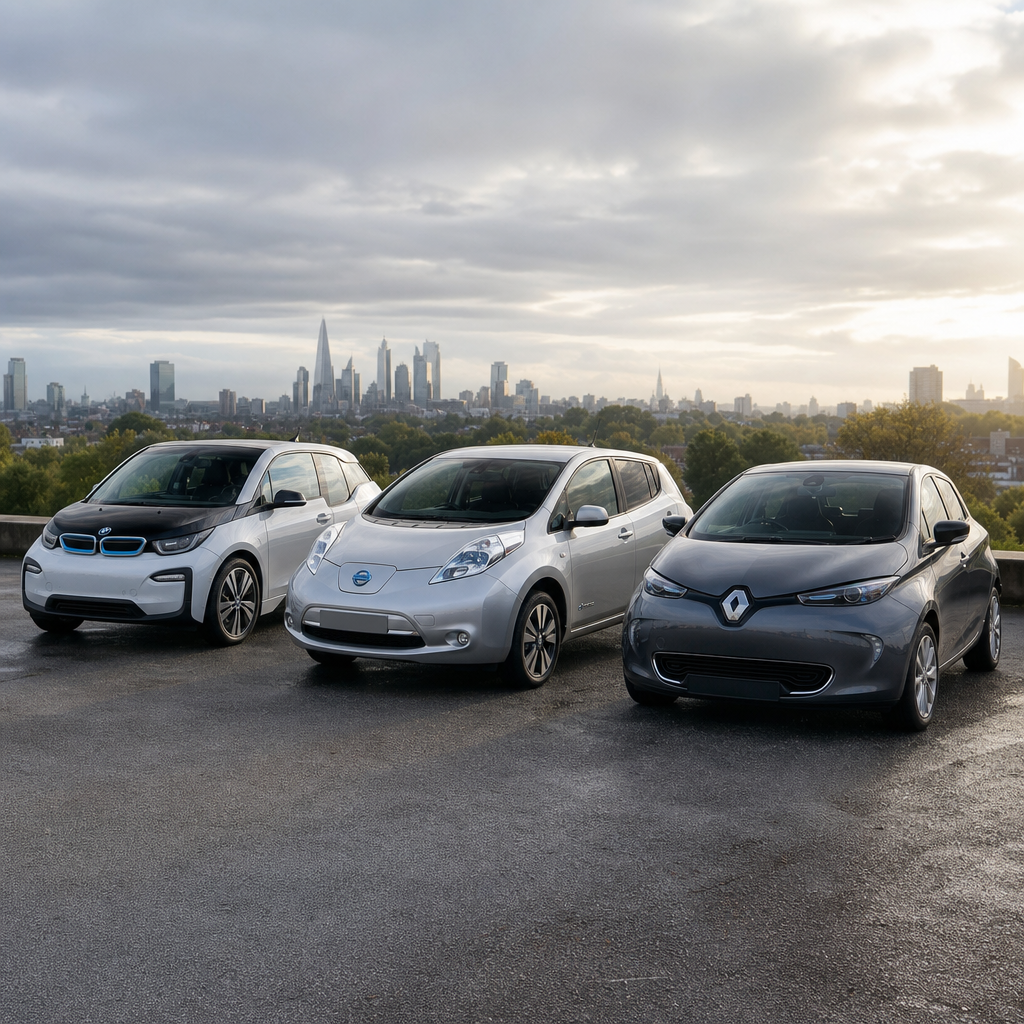
Nissan Leaf (Mk1 & Early Mk2): Arguably the most common used EV in the UK, the Nissan Leaf is a fantastic all-rounder. Early Mk1 models (2011-2017) with 24kWh or 30kWh batteries are readily available under £10k, with 40kWh Mk2 models (2018 onwards) starting to creep into the upper end of our budget.
- Pros: Spacious, practical hatchback design, very reliable, comfortable, and simple to operate. The 30kWh battery versions offer a useful range bump over the original 24kWh. Mk2 40kWh models are even better, approaching 100-120 miles in real-world driving.
- Cons: Uses the CHAdeMO rapid charging standard, which is becoming less common than CCS on newer EVs, though still widely available at many rapid charge points. The battery lacks active thermal management, meaning frequent rapid charging, especially in hot weather, can accelerate battery degradation.
Renault Zoe (Early Models): A stylish and compact supermini, the Zoe is perfect for city dwellers and those with shorter commutes. Early models with 22kWh and 41kWh batteries are easily found under £15k.
- Pros: Agile, easy to park, often boasts impressive real-world range for its size (the 41kWh version can achieve 120-150 miles). Many early Zoes came with standard Type 2 AC charging, allowing for faster charging at many public AC points than some rivals.
- Cons: Crucially, many early Zoes were sold with a battery lease agreement, meaning you pay a monthly fee for the battery and do not own it. Always verify if the battery is owned or leased before purchase; opt for owned batteries for simplicity. Rapid charging on older models is often AC-only (22kW or 43kW), which is slower than DC rapid charging.
BMW i3 (Early Models): For those seeking a more premium, unique, and engaging driving experience, early BMW i3s (60Ah or 94Ah battery versions) offer a compelling proposition.
- Pros: Futuristic design, lightweight carbon fibre construction, superb acceleration and handling (especially for a city car), tight turning circle, and a premium interior. Some models come with a Range Extender (REX), a small petrol engine that acts as a generator, providing peace of mind for longer journeys.
- Cons: The rear-hinged back doors can be inconvenient. Repair costs can be higher due to its advanced construction. The REX models add weight, complexity, and require occasional petrol engine maintenance. The boot is also quite small.
Battery Health & Warranty: Peace of Mind for Your Purchase
The battery is the heart of any EV, and its health is paramount when buying used. All lithium-ion batteries degrade over time, a natural process known as ‘State of Health’ (SOH) degradation. This means a car’s original range will diminish over its lifespan.
Checking Battery Health:
- Dealer Diagnostics: Always ask for a battery health report from the dealer. This should show the current SOH as a percentage of its original capacity.
- Third-Party Apps: For Nissan Leaf, an OBD-II dongle and the ‘Leaf Spy’ app can provide detailed battery health information, including temperature and individual cell voltages.
- Real-World Test: Drive the car and observe the range estimate relative to the battery percentage. It's a good rough indicator.
- Visual Inspection: Look for any signs of damage or leaks around the battery pack (under the car), though this is rare.
Warranty Implications: Many EVs came with an 8-year/100,000-mile battery warranty from new, guaranteeing a certain SOH (e.g., 70% for Nissan Leaf, 70% for BMW i3). If the car is still within this period, ensure the warranty is transferable to you. This provides valuable peace of mind. Independent used car dealers may offer their own warranties, but these often have limitations on battery coverage. For Renault Zoe, re-emphasise checking if the battery is owned or leased – if leased, the battery itself is covered by the lease provider, but you'll have ongoing monthly payments.
Real-World Range: Managing Expectations
Manufacturer range claims, whether NEDC (older, highly optimistic) or WLTP (more realistic, but still laboratory-tested), are often aspirational. Real-world range is influenced by numerous factors.
- Driving Style: Aggressive acceleration and high speeds drastically reduce range. Gentle driving and utilising regenerative braking maximise efficiency.
- Speed: Motorway driving at 70mph consumes significantly more energy than city driving at 30-40mph. Expect 20-30% less range at higher speeds.
- Temperature: Cold weather (below 5°C) can significantly reduce battery efficiency and range, often by 10-20%, as energy is used to warm the battery and cabin. Hot weather can also impact battery health and efficiency.
- Auxiliary Use: Heating, air conditioning, and even heated seats/steering wheel consume battery power, reducing range.
- Terrain: Uphill driving uses more energy than flat roads.
- Battery SOH: As mentioned, a degraded battery means less usable capacity and therefore less range.
A good rule of thumb is to factor in a 20-30% reduction from the manufacturer's WLTP range for typical mixed driving conditions, and even more for sustained motorway journeys or very cold weather. Understand your daily commute and typical journey lengths. For most UK drivers, even an older EV with 80-100 miles of real-world range is perfectly adequate for daily use.
Where to Find Reliable Used Electric Vehicles in the UK
Finding your ideal used EV requires a bit of research into reputable sellers.
- Franchised Dealers: Main dealers (e.g., Nissan, Renault, BMW) often have a selection of their own brand's used EVs. They typically offer more rigorous inspection processes, potentially some form of warranty, and finance options. Prices might be slightly higher, but the peace of mind can be worth it.
- Independent Used Car Dealers Specialising in EVs: A growing number of independent dealers now focus specifically on used EVs. They often have knowledgeable staff who can answer specific EV questions, a good range of stock, and competitive pricing. Always check their reputation and what kind of warranty they offer.
- Online Marketplaces (Auto Trader, Motors.co.uk): These platforms offer the largest selection of used EVs from both dealers and private sellers. They are excellent for comparing prices and specifications. Be diligent with your checks if buying from a smaller dealer or private seller.
- Direct from Private Sellers: This can sometimes yield the lowest prices, but it comes with the highest risk. You'll have no statutory rights or warranty beyond what's agreed. Thorough HPI checks, independent inspections, and a comprehensive test drive are essential.
Crucial Checks for Any Purchase: Always conduct an HPI check to verify the car's history (outstanding finance, accident damage, stolen status). Review the service history diligently. Inspect the charging cables included with the car (Type 2 cable for AC charging, and ideally a granny charger for 3-pin plug charging). And, of course, a thorough test drive is paramount to assess driving dynamics, comfort, and any potential issues.
Conclusion
Diving into the world of electric motoring on a budget is not only possible but increasingly practical in the UK. With a diverse range of reliable and affordable used EVs available under £15,000, new EV owners can enjoy significant savings on running costs, benefit from urban emission zone exemptions, and contribute to a cleaner environment. By understanding true ownership costs, focusing on proven models like the Nissan Leaf, Renault Zoe, and BMW i3, diligently checking battery health and warranty provisions, and managing range expectations, you can confidently find your first electric car. The future of motoring is electric, and it’s more accessible than you might think.