Beyond the Petrol Pump: Essential Servicing & Maintenance for Your Used EV in the UK
The UK’s roads are seeing an ever-increasing number of electric vehicles (EVs), and the used EV market is booming. Savvy buyers are keen to capitalise on the lower running costs, environmental benefits, and silent, smooth driving experience. However, a common misconception is that an electric car, simply because it doesn’t have a petrol engine, requires little to no maintenance. While it’s true that you can wave goodbye to oil changes and spark plug replacements, owning a used EV in the UK still demands a proactive approach to servicing.
Understanding the unique requirements of your electric vehicle is paramount to ensuring its longevity, performance, and overall safety. This article will guide you through the essential servicing and maintenance aspects of owning a used EV, helping you keep your emissions-free cruiser in top condition and avoid unexpected costs down the line.
The Electric Advantage: Fewer Moving Parts, Different Focus
One of the most appealing aspects of an EV is its mechanical simplicity compared to a traditional internal combustion engine (ICE) vehicle. Gone are the days of worrying about engine oil degradation, fuel filters, exhaust system corrosion, or complex gearbox internals. An EV’s drivetrain typically consists of an electric motor, an inverter, and a battery pack – significantly fewer moving parts.
However, this doesn’t mean maintenance is non-existent; it simply shifts the focus. While you won't be servicing an engine in the traditional sense, your EV still shares many components with its petrol-powered counterparts. This includes tyres, brakes (though wear is significantly reduced), suspension components, steering systems, wipers, lights, and cabin air filters. Crucially, the high-voltage electrical systems, battery thermal management, and regenerative braking all introduce their own specialised inspection and servicing needs. The key takeaway here is that EV maintenance isn't necessarily less, but it is different, often simpler, and requires a specialist touch.
Monitoring the Core: Battery, Motor, Brakes & Beyond
To keep your used EV running optimally, it’s vital to understand and monitor its core components. These are the elements that define an electric vehicle and have specific maintenance considerations:
- Battery Health: The battery pack is arguably the heart of your EV. While modern batteries are remarkably robust, gradual degradation (loss of capacity) is normal over time and mileage. This is typically measured as "State of Health" (SoH). Regular diagnostic checks by a specialist can monitor your battery's SoH, identify any cell imbalances, and ensure its thermal management system (coolant levels, fans) is operating correctly. Proper charging habits – avoiding consistent charges to 100% or draining to 0%, and limiting frequent rapid charging where possible – can help prolong battery life. Remember, most manufacturers offer lengthy battery warranties (e.g., 8 years/100,000 miles guaranteeing a certain SoH, like 70%), so understanding these terms for your specific used EV is crucial.
- Electric Motor: Unlike an ICE, EV electric motors are sealed units with very few wear parts. They require minimal maintenance beyond ensuring their cooling system (if separate from the battery) is functioning correctly and any software updates are applied. Issues are rare but would typically manifest as unusual noises or a loss of power, requiring specialist diagnosis.
- Regenerative Braking System: This is a game-changer for brake longevity. EVs use the electric motor to slow down, recovering energy back into the battery, which significantly reduces the reliance on traditional friction brakes. Consequently, brake pads and discs last much longer – sometimes well over 50,000 miles. However, this reduced usage can lead to an often overlooked issue in the damp UK climate: corrosion. If not used frequently, pads can seize in the callipers, or discs can become excessively rusty. Regular inspection by a technician will ensure the physical brakes remain free and functional. Crucially, brake fluid still needs to be changed every 2-3 years, just like in an ICE vehicle, as it's hygroscopic (absorbs moisture) and can affect braking performance.
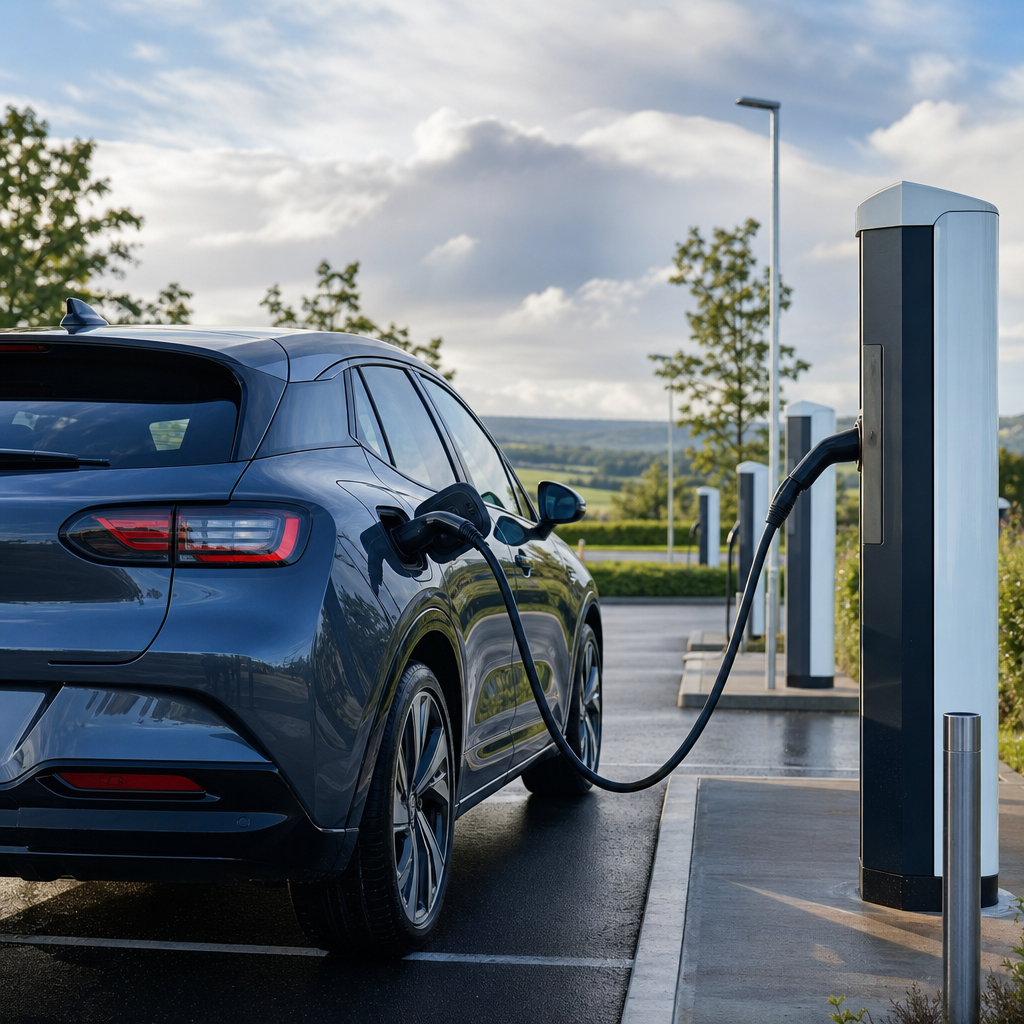
- Charging Port: The charging port is the gateway for your EV’s energy. It's essential to inspect it regularly for any physical damage, debris, or corrosion on the pins. Damage can occur from rough handling of charging cables or exposure to harsh weather. Ensuring a clean and undamaged port prevents charging issues and maintains a safe connection.
- 12V Auxiliary Battery: Often forgotten in the shadow of the main high-voltage battery, the conventional 12V battery in an EV powers essential systems like the central locking, infotainment, lights, and even the relays that "wake up" the high-voltage system. Just like in a petrol car, this battery can fail, leaving you stranded. Regular checks of its condition are an important part of any EV service.
- Cooling System(s): EVs often have multiple coolant circuits for the battery, motor, inverter, and even the cabin heating. Maintaining correct coolant levels and condition in these systems is vital for efficiency, performance, and preventing costly overheating issues.
Navigating EV Servicing in the UK: Specialists & Schedules
Finding the right place to service your used EV in the UK is crucial, as not all garages are equipped or qualified to handle high-voltage systems safely.
- Finding Specialist Mechanics:
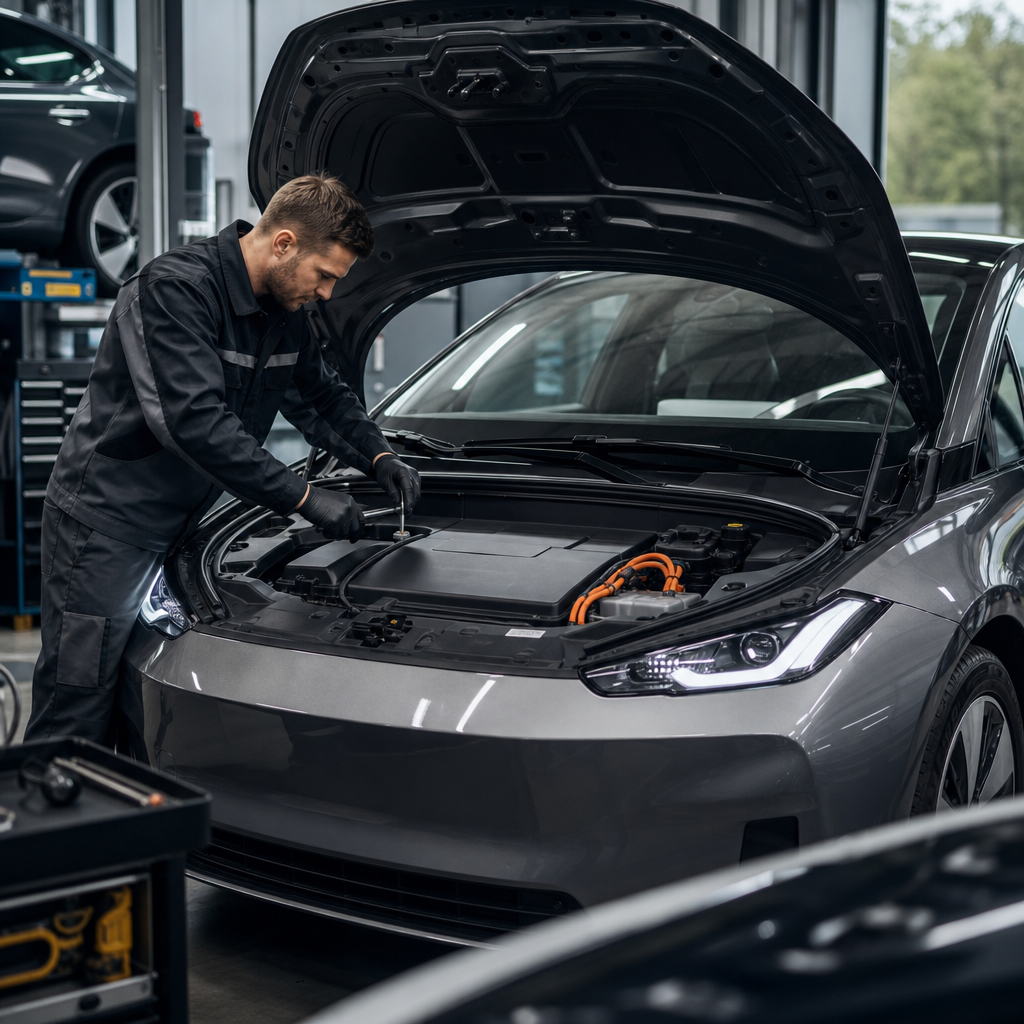
- Main Dealers: Often your safest bet, especially for newer EVs or those still under manufacturer warranty. They have brand-specific diagnostic tools, direct access to software updates, and technicians trained directly by the manufacturer (e.g., trained by Tesla, Nissan, Volkswagen etc.). While they can be pricier, their expertise is unmatched for complex issues.
- Independent EV Specialists: The network of independent garages specialising in EVs is growing rapidly across the UK. When choosing one, look for technicians with qualifications such as IMI (Institute of the Motor Industry) Level 3 or 4 in Electric/Hybrid Vehicle Repair & Maintenance. These certifications ensure they have the necessary knowledge and safety protocols to work on high-voltage systems. Online directories and EV owner forums are excellent resources for finding reputable local specialists.
- Understanding Service Schedules: EV service schedules are typically less frequent than for ICE vehicles. Many manufacturers recommend servicing every two years or 20,000 miles, though this varies. Tesla, for instance, famously has an "as needed" approach based on diagnostic data, rather than fixed intervals, though regular checks are still recommended.
- What to expect in a typical EV service:
- A comprehensive diagnostic health check of the high-voltage battery, motor, and associated systems.
- Detailed inspection of the braking system for wear and, critically, corrosion.
- Checks of all coolant levels for various circuits.
- Tyre wear, pressure, and rotation.
- Inspection of suspension components, steering, lights, and wipers.
- Replacement of the cabin air filter.
- Inspection and health check of the 12V auxiliary battery.
- Application of any relevant software updates.
- What to expect in a typical EV service:
A complete service history from EV-certified technicians is not only essential for peace of mind but also significantly boosts the resale value of your used EV.
Unpacking EV Running Costs: Separating Fact from Fiction
There are many myths circulating about EV running costs. Let's separate the facts from the fiction when it comes to ongoing expenses for a used electric car.
Common Misconceptions:
- "EVs cost nothing to maintain." This is false. While routine maintenance costs are significantly lower than ICE vehicles due to fewer moving parts and consumables (no engine oil, spark plugs, clutch, etc.), they still require regular checks, tyre replacements, brake fluid changes, and cabin filter replacements.
- "Battery replacement is inevitable and ruinously expensive." For the vast majority of EV owners, a battery replacement during the car's lifetime is highly unlikely. Modern batteries are designed to last for hundreds of thousands of miles, and significant degradation is often covered by warranties. Should a replacement ever be needed outside of warranty, costs can be substantial, but this is a rare occurrence.
- "Any garage can service an EV." As discussed, this is fundamentally untrue. Working with high-voltage systems requires specialised training, equipment, and strict safety protocols that general mechanics simply don't have.
What to Expect Regarding Ongoing Running Costs:
- Lower Routine Servicing: You can genuinely expect to pay less for routine services compared to an ICE car. No oil changes, fewer brake pad replacements, and less labour-intensive general checks contribute to this.
- Tyre Wear: This can be an unexpected cost. EVs, particularly powerful ones, have instant torque which can wear tyres more quickly. Their heavier weight also demands specific EV-rated tyres, which often have a higher load rating and lower rolling resistance, and can be more expensive than standard tyres.
- Brake Fluid & Cabin Filter: These remain regular service items, similar to an ICE vehicle.
- "Invisible" Costs: While rare, if a complex electrical fault or high-voltage component issue arises, diagnostic time and parts can be more expensive due to the specialist nature of the work and components. However, the infrequency of these issues typically offsets this.
Overall, most used EV owners in the UK report significantly lower maintenance bills over the course of ownership compared to an equivalent ICE vehicle. The key is consistent, specialist maintenance to prevent small issues from becoming large, costly problems.
Conclusion
Embracing a used electric vehicle in the UK is a smart move, offering a compelling blend of low running costs, environmental benefits, and a refined driving experience. However, stepping beyond the petrol pump doesn't mean stepping away from all maintenance responsibilities. By understanding the unique service requirements of your EV, diligently monitoring key components like the battery and braking system, and entrusting your vehicle to certified specialist mechanics, you can ensure years of reliable and efficient motoring.
Proactive, specialist maintenance is not just about keeping your car on the road; it's about safeguarding your investment, ensuring safety, and maximising the unique benefits that electric propulsion offers. Treat your used EV to the right care, and it will reward you with a smooth, silent, and surprisingly affordable journey for many miles to come.