Beyond the MOT: Crucial Pre-Purchase Checks for Your Used Hybrid Car in the UK
In the bustling landscape of the UK’s used car market, hybrids have cemented their place as a smart choice for many drivers. Offering a compelling blend of fuel efficiency, lower emissions, and often a smoother driving experience, they present an attractive proposition for those looking to reduce their running costs and environmental impact. However, buying a used hybrid isn't quite the same as picking up a traditional petrol or diesel car. While an MOT certificate assures you the vehicle meets basic roadworthiness standards, it doesn't delve into the complex, often unique, systems that make a hybrid tick.
To truly secure peace of mind and avoid potentially costly surprises down the line, a more comprehensive inspection is essential. This guide from CarsLink.ai will walk you through the critical, hybrid-specific checks you should conduct or have conducted before committing to your next eco-friendly purchase.
1. Hybrid Battery Health Assessment: The Heart of the Matter
The hybrid battery is arguably the most critical and potentially expensive component of a used hybrid vehicle. Its health directly impacts the car's fuel efficiency, performance, and overall longevity. Simply put, a compromised battery can quickly turn a fuel-saving investment into a financial drain.
What to look for:
- Service Records for Battery Checks: Many manufacturers, such as Toyota with its Hybrid Health Check, offer specific diagnostic programmes for their hybrid batteries. Look for documented evidence in the service history that these checks have been performed regularly and that the battery passed. A consistent record indicates proactive maintenance.
- Warning Lights: During your test drive and even before starting the engine, pay close attention to the dashboard. Any illuminated "check engine," "hybrid system warning," or specific battery warning lights are significant red flags that demand immediate investigation.
- Abnormal Range/Efficiency: If possible, test drive the car on a route where you can observe its hybrid operation. Does it smoothly transition between electric (EV) and internal combustion engine (ICE) power? Does the battery indicator drop unusually quickly, or does the ICE cut in excessively, suggesting the battery isn't holding charge well? A noticeable lack of EV-only driving capability or poor displayed fuel economy for the model are warning signs.
- Independent Specialist Diagnostic Scan: This is perhaps the most crucial step. While warning lights indicate a fault, a specialist diagnostic tool can provide detailed data on the battery's state of health (SoH), individual cell voltages, and thermal management status. Investing in a pre-purchase inspection from a reputable hybrid specialist can reveal hidden battery degradation that isn't yet serious enough to trigger a dashboard light but could impact performance and lifespan. They can provide a comprehensive report, giving you valuable negotiating power or alerting you to walk away.
2. Beyond Brake Pads: The Regenerative Braking System
Hybrids employ regenerative braking, where kinetic energy is captured and converted back into electricity to recharge the battery. This system significantly extends the life of traditional friction brake pads, often leading to them lasting much longer than on conventional cars. However, this benefit can introduce a different set of problems.
What to look for:
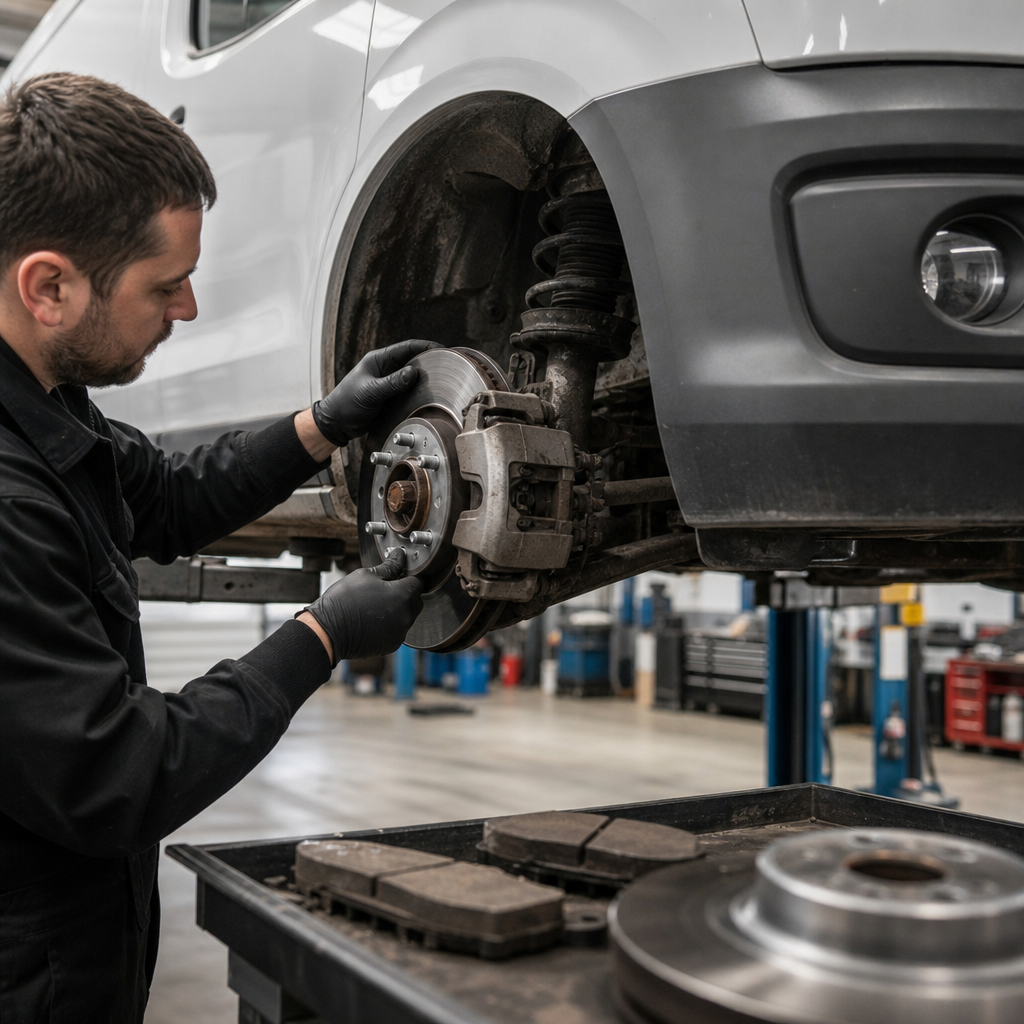
- Disc Corrosion: Because the friction brakes are used less frequently, the brake discs can be prone to rust and corrosion, especially in the UK's damp climate. Inspect the discs carefully for excessive pitting, deep scoring, or areas of heavy rust, particularly on the inner surfaces or less-used portions of the disc. While surface rust is normal, deep corrosion can compromise braking performance and lead to an MOT failure.
- Seizing Callipers: Less frequent activation of the friction brakes means that callipers can seize or stick due to corrosion build-up or lack of regular movement. During your test drive, listen for any grinding, squealing, or persistent rubbing noises that suggest a calliper issue. Feel for any pulsing through the brake pedal or the car pulling to one side under braking.
- Cost Implication: While new pads might not be needed, replacing heavily corroded discs or seized callipers can still be a significant expense. It's an often-overlooked area that can reveal a lack of attention to detail in the car's maintenance history.
3. Dual Cooling System Inspection
Unlike most conventional cars, hybrids typically feature at least two separate cooling systems: one for the internal combustion engine and another dedicated to the hybrid components, specifically the inverter and sometimes the battery pack itself. Neglecting either can lead to serious and costly damage.
What to look for:
- Internal Combustion Engine (ICE) Cooling: Perform the standard checks. Locate the radiator and coolant reservoir. Check the coolant level and condition – it should be at the correct mark and free from any oily residue or unusual discolouration. Look for any visible leaks around hoses, the radiator, or the water pump.
- Hybrid Component Cooling System: This is the one often overlooked. Locate the separate reservoir(s) for the inverter and/or battery cooling. These often contain a distinctively coloured coolant (e.g., pink or blue). Check its level and condition. Crucially, look for any signs of leaks around the inverter unit (often a metal box with prominent orange cables) or near the battery pack (which might be under the rear seats or in the boot).
- Unusual Noises: Listen for any gurgling, whirring, or unusual sounds that might indicate air in the system or a failing pump within either cooling circuit.
- Why it's vital: Overheating of the inverter or battery pack can lead to a complete hybrid system shutdown, significant performance degradation, and potentially irreparable damage to expensive components. Ensure both systems are functioning correctly.
4. Digging into Hybrid-Specific Service History
A comprehensive service history is a golden ticket for any used car, but for a hybrid, it needs closer scrutiny than just oil changes and filter replacements. Hybrid vehicles have specific maintenance requirements that, if neglected, can impact their efficiency and reliability.
What to look for:
- Hybrid System Diagnostic Checks: Has the hybrid system been regularly scanned and checked for fault codes as part of its scheduled maintenance? As mentioned, manufacturer-specific checks (like Toyota's Hybrid Health Check) are a strong indicator of diligent care.
- Software Updates: Modern hybrids rely heavily on sophisticated software to manage power flow, battery charging, and overall system efficiency. Have any manufacturer-recommended software updates been performed? These updates can address known issues, improve fuel economy, and enhance the longevity of components.
- Inverter Coolant Changes: This is a critical but often overlooked maintenance item. The coolant for the inverter and hybrid battery (if applicable) needs periodic replacement, much like engine coolant. Verify if this has been performed according to the manufacturer's schedule, which can be every 100,000 miles or 10 years, depending on the model.
- Transmission Fluid: Many hybrids use an Electronic Continuously Variable Transmission (eCVT), which also requires specific fluid changes at manufacturer-prescribed intervals. Ensure these are documented.
- Proof: Always ask for physical or digital records. A car with a full, stamps-and-receipts service history is worth its weight in gold.
5. Tyre Wear & Type: Not Just Round and Black
Tyres play a crucial role in a hybrid’s efficiency and handling, and their condition and type deserve specific attention. The unique characteristics of hybrids – often heavier than conventional equivalents and designed for maximum efficiency – mean that tyre choice and wear patterns are particularly important.
What to look for:
- Correct Low-Rolling-Resistance (LRR) Type: Many hybrids are engineered to perform optimally with Low-Rolling-Resistance (LRR) tyres. These tyres are designed to reduce friction with the road, thereby improving fuel economy. Check if the fitted tyres are of the correct LRR type specified by the manufacturer (they often have 'ECO' or specific branding in their name). Fitting incorrect, standard tyres can noticeably impact the car's fuel efficiency and potentially alter its handling characteristics.
- Even Wear: Inspect all four tyres for even wear across the tread. Hybrids can sometimes exhibit specific wear patterns due to their weight distribution and instant torque delivery from the electric motor. Uneven wear (e.g., excessive wear on the inner or outer edges, feathering) could indicate alignment issues, worn suspension components, or simply a lack of proper tyre rotation and pressure management. These issues could translate into costly repairs.
- Tread Depth and Age: Beyond the type, ensure all tyres have at least the legal minimum tread depth of 1.6mm (though 3mm is widely recommended for optimum safety, especially in wet UK conditions). Also, check the age of the tyres (a four-digit DOT code on the sidewall indicates week and year of manufacture). Tyres older than 5-6 years, even with good tread, can degrade and lose performance.
Conclusion
Buying a used hybrid in the UK is an excellent decision for many, offering economic and environmental benefits. However, a traditional MOT certificate, while vital, only scratches the surface of what needs to be assessed. By meticulously checking the hybrid battery's health, inspecting the unique characteristics of the braking system, understanding the dual cooling systems, scrutinising hybrid-specific service records, and paying close attention to tyre type and wear, you can make an informed and confident purchase. Investing a little extra time and potentially a specialist inspection upfront can save you significant money and stress in the long run, ensuring your used hybrid provides reliable, efficient motoring for years to come.