Winterising Your Ride: Essential Storage Tips for Your Used UK Motorcycle
As the days shorten, the mercury drops, and the familiar grey skies bring a chill to the air, many UK motorcyclists begin to contemplate the inevitable – putting their beloved machine away for the winter. While the thought of months without two-wheeled adventures might sting a little, proper winterisation isn't just about protecting your investment; it's about ensuring a smooth, trouble-free return to the road come spring. For owners of used motorcycles, this process is even more critical, as older components can be more susceptible to the ravages of neglect.
At CarsLink.ai, we understand that your motorcycle is more than just transport; it's a passion. That's why we've compiled this comprehensive guide to help you prepare your used UK motorcycle for its winter slumber, ensuring it emerges in prime condition, ready to tackle the open road once more.
Immaculate Preparation: The Foundation of Winter Storage
The first, and arguably most crucial, step in winterising your motorcycle is a thorough clean and inspection. Neglecting this can lead to corrosion, seized components, and lasting damage that could prove costly come spring.
Start with a meticulous wash. Road grime, salt, dead insects, and bird droppings aren't just unsightly; they're acidic and corrosive. Use a motorcycle-specific cleaner and warm water, paying close attention to wheel arches, engine fins, brake callipers, and exhaust pipes – areas where grime loves to accumulate. A soft brush can help dislodge stubborn dirt without scratching paintwork.
Once clean, thoroughly dry your bike. Water trapped in crevices can lead to rust and mould. An air blower is excellent for getting into nooks and crannies, followed by microfibre cloths to soak up residual moisture.
With your bike gleaming, it's time for protection. Apply a high-quality wax or polish to all painted and chrome surfaces. This provides a protective barrier against moisture and atmospheric corrosion. Crucially, consider using a corrosion inhibitor like ACF-50 or XCP Rust Blocker. These products are invaluable for electrical connections, unpainted metal parts, and areas prone to rust. Spray liberally into switchgear, exposed wiring, engine casings, and bolt heads, then gently wipe away any excess. Don't forget to clean and lubricate your chain with a good quality chain lube – rust on the chain can quickly lead to expensive replacements.
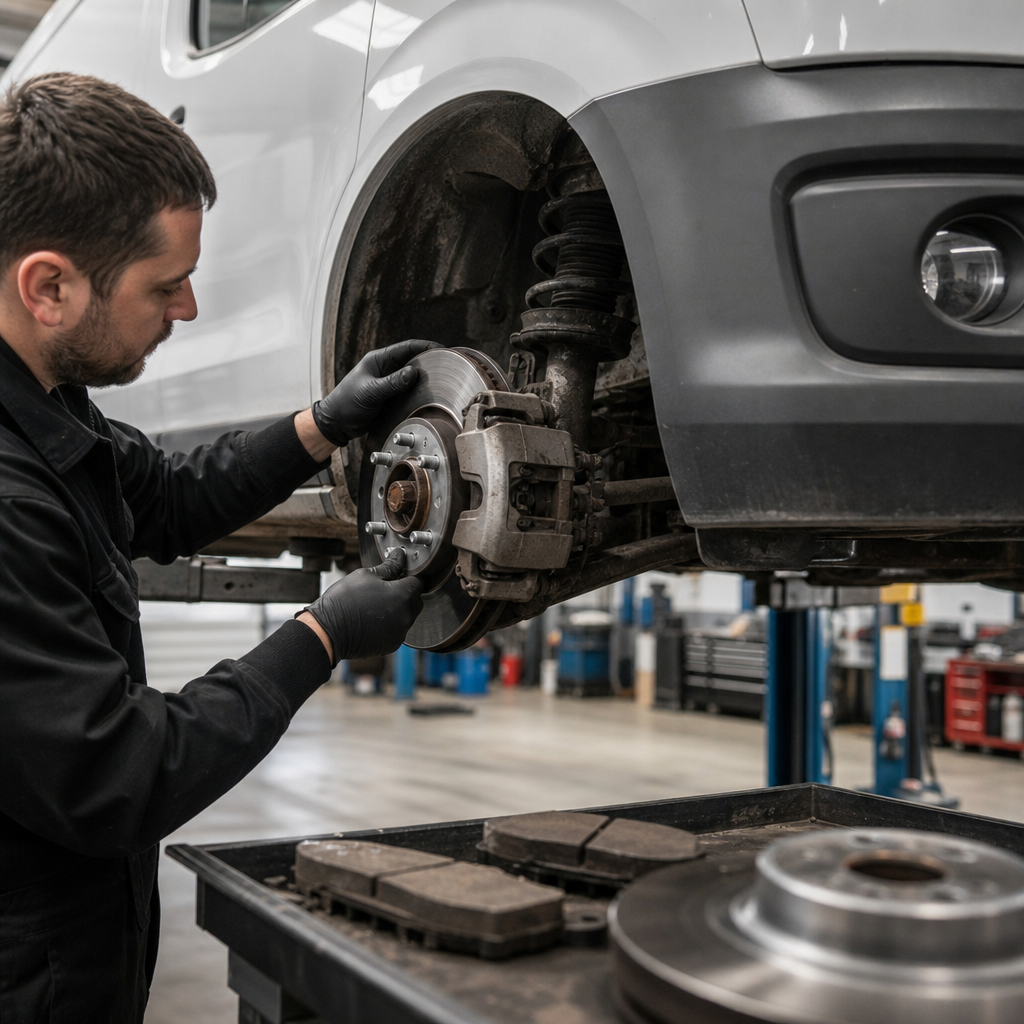
Finally, take this opportunity to conduct a visual inspection. Look for loose bolts, frayed cables, worn tyres, or any fluid leaks. Addressing minor issues now can prevent them from becoming major headaches in the spring.
Battery Brilliance: Keeping the Juice Alive
Your motorcycle's battery is particularly vulnerable during prolonged periods of inactivity, especially in cold weather. Batteries naturally self-discharge, and a deep discharge can permanently damage them, leading to a costly replacement.
The best defence is a smart charger or 'trickle charger'. Brands like OptiMate or Ctek offer intelligent battery maintainers that monitor the battery's charge level and top it up as needed, preventing overcharging and ensuring it stays at an optimal voltage. These are designed to be connected for extended periods. Most modern bikes have a convenient accessory socket or a quick-connect lead for easy attachment. If your motorcycle is stored in a secure, dry garage, leaving the battery connected to a smart charger on the bike is often the easiest solution.
However, if your storage location is unheated, damp, or lacks a power source, it's advisable to remove the battery entirely. Disconnect the negative (black) terminal first, then the positive (red). Store the battery in a warm, dry place – a shelf in your house or utility room is ideal. Even when off the bike, it will still benefit from being periodically connected to a smart charger every few weeks to keep it conditioned. Be aware that lithium-ion batteries often require specific chargers, so check your battery type and charger compatibility.
Fuel & Fluids: Avoiding Stagnation and Damage
Just like your battery, the fluids in your motorcycle require attention to prevent issues during dormancy.
Fuel: Modern petrol, particularly with ethanol content, can degrade over time. Ethanol attracts moisture, leading to corrosion in the fuel tank and lines, and can also leave gummy deposits that clog carburettors or fuel injectors.
For winter storage, there are two main approaches for the fuel tank:
- Fill it to the brim: This is generally the most recommended method. Fill your tank completely with premium-grade petrol (ideally ethanol-free if you can find it, but premium typically has less ethanol). Crucially, add a reputable fuel stabiliser (e.g., Sta-bil, Redex). Run the engine for a few minutes after adding the stabiliser to ensure it circulates throughout the fuel system. This full tank method prevents condensation from forming in the tank, which is a major cause of rust.
- Drain it (less common): For very long-term storage (multiple years) or older bikes highly susceptible to rust in an empty tank, completely draining the tank and carburettors might be considered. However, this is more involved and not typically necessary for a standard UK winter.
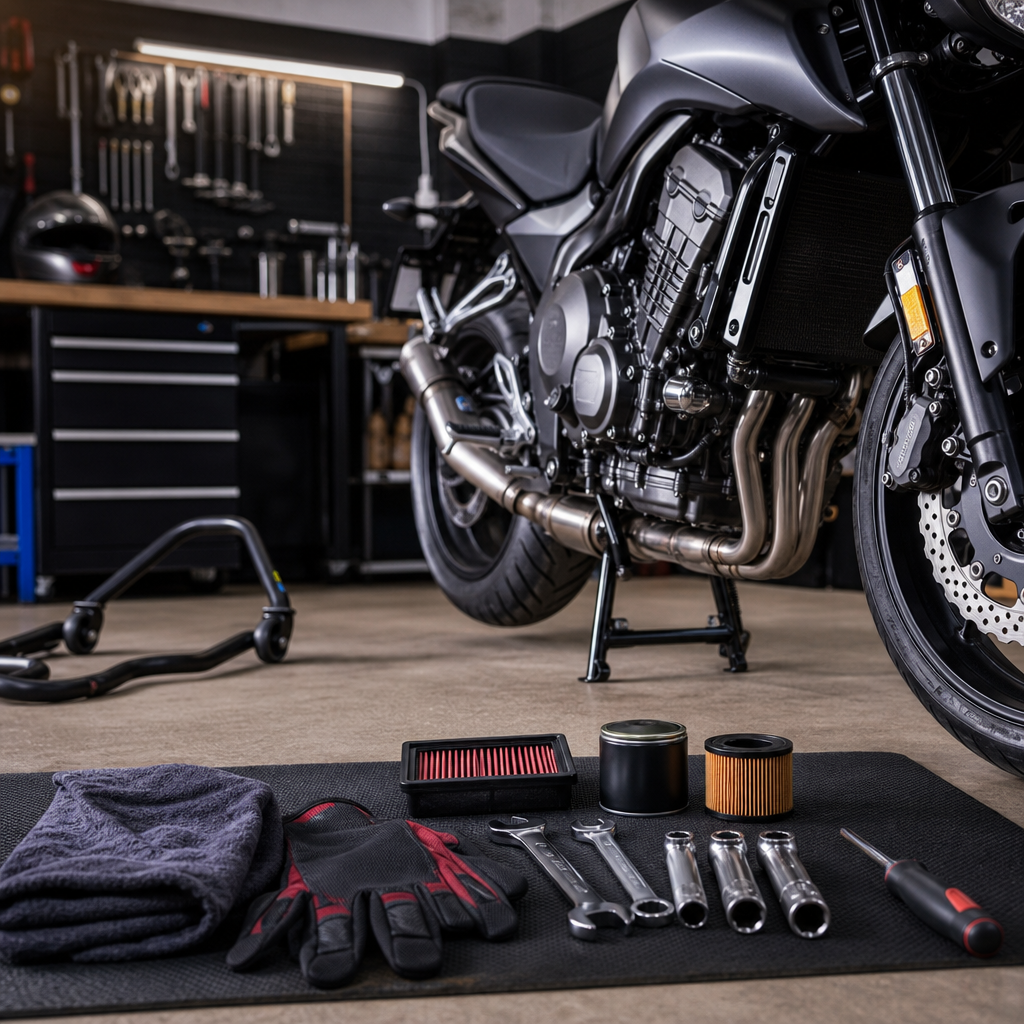
Oil: Old engine oil contains combustion by-products, acids, and contaminants. Leaving these to sit in your engine for months can cause internal corrosion. Therefore, it's highly advisable to change your engine oil and oil filter before storage. Fresh, clean oil provides maximum protection for internal components. After the oil change, run the engine for a few minutes to circulate the new oil and ensure it coats all vital parts.
Other Fluids: Check your coolant level and ensure it has the correct anti-freeze concentration for winter temperatures. While not strictly a winterisation task, checking brake fluid and clutch fluid (if hydraulic) levels is good practice. If your brake fluid is due for a change (typically every two years), now is as good a time as any.
Tyre TLC and Suspension Serenity
Your motorcycle's tyres are designed to roll, not to bear the entire weight of the bike in one static position for months. Leaving a tyre in one spot can lead to 'flat spots' – permanent deformities that affect handling and ride comfort once you're back on the road.
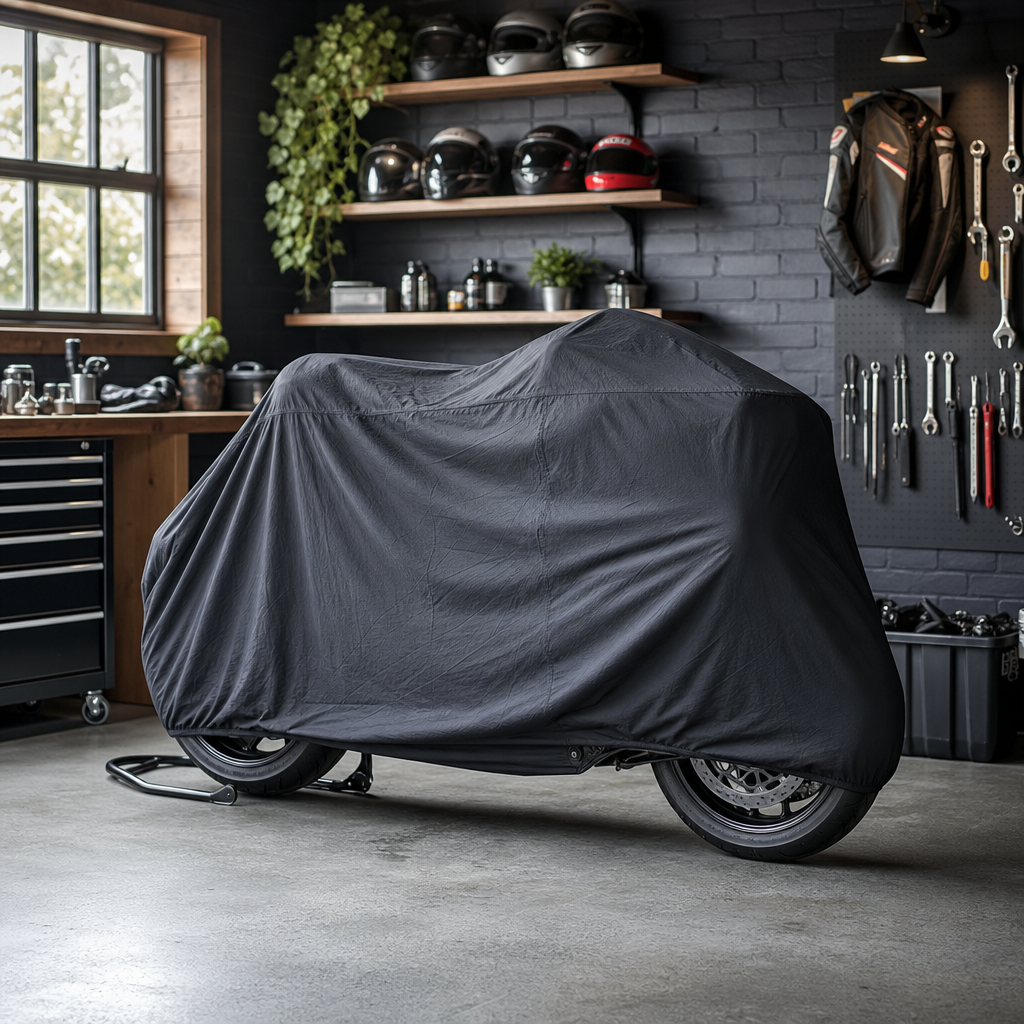
The ideal solution is to lift both wheels off the ground using front and rear paddock stands. This completely unloads the tyres and also takes pressure off the suspension components. If paddock stands aren't an option, over-inflate your tyres to the manufacturer's maximum recommended pressure (or a few psi above normal riding pressure – do not exceed the maximum marked on the tyre itself). This helps maintain their shape. As a backup, periodically roll the bike a few feet every few weeks to shift the load point, though this is less effective than stands.
For the suspension, clean the exposed stanchions of your front forks and rear shock absorber thoroughly. You can apply a light silicone spray to the stanchions to help protect the seals from drying out and cracking, but avoid getting it on brake components. If possible, avoid compressing the suspension for long periods, which paddock stands will help achieve.
The Ultimate Hideaway: Choosing Your Storage Sanctuary
Where you store your motorcycle is as important as how you prepare it. The goal is a secure, dry, and stable environment.
Location: An indoor location is always best. A garage, shed, or dedicated motorcycle storage unit offers protection from the elements and theft. If outdoor storage is your only option, invest in a high-quality, breathable motorcycle cover. Avoid cheap plastic tarpaulins, as these can trap moisture underneath, leading to condensation, mould, and corrosion. A good cover should be waterproof but allow air circulation.
Environment: Dryness is paramount. A damp garage will undo all your hard work, promoting rust and mould growth. If your garage is prone to damp, consider a dehumidifier. Good ventilation also helps prevent moisture build-up. While temperature control isn't always possible, try to avoid locations with extreme temperature fluctuations, which can stress components and encourage condensation.
Security: Even in a locked garage, theft remains a concern. Utilise ground anchors, sturdy chain locks, and disc locks. An alarm system can also provide an extra layer of deterrence. Inform your insurance provider of your storage location, especially if it's different from your usual address, and ensure your policy covers theft from that location.
Conclusion
Winterising your used UK motorcycle might seem like a chore, but it's an investment that pays dividends. A few hours of preparation now will save you headaches, expense, and frustration in the spring. By meticulously cleaning and protecting your machine, tending to its battery and fluids, caring for its tyres and suspension, and choosing the right storage environment, you're not just preserving its condition – you're safeguarding its value and ensuring that when the sun eventually graces our roads once more, your beloved motorcycle will burst back to life, ready for another season of exhilarating rides. Safe storage, and we'll see you on the road next spring!