Ready for the Open Road: Essential Pre-Season Checks for Your Used UK Motorcycle
As the greyness of winter recedes and the promise of warmer days beckons, many of us are already dreaming of hitting the open road on two wheels. For UK motorcyclists, the pre-season ritual is more than just a tradition; it's a critical safety measure, especially when you're riding a used machine. While the thrill of owning a used bike from a trusted source like CarsLink.ai is undeniable, understanding its history and ensuring its roadworthiness after months of dormancy – or even just regular use – is paramount.
Neglecting a thorough pre-ride inspection can lead to costly repairs, unexpected breakdowns, or, worst of all, a dangerous incident. This comprehensive guide will walk you through the essential checks to get your used UK motorcycle primed and ready for a safe and enjoyable riding season. Think of it as your two-wheeled MOT before the official one!
Tyres: Your Only Contact with the Road
Your tyres are the single most critical safety component on your motorcycle, providing the only connection between you and the tarmac. A thorough inspection is non-negotiable.
First, check your tyre pressures. Incorrect pressure affects handling, stability, fuel economy, and tyre wear. Refer to your motorcycle's owner's manual or a sticker on the swingarm for the manufacturer's recommended pressures (often different for front and rear). Use a reliable gauge and check them when the tyres are cold. Under-inflated tyres can overheat and compromise handling, making the bike feel heavy and imprecise, while over-inflated tyres reduce the contact patch, leading to a harsh ride and reduced grip.
Next, inspect the tread depth. The legal minimum tread depth for motorcycles over 50cc in the UK is 1mm across three-quarters of the breadth of the tread and in a continuous band around the entire circumference. For bikes 50cc or under, it's 0.5mm. Look for the tread wear indicators (small raised bars within the main grooves) – if the tread is flush with these, your tyres are illegal and unsafe. Also, check for even wear across the tyre; uneven wear can indicate suspension issues or incorrect pressures.
Finally, scrutinise the condition of the tyre walls and tread. Look for any signs of cracking, perishing, bulges, cuts, or embedded foreign objects (nails, glass shards). Pay close attention to the sidewalls, as tiny cracks here can signify ageing rubber, even if the tread looks decent. You can often find a four-digit DOT code on the sidewall indicating the week and year of manufacture (e.g., "1020" means the 10th week of 2020). Tyres older than five years, regardless of tread, should be considered for replacement as the rubber compounds degrade over time.
Brakes: Your Lifeline for Stopping Power
Reliable brakes are fundamental to safe riding. A comprehensive brake system check can literally save your life.
Start by inspecting the brake fluid reservoirs. Both front and rear reservoirs (if applicable) should have fluid levels between the 'minimum' and 'maximum' markers. Also, check the fluid's colour. New brake fluid is typically clear or light amber; if yours looks dark brown or black, it's past its best and should be changed. Brake fluid is hygroscopic, meaning it absorbs moisture over time, which reduces its effectiveness and can lead to corrosion within the system.
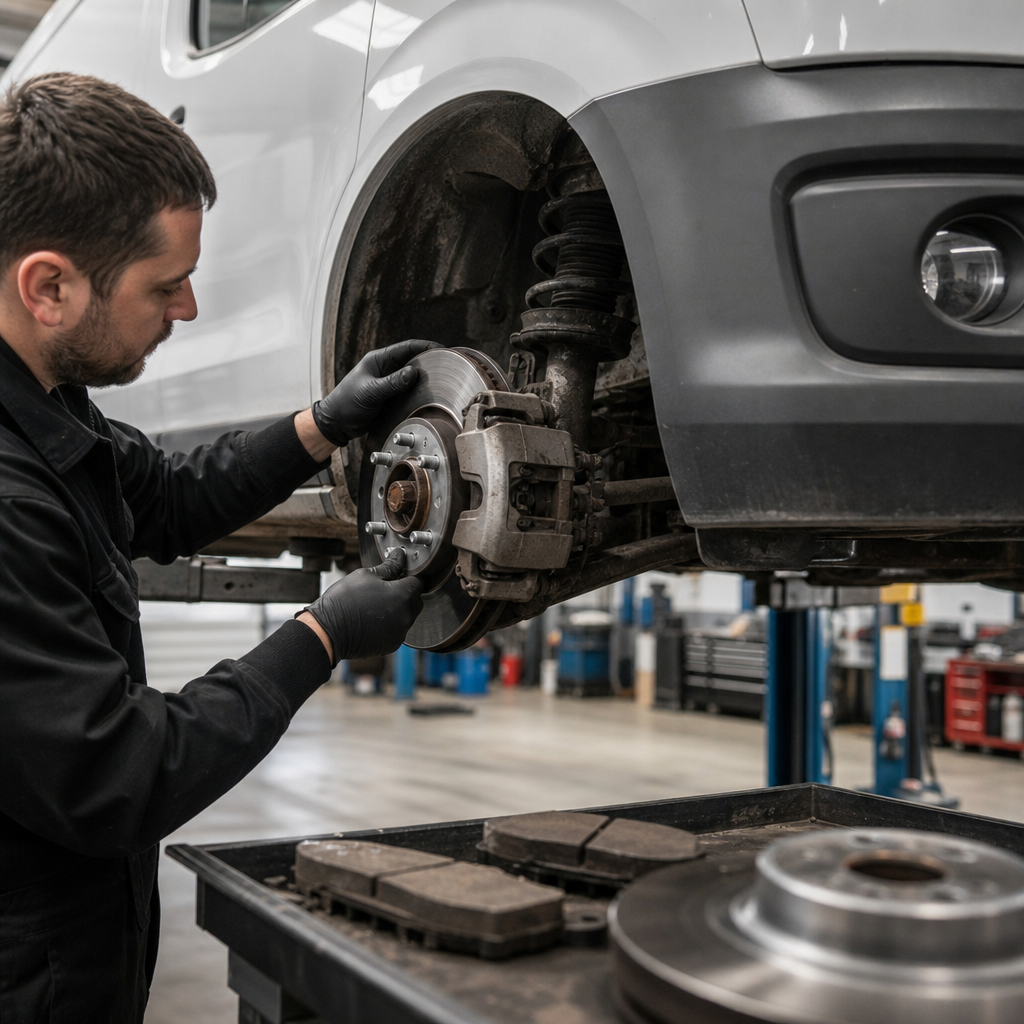
Next, examine your brake pads. Each caliper has pads that clamp onto the disc. Look at the pad material; most pads have wear indicator grooves. If the friction material is thin (typically less than 2mm, but check your manual), or the indicator grooves are almost gone, it’s time for replacements. Also, ensure there's no oil or grease on the pads or discs, as this will severely compromise braking performance.
Finally, inspect the brake discs. Check for excessive scoring, deep grooves, or discolouration (blueing can indicate overheating). Most discs have a minimum thickness stamped on them; use a micrometer to check if they're within specification. Feel for any noticeable lip around the outer edge, which indicates wear. Also, visually check for any signs of warping – though this is often only noticeable during braking as a pulse through the lever or pedal. Ensure brake hoses are free from cracks or chafing.
Essential Fluids: The Lifeblood of Your Machine
Beyond brake fluid, several other vital fluids keep your motorcycle running smoothly and reliably.
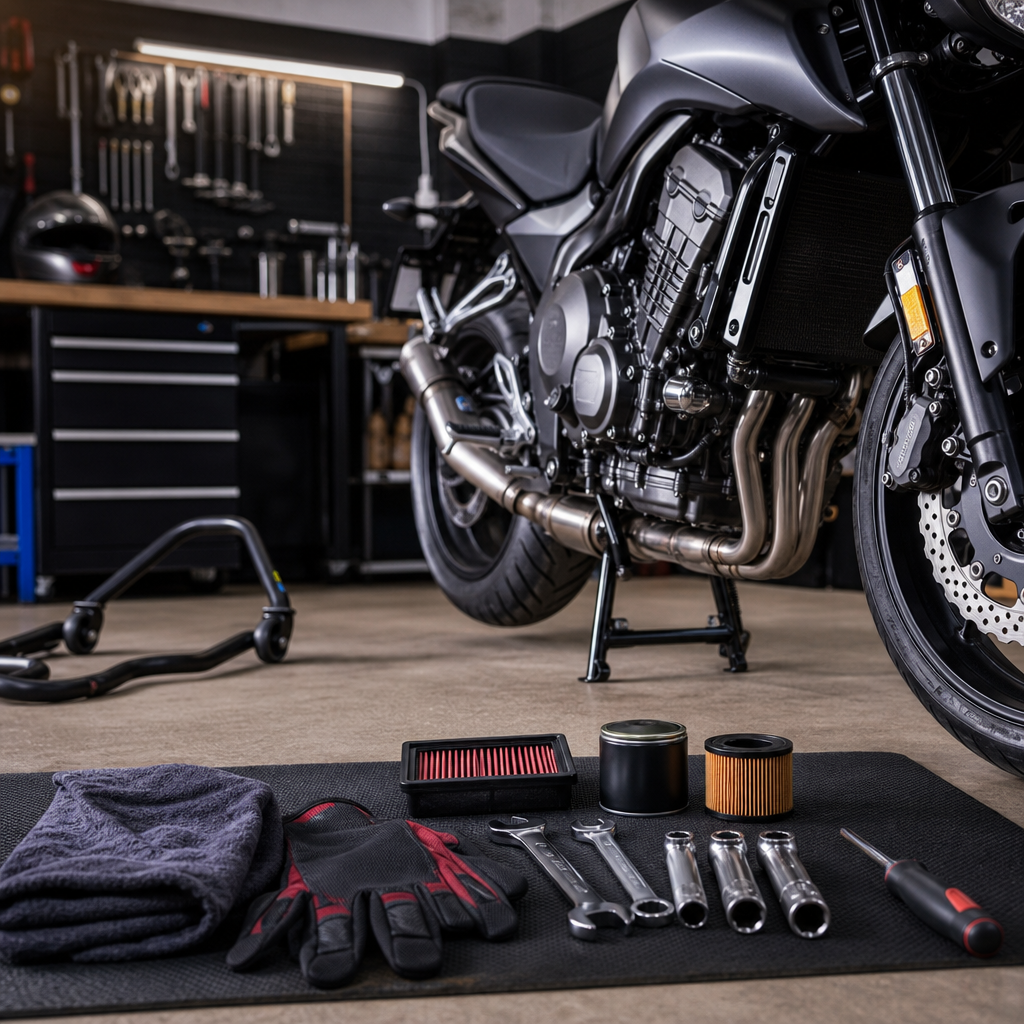
First up is engine oil. For most bikes, this is checked via a dipstick or a sight glass on the engine casing. Ensure your bike is on level ground (some bikes need to be on a centre stand, others upright but leaning on the side stand – consult your manual). The oil level should be between the min and max markers. Note the colour and consistency; excessively dark, sludgy, or milky oil (the latter indicating water contamination) means it's time for an oil and filter change. Even if your mileage is low, oil degrades over time, so an annual change is a good habit.
If your bike is liquid-cooled, check the coolant level in the expansion tank (usually a translucent tank with 'max' and 'min' lines). The level should be correct when the engine is cold. Look for any visible leaks around hoses or the radiator. Like brake fluid, coolant also degrades, losing its anti-corrosion and anti-freeze properties. A biennial flush and refill with the correct type of coolant is recommended.
For bikes with a shaft drive (e.g., some BMWs or large touring bikes), check for any oil leaks around the final drive housing. While less frequent, shaft drive oil also needs periodic replacement.
Battery Health and Electrical Systems
A dead battery is a common reason for a motorcycle failing to start after winter. Proactive battery maintenance prevents frustrating delays.
If your bike has been sitting, connect it to a trickle charger or battery maintainer for 24-48 hours to ensure it's fully charged. A healthy, fully charged 12V motorcycle battery should read around 12.6-12.8 volts with a multimeter when the bike is off. Anything significantly below 12.4V indicates a charge is needed.
Inspect the battery terminals. They should be clean, tight, and free from corrosion. A thin layer of dielectric grease can help prevent corrosion. Ensure the battery itself is securely fastened in its tray.
Beyond starting power, check all your lights for functionality: headlight (high and low beam), tail light, brake light (front and rear activation), indicators (front and rear, left and right), and your horn. Also, check dashboard warning lights and instrumentation. This ensures not only your visibility to others but also your ability to signal intentions and see the road clearly, especially important on unlit UK country lanes.
Chain, Bolts, and General Roadworthiness
The details often make the biggest difference in overall safety and riding experience.
If your bike has a chain drive, chain tension is crucial. Too tight and it can damage bearings; too loose and it can jump off or cause erratic power delivery. Consult your manual for the correct amount of slack (typically 20-35mm, measured with the bike on its sidestand). Also, check for tight spots by rotating the wheel and feeling for inconsistencies. Lubricate the chain thoroughly with appropriate chain lube, and inspect the sprockets for "hooking" or excessive wear – sharp, pointed teeth indicate they need replacing along with the chain.
Perform a general bolt check. While you don't need to re-torque every bolt, a visual inspection for missing or loose fasteners is a good idea. Pay particular attention to handlebar clamps, axle nuts, engine mounting bolts, and any fairing bolts. A loose handlebar bolt mid-ride is an experience you won't want to repeat!
Check your cables – throttle and clutch. Ensure they operate smoothly without sticking. Lubricate them if necessary. Inspect for fraying or damage.
Finally, give a quick once-over to your suspension. Look for oil leaks around the fork seals. Press down on the front and rear suspension to check for smooth, controlled rebound. Ensure your mirrors are clean, secure, and offer a clear view behind you.
Conclusion
Embarking on a new riding season, particularly on a used motorcycle, is an exciting prospect. By dedicating a few hours to these essential pre-season checks, you're not just maintaining your bike; you're investing in your safety and peace of mind. A well-maintained machine is a reliable machine, allowing you to fully enjoy the freedom and exhilaration that only motorcycling can offer on the fantastic roads the UK has to offer. If you're unsure about any of these checks or uncover issues, don't hesitate to consult a qualified motorcycle mechanic.
Ride safe, and we’ll see you out there on the open road! Find your next adventure on two wheels with confidence at CarsLink.ai.