The Reality of Range: Choosing a Used EV for UK Countryside Living
The allure of electric vehicles (EVs) is growing steadily across the UK, promising lower running costs, a quieter drive, and a greener footprint. However, for those of us residing in the beautiful, often remote, British countryside, a common concern frequently surfaces: range anxiety. Will a used EV truly cope with longer commutes, sparse charging infrastructure, and the varied demands of rural life?
The answer, happily, is a resounding yes – with careful planning and realistic expectations. While city dwellers might find charging opportunities around every corner, rural living demands a more strategic approach to EV ownership, especially when considering a used model. This guide from CarsLink.ai will help you navigate the unique challenges and opportunities of choosing a used EV perfect for your countryside lifestyle.
Assess Your True Mileage Needs
The first, and arguably most crucial, step in finding your ideal used EV is to accurately understand your daily and weekly driving requirements. Forget guesswork; it's time for some honest self-assessment. Rural life often means driving further for essentials – the nearest supermarket, the children’s school, a GP surgery, or connecting to an A-road for longer journeys.
Practical Tip: For a week or two, keep a log of all your journeys. Note down the start and end mileage for each trip. This will give you a concrete figure for your typical daily and weekly mileage. Don’t forget to factor in:
- Routine commutes: To work, school runs, trips to the nearest town.
- Errands: Shopping, appointments, visiting friends and family.
- Occasional longer trips: A monthly visit to a larger city, annual holiday starting point.
- Terrain: Hilly country roads can consume more power than flat stretches.
Once you have these figures, add a buffer. Aim for an EV that can comfortably cover your longest typical daily return journey at least once, preferably twice, without needing a top-up. This provides essential peace of mind, especially during colder months when range naturally decreases. For example, if your round trip to the nearest large town is 40 miles, looking at an EV with a real-world range of 80-100 miles gives you plenty of breathing room.
Real-World Range vs. WLTP Figures
When browsing used EVs, you'll inevitably come across the "WLTP" range figure. This stands for Worldwide Harmonised Light Vehicle Test Procedure and is a standardised laboratory test designed to give consumers a comparable range figure across different models. While useful for comparison, it rarely reflects real-world driving conditions, particularly on undulating country roads or at higher speeds.
Factors that significantly affect real-world range:
- Temperature: Cold weather is an EV's enemy. Batteries are less efficient, and heating the cabin saps considerable power. Expect a noticeable reduction in winter range – sometimes by 20-30% or more.
- Driving Style: Aggressive acceleration and braking use more energy. Smooth, consistent driving, particularly utilising regenerative braking on downhill sections, maximises efficiency.
- Speed: Higher speeds (e.g., on dual carriageways or motorways) consume disproportionately more energy, as aerodynamic drag increases. Country roads, often involving lower average speeds, can sometimes be more efficient than sustained motorway driving.
- Terrain: Climbing hills requires more energy. While you often gain some back through regeneration on the descent, overall consumption will be higher.
- Ancillaries: Using the heater, air conditioning, heated seats, and even headlights will all draw power from the battery.
Practical Tip: Don't just rely on the advertised WLTP. Research specific models you’re considering on owner forums, YouTube reviews (especially those from UK drivers), and dedicated EV news sites. Many publications conduct real-world range tests that account for varying conditions. For instance, an older Nissan Leaf might have a real-world motorway range significantly lower than its city range, whereas a Hyundai Kona Electric or Kia e-Niro often surprise owners with their efficiency even at higher speeds. Aim for a used EV that offers at least a 20-30% cushion above your maximum daily requirement once real-world factors are considered.
Navigating Rural Charging Infrastructure
For rural EV owners, home charging isn't just a convenience; it's practically a necessity. While public charging networks are expanding, they are understandably concentrated in urban centres and along major transport corridors.
1. Home Charging: Your Lifeline
- Off-street parking: Do you have a driveway or garage where you can install a charger? This is non-negotiable for most rural EV owners.
- Dedicated Wallbox: A 7kW wallbox charger (which typically costs £800-£1200 installed) allows you to fully recharge most EVs overnight. This ensures you start every day with a 'full tank'. While the government's OZEV grant for home charging has changed, some grants for landlords or those in flats may still apply, so check the latest information.
- Standard 3-pin plug: While possible to charge using a domestic socket, this is very slow (around 2kW) and should only be used as an emergency or occasional overnight top-up. It's too slow for regular use.
2. Public Charging: For Longer Journeys
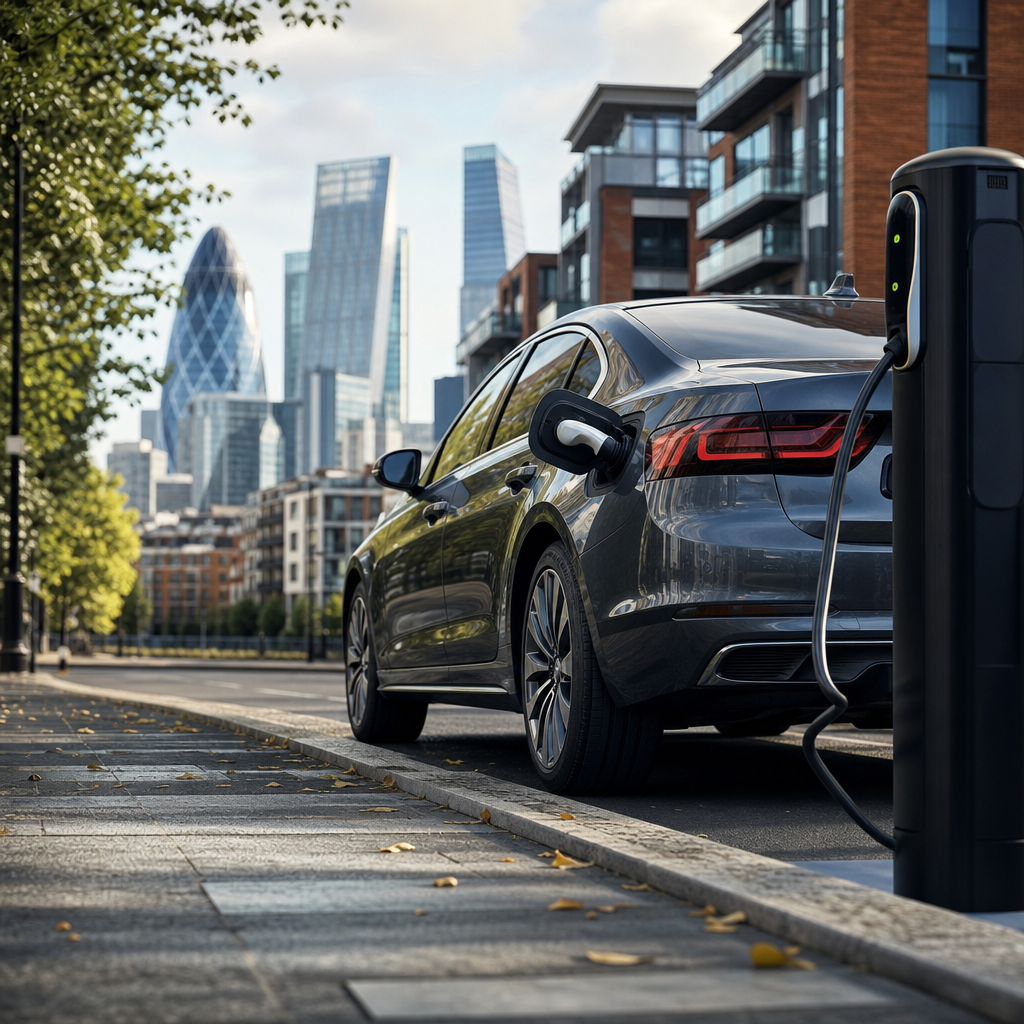
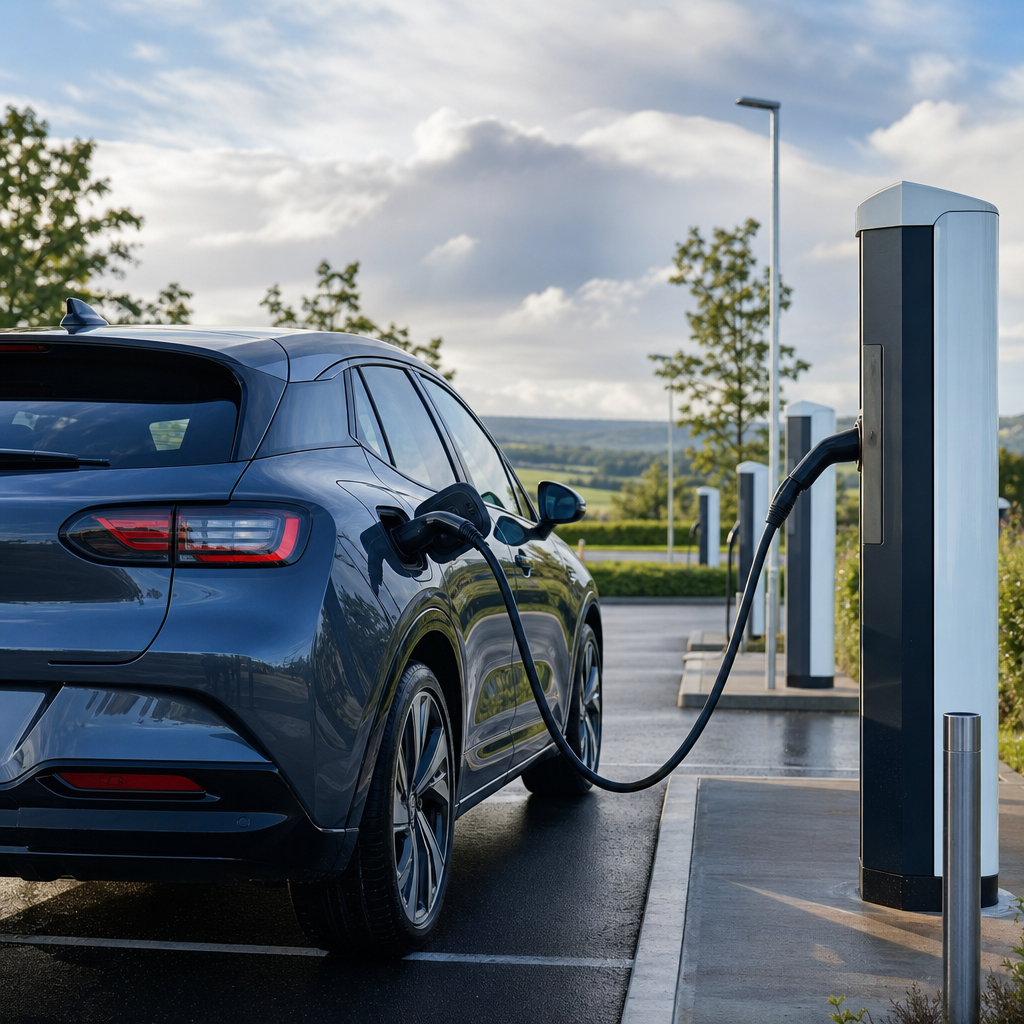
- Local hubs: Identify any public chargers in your nearest market town, at local supermarkets, leisure centres, or even pubs that have invested in EV charging points. These are great for 'destination charging' while you're running errands.
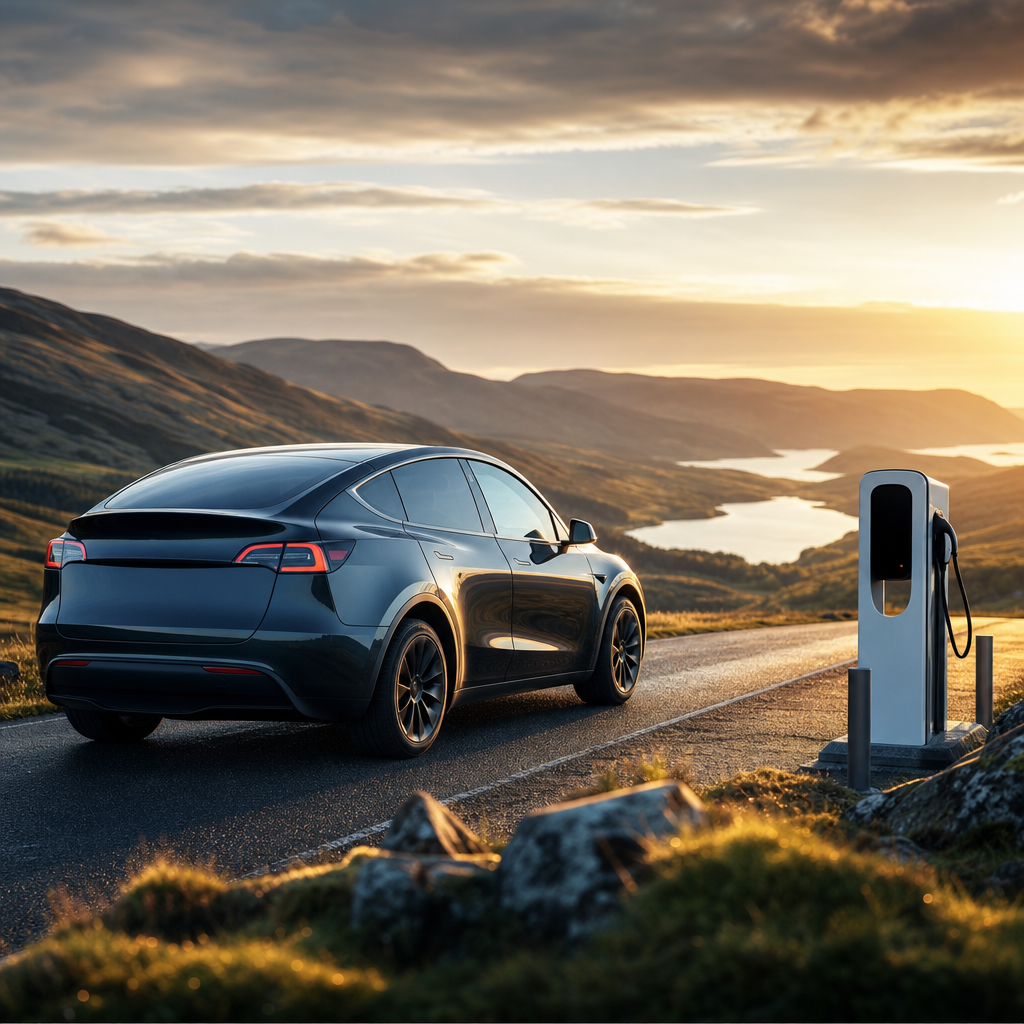
- Route planning: For longer trips outside your immediate area, use apps like Zap-Map or PlugShare to locate rapid chargers (50kW+ DC) on major A-roads or motorways. These can provide a significant boost in 20-40 minutes.
- Reliability: Sadly, public chargers can sometimes be out of order. Always have a backup charging location in mind, especially when venturing further afield.
- Charging networks: Be prepared for the possibility of needing multiple apps or RFID cards for different charging networks (e.g., Gridserve, Osprey, BP Pulse, Instavolt).
The convenience of waking up to a fully charged car at home dramatically reduces range anxiety and makes rural EV ownership a pleasure rather than a logistical headache.
Battery Health and Degradation in Used EVs
When purchasing a used EV, understanding battery health and degradation is paramount, especially if you're relying on that range for countryside driving. EV batteries naturally lose some capacity over time and through repeated charging cycles – this is known as degradation.
- What is degradation? Over its lifespan, an EV battery will slowly lose its ability to hold a full charge, meaning a car with 80% 'State of Health' (SOH) will only achieve approximately 80% of its original maximum range.
- Factors influencing degradation:
- Age: Older batteries typically have more degradation.
- Mileage/Charge Cycles: Batteries that have been through many charge and discharge cycles will show more wear.
- Temperature Exposure: Extreme heat or cold can accelerate degradation.
- Frequent Rapid Charging: While convenient, frequent rapid charging can put more stress on the battery compared to slower home charging.
Practical Tips for Checking Battery Health:
- Ask the seller: Reputable dealers should be able to provide a battery health report from their diagnostic tools, showing the SOH percentage.
- On-board diagnostics: Many modern EVs display their battery SOH directly on the dashboard or infotainment screen. Check the owner's manual for how to access this.
- Third-party tools: For some older models, like the Nissan Leaf, owner communities have developed apps (e.g., Leaf Spy) that, with an OBDII dongle, can give you a detailed readout of battery health.
- Warranty: Most EV batteries come with an 8-year/100,000-mile warranty that covers degradation below a certain threshold (often 70% or 75% of original capacity). Check if the warranty is still active and transferable.
When comparing used EVs, always factor in the SOH. If a car originally had a WLTP range of 200 miles but its battery SOH is now 85%, you should realistically expect around 170 miles in ideal conditions, and less in winter. This adjusted figure should then be compared against your real-world mileage requirements.
Conclusion
Choosing a used EV for UK countryside living is not just feasible, but genuinely rewarding. With the right preparation and understanding, you can enjoy the quiet, economical, and eco-friendly benefits of electric motoring without compromising your rural lifestyle. By accurately assessing your mileage needs, researching real-world range figures, securing reliable home charging, and diligently checking battery health, you can confidently select a used EV that will serve you well.
Embrace the future of driving, knowing you've made an informed decision. Head over to CarsLink.ai today to browse our extensive range of used EVs and find your perfect countryside companion. Happy motoring!