Future-Proofing Your Drive: Assessing Charging Infrastructure Compatibility for Your Used UK EV
The electric vehicle (EV) revolution is in full swing, and for many savvy motorists, a used EV presents an irresistible blend of cutting-edge technology, environmental responsibility, and significant running cost savings. Here at CarsLink.ai, we're seeing an ever-growing array of fantastic pre-owned electric models hitting the market, making EV ownership more accessible than ever.
However, stepping into the world of electric cars – particularly a used one – comes with a unique set of considerations. Chief among these is understanding and assessing charging infrastructure compatibility. Just like you wouldn't buy a petrol car without considering where you'll refuel, ensuring your chosen used EV can seamlessly integrate with the UK's evolving charging landscape is paramount to a stress-free and future-proof driving experience. This guide will walk you through the essential aspects of EV charging, from the standards your car uses to the networks you’ll rely on.
Understanding the Common Charging Standards: Type 2, CCS, and CHAdeMO
Before you even start browsing, it’s crucial to familiarise yourself with the main charging connectors you’ll encounter on UK EVs and public charge points. These are the physical ports and protocols that facilitate the flow of electricity to your car's battery.
1. Type 2 (Mennekes) – The AC Standard: This is the universally accepted AC (Alternating Current) charging standard across the UK and Europe. You'll find a Type 2 port on virtually every modern EV. It’s used for slower charging, typically at home or at public "destination" chargers (e.g., supermarket car parks, hotels).
- What it does: Delivers AC power to the car’s onboard charger, which then converts it to DC for the battery.
- Speeds: Common speeds are 3.7kW, 7kW (most home wallboxes), 11kW, and 22kW.
- Compatibility: Your used EV will almost certainly have a Type 2 inlet. You'll typically use a Type 2 cable (sometimes supplied with the car, sometimes you buy one separately) to connect to public AC chargers or your home wallbox.
2. CCS (Combined Charging System) – The Dominant DC Rapid Charger: CCS is currently the predominant rapid charging standard for EVs in the UK and Europe. It's an extension of the Type 2 connector, adding two extra pins for DC (Direct Current) rapid charging.
- What it does: Bypasses the car’s onboard charger to feed high-power DC directly to the battery, enabling much faster charging.
- Speeds: Ranging from 50kW to ultra-rapid 350kW.
- Compatibility: Most newer EVs from European, American, and Korean manufacturers (e.g., Volkswagen ID.3, Tesla Model 3/Y, Hyundai Kona Electric, Ford Mustang Mach-E) feature a CCS port. The charging cable is tethered (attached) to the public rapid charger, so you just plug it into your car's port.
3. CHAdeMO – The Declining Rapid Charger: CHAdeMO is an older DC rapid charging standard, primarily found on Japanese EVs suchouts.
- What it does: Similar to CCS, it delivers DC power directly to the battery.
- Speeds: Typically up to 50kW, though some older chargers may be slower.
- Compatibility: The most common used EV featuring CHAdeMO is the Nissan Leaf (all generations up to the current model) and older Mitsubishi Outlander PHEVs. Like CCS, the cable is tethered to the public rapid charger.
- Future-Proofing Concern: While there are still thousands of CHAdeMO chargers in the UK, the standard is in decline. New rapid charger installations overwhelmingly favour CCS. If you're buying an older EV with only CHAdeMO rapid charging, be aware that you might face increasingly limited rapid charging options in the very long term compared to a CCS-equipped car.
Practical Tip: When assessing a used EV, always check its charging ports. Most will have a Type 2 for AC and either a CCS or CHAdeMO for DC rapid charging. Some early EVs might only have Type 2 (AC) and a slow 3-pin plug option, meaning no rapid charging capability at all.
Evaluating Home Charging Options and Potential Installation Considerations
For most EV owners, home charging is the cornerstone of convenience and cost-effectiveness. Waking up to a 'full tank' every morning is a game-changer.
1. The 3-Pin Plug (Granny Charger): Every EV comes with a cable that plugs into a standard domestic 3-pin socket (like an appliance).
- Pros: Requires no special installation, works anywhere there’s a socket.
- Cons: Extremely slow (around 2.3kW, adding roughly 8-10 miles of range per hour). Not designed for regular, long-term use due to potential strain on older domestic wiring. Best reserved for emergencies or occasional top-ups.
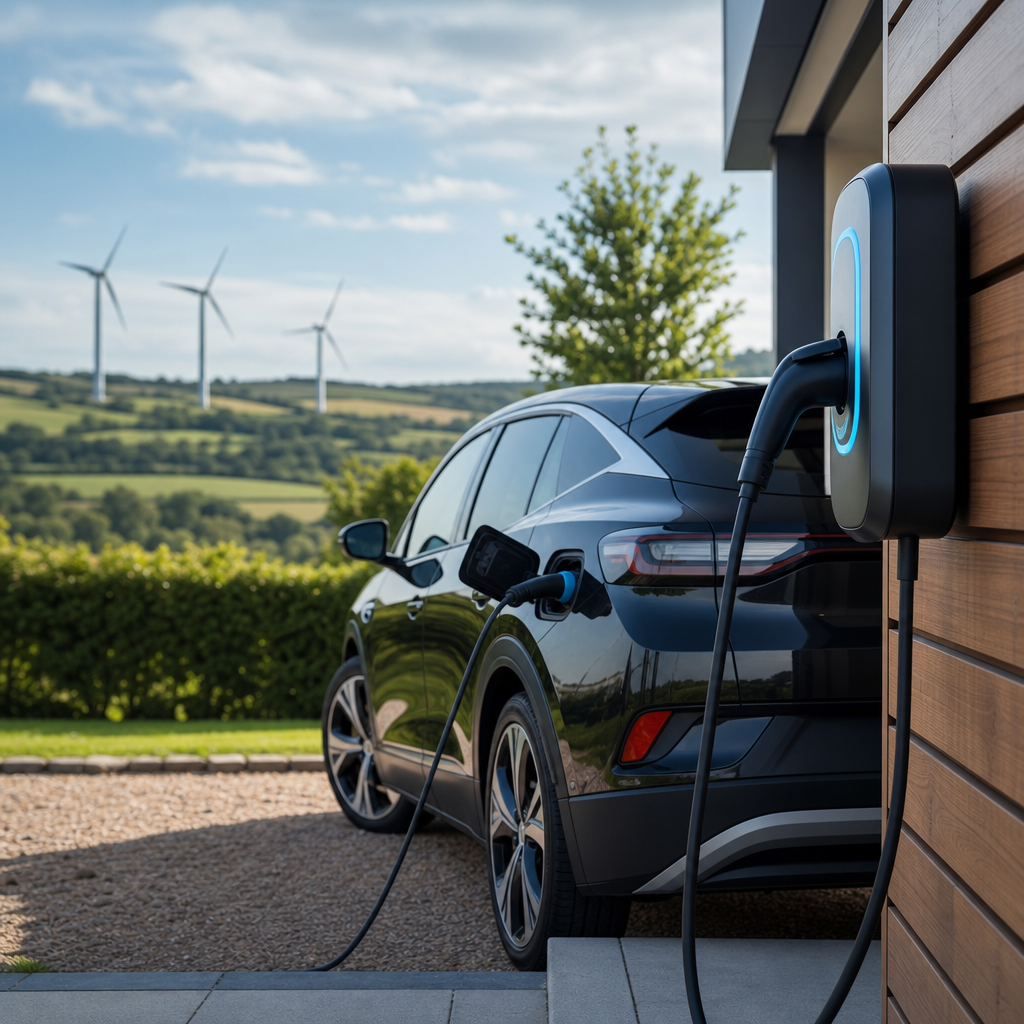
2. Dedicated Home Wallbox (7kW): This is the recommended solution for home charging. A 7kW wallbox is typically installed on an external wall, connected directly to your home's electricity supply.
- Pros: Faster (around 30 miles of range per hour), safer, and often 'smart' – allowing you to schedule charging for off-peak electricity tariffs. Most come with a tethered Type 2 cable or a universal Type 2 socket.
- Installation Considerations:
- Qualified Electrician: Always use an OZEV-approved, qualified electrician. They'll conduct a survey to ensure your home's electrical supply and earthing are suitable.
- Cost: While the OZEV grant for homeowners has largely ceased, grants are still available for landlords and those living in flats. Even without a grant, the long-term savings often justify the upfront cost (typically £800-£1,200 installed).
- Smart Features: Many wallboxes integrate with apps, allowing you to monitor usage, set schedules, and even balance the load with other household appliances to prevent tripping your main fuse. These features are invaluable for optimising charging costs.
Future-Proofing Your Home Setup: While 7kW is ample for most, if you have a larger property with a three-phase electricity supply (common in some commercial properties, but rare in residential), you could install an 11kW or 22kW AC wallbox. However, most EVs won't be able to utilise the full 22kW AC speed, with many capped at 11kW or even 7kW AC charging regardless of the supply. Always check the car's maximum AC charging rate.
Navigating the UK's Public Charging Networks and App Ecosystems
Once you venture beyond your driveway, you'll encounter a diverse and rapidly expanding public charging network. The UK boasts thousands of charge points, but understanding how to use them efficiently is key.
1. Types of Public Chargers:
- AC Destination Chargers: Typically 7kW or 22kW, found at supermarkets, leisure centres, hotels, and workplaces. You'll usually need your own Type 2 cable. Ideal for topping up while parked for a few hours.
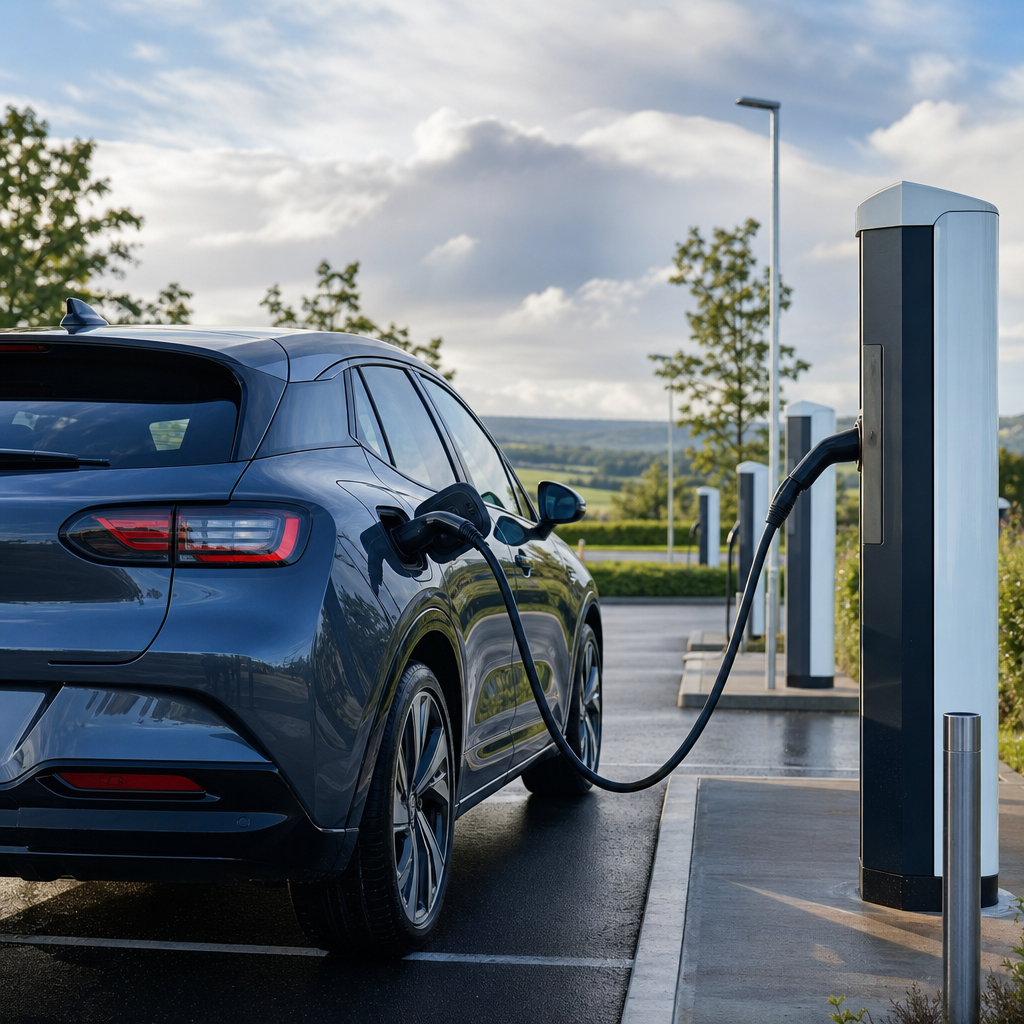
- DC Rapid / Ultra-Rapid Chargers: Primarily 50kW, 150kW, 350kW. Located at motorway service stations, major A-roads, and dedicated charging hubs. These have tethered CCS and/or CHAdeMO cables. Designed for quick top-ups on longer journeys.
2. The "App Mess" and Payment Methods: The UK's charging landscape is fragmented, with many different networks (e.g., Pod Point, InstaVolt, BP Pulse, Shell Recharge, Gridserve, GeniePoint, ESB). Each network historically required its own app or RFID card.
- Solving the Mess: Fortunately, things are improving. More and more rapid chargers now accept contactless bank card payments, making life much easier. Many apps also offer "roaming" agreements, allowing you to use one app across multiple networks.
- Essential Apps: Download charge point mapping apps like Zap-Map and PlugShare. These are invaluable for locating chargers, checking their live status (available/in use/faulty), and filtering by connector type (CCS, CHAdeMO, Type 2) and power output. They also provide pricing information and user reviews.
Practical Tip: Before a long journey, plan your charging stops using Zap-Map, noting down backup options. Prioritise networks that offer contactless payment for ease of use. Always check your chosen used EV's rapid charging standard (CCS or CHAdeMO) and filter accordingly.
Considering Future Charging Technologies and Their Impact on Your EV Choice
While today's charging infrastructure is robust, the technology continues to evolve. Keeping an eye on future trends can help you make a more future-proof choice for your used EV.
1. Higher Power DC Charging: Ultra-rapid chargers (150kW and 350kW) are becoming increasingly common. While exciting, it's worth noting that many older used EVs (especially those from before 2019-2020) might not be able to accept these highest speeds. For example, an older 50kW CCS-equipped EV will still charge at 50kW even when plugged into a 350kW charger. If rapid charging speed is a priority, research the maximum DC charging rate of your specific used EV model.
2. Vehicle-to-Grid (V2G) / Vehicle-to-Home (V2H): This emerging technology allows your EV to not just draw power from the grid, but also send power back to it (V2G) or directly to your home (V2H). This could help balance the grid, save you money by selling electricity during peak times, or even power your home during an outage.
- Compatibility: Currently, only a handful of EVs are V2G/V2H capable (e.g., certain Nissan Leaf models, some newer Hyundai/Kia models with specific hardware). This requires a specific bi-directional charger at home.
- Future Impact: While still niche, if you're planning to keep your used EV for many years and are interested in energy independence, checking for V2G compatibility could be a long-term future-proofing consideration.
3. Wireless (Inductive) Charging: Still largely in the experimental phase for consumer vehicles, wireless charging involves parking over a pad that wirelessly transmits power to your EV. While incredibly convenient, it's not widely available or standardised for general public use. It's unlikely to be a significant factor in your used EV decision for the foreseeable future.
The Dominance of CCS: For rapid charging, CCS is firmly established as the go-to standard for the vast majority of new EVs. While CHAdeMO will remain present for existing vehicles, its long-term expansion is limited. Opting for a used EV with CCS rapid charging offers the greatest future compatibility with new rapid charger rollouts.
Conclusion
Buying a used EV in the UK is an intelligent, forward-thinking decision. By carefully assessing charging infrastructure compatibility – from understanding the charging standards of your prospective vehicle to planning your home charging setup and familiarising yourself with public networks – you can ensure a smooth, enjoyable, and genuinely future-proof driving experience. Use resources like CarsLink.ai to browse available models, cross-reference their charging specifications, and prepare for a greener, more efficient journey ahead. With a little homework, the open road – electric and exhilarating – awaits!