Beyond the Toolbox: Choosing a Used Van with Flexible Interiors for UK Trades
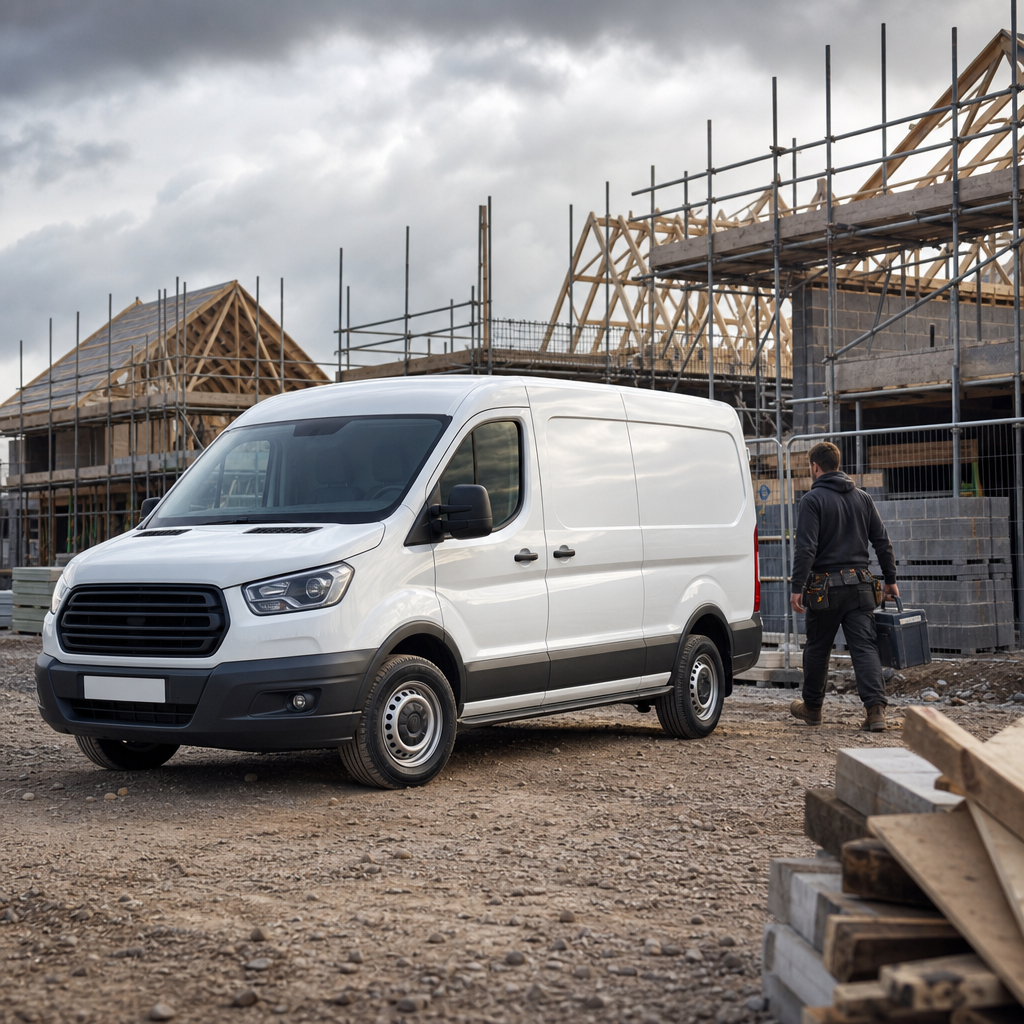
For any tradesperson in the UK, a van isn't just a means of transport; it's a mobile office, a rolling workshop, and often the first impression a client gets of your business. In the demanding world of British trades, efficiency, organisation, and safety are paramount. And when it comes to optimising your daily operations, the interior of your van plays a starring role.
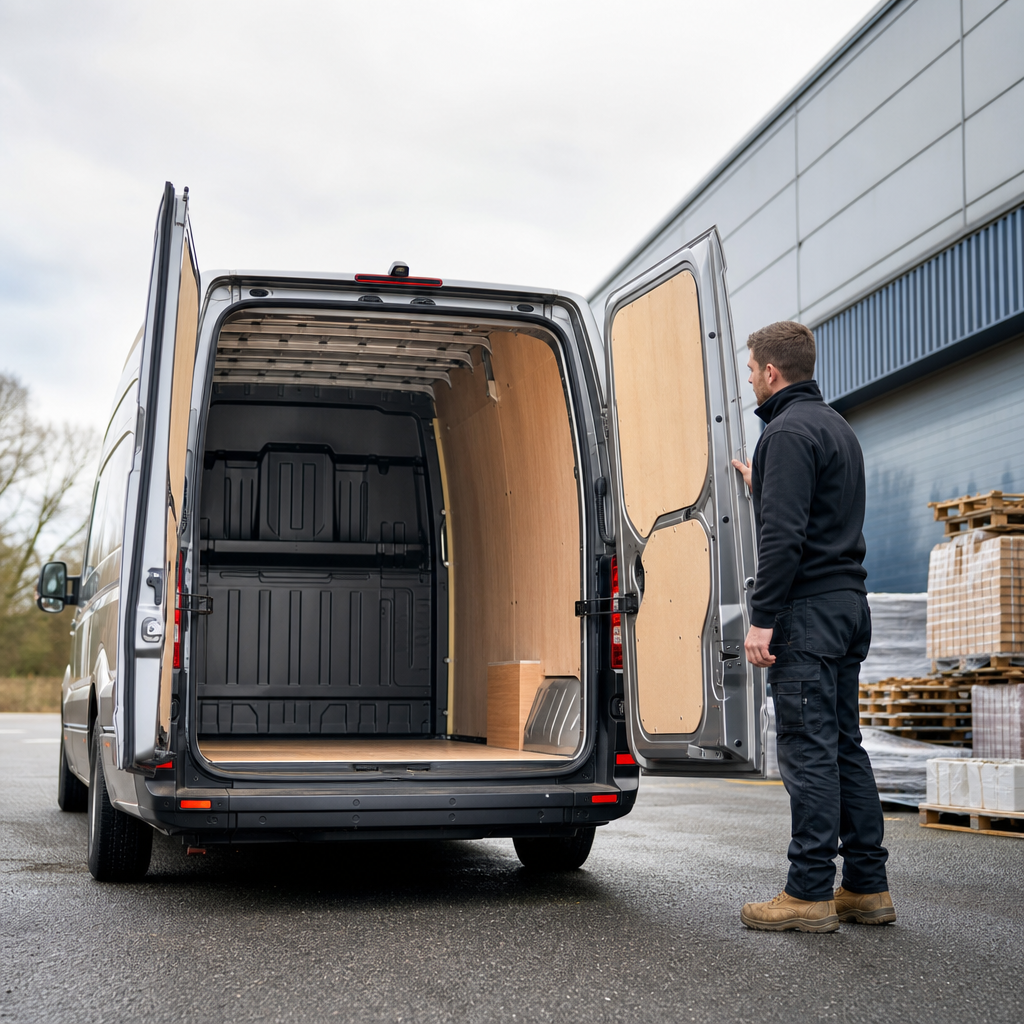
Buying a used van offers excellent value, but the real trick is to find one that either comes pre-fitted with intelligent storage solutions or, crucially, can be easily adapted to your specific needs. Forget just throwing your kit in the back; a well-thought-out interior maximises your productivity, protects your tools, and ensures you remain compliant with health and safety regulations. This guide will walk you through choosing a used van with the flexibility to become your ultimate mobile workspace.
Tailoring Your Mobile Workshop: Assessing Your Trade's Needs
Before you even start browsing van listings, the most critical step is to conduct a thorough audit of your own trade's specific requirements. What do you carry? How often do you access it? Where do you work? Answering these questions will be the blueprint for your ideal van interior.
Storage Needs: Consider the sheer variety of items you transport. An electrician will need secure bins for small electrical components, conduit racking, and dedicated compartments for expensive test equipment. A plumber, on the other hand, might require pipe racks, specific shelving for boiler parts, and trays for various fittings and connectors. Carpenters often need flat storage for sheet materials, secure spots for power tools, and perhaps even a small, integrated workbench area. Think about:
- Size and Weight: From tiny screws to heavy power tools or bulky materials like plasterboard.
- Fragility: Delicate instruments or components need secure, padded storage.
- Consumables: How do you store and quickly replenish items like fixings, adhesives, or sealants?
Organisation and Access: How quickly can you find that specific spanner or the correct screw? Time spent rummaging is money lost. Do you need frequent access to tools from the side door on a busy street, or is most of your unloading done from the rear? Will you be working directly out of the back of the van, requiring a well-lit, accessible layout? Some trades benefit from modular systems that allow quick removal of a tool kit or parts bin to take directly onto a job site.
By meticulously detailing your current challenges and future aspirations for your mobile workspace, you'll be armed with the exact specifications needed to evaluate potential used vans and their interior fit-out possibilities.
Exploring Modular Solutions: Shelving, Racking, and Storage Systems
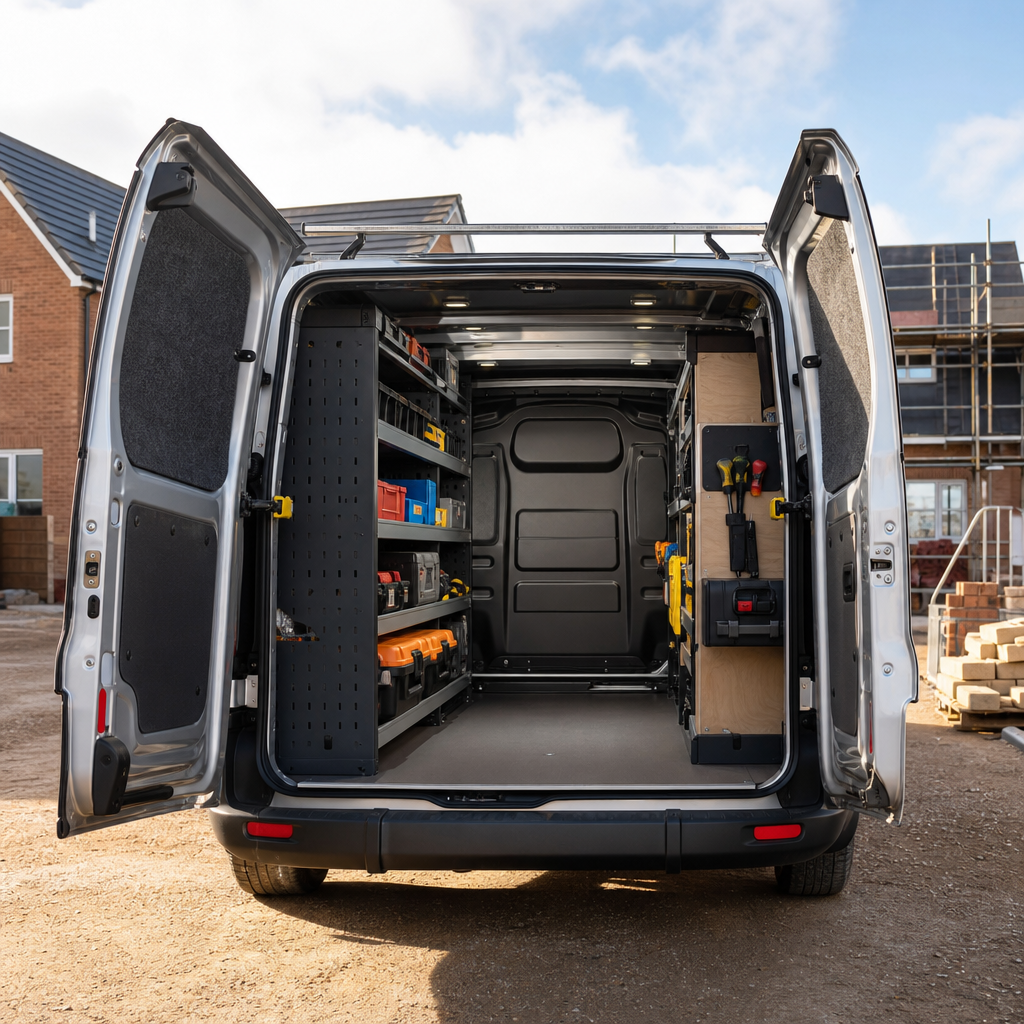
Once you understand your needs, it's time to explore the vast array of modular solutions available that can transform a bare van interior into an organised powerhouse. These systems are designed for flexibility, safety, and durability, often with options for both bespoke and off-the-shelf integration.
Modular Shelving and Racking: These are the backbone of most van fit-outs. Available in plywood, steel, or lightweight aluminium, they provide robust storage for a variety of items.
- Adjustable Shelves: Ideal for accommodating different sized toolboxes, containers, or materials. Plywood shelves are cost-effective and easy to customise, while steel or aluminium offer greater strength and longevity.
- Specialised Racking: For trades like plumbing or electrical, internal pipe racking can keep long lengths of conduit or copper piping secure and damage-free. Some systems even offer roof-mounted internal ladder racking, freeing up roof space and protecting ladders from weather and theft.
Drawer Units: For small parts, fixings, and delicate tools, secure drawer units are indispensable. They keep items organised, protected from rattling around, and easily accessible. Many come with internal dividers and locking mechanisms for added security.
Tool Boards and Panels: Pegboards or slatwall panels can be fitted to bulkheads or side walls, providing a quick-access, visible storage solution for frequently used hand tools, small power tools, or even safety equipment. This keeps items off the floor and prevents them from getting lost or damaged.
Cargo Retention: Beyond static storage, consider load retention. Internal lashing points, cargo rails with adjustable anchor points, and cargo nets are crucial for securing larger items, preventing movement during transit, and protecting both your equipment and the van itself. Some systems integrate these directly into the shelving units.
Whether you're looking for a simple ply-lining and basic shelving or a sophisticated system from a specialist like Sortimo, Tevo, or Bott, the used market often presents vans already fitted out, potentially saving you a significant sum compared to buying new and customising. Just ensure the existing fit-out aligns closely with your specific requirements.
Safety, Security, and Compliance: Essential Considerations
An organised van isn't just about efficiency; it's fundamentally about safety, security, and adhering to legal requirements. Neglecting these aspects can lead to accidents, theft, and costly fines.
Load Security: This is non-negotiable. Any item in your van, from a small drill bit to a heavy compressor, becomes a potential projectile in the event of sudden braking or a collision. A sturdy bulkhead (the partition between the load area and the cab) is legally required in most commercial vans and vital for protecting the driver and passengers. Beyond that, ensure all shelving, racking, and storage units are securely fixed to the van's chassis or reinforced body points. Use straps, nets, and secure compartments to prevent tools and materials from shifting.
Interior Lighting: Working in dimly lit vans is inefficient and dangerous. Good interior lighting, preferably LED strips, should be fitted throughout the load area. Consider task lighting in specific work zones if you often work directly from the van's interior, such as a workbench area. This enhances visibility, reduces the risk of accidents, and makes finding tools quicker, especially during early mornings or late evenings.
Health & Safety Compliance: Pay attention to manual handling. Can heavy items be loaded and unloaded safely? Are there clear gangways to prevent trips and falls? Ensure floor surfaces are non-slip, especially if you carry liquids or work in wet conditions. Remember your van is an extension of your workplace, and it must comply with relevant Health & Safety Executive (HSE) guidelines.
Weight Distribution and Payload: Always be mindful of your van's maximum payload. Adding heavy shelving, tools, and materials can quickly push you over the legal limit, affecting handling, fuel economy, tyre wear, and potentially invalidating your insurance. Distribute weight as evenly as possible to maintain vehicle stability. Check the van's Gross Vehicle Weight (GVW) on the vehicle plate and deduct its unladen weight to find its maximum payload.
Identifying Adaptable Used Vans for Your Trade
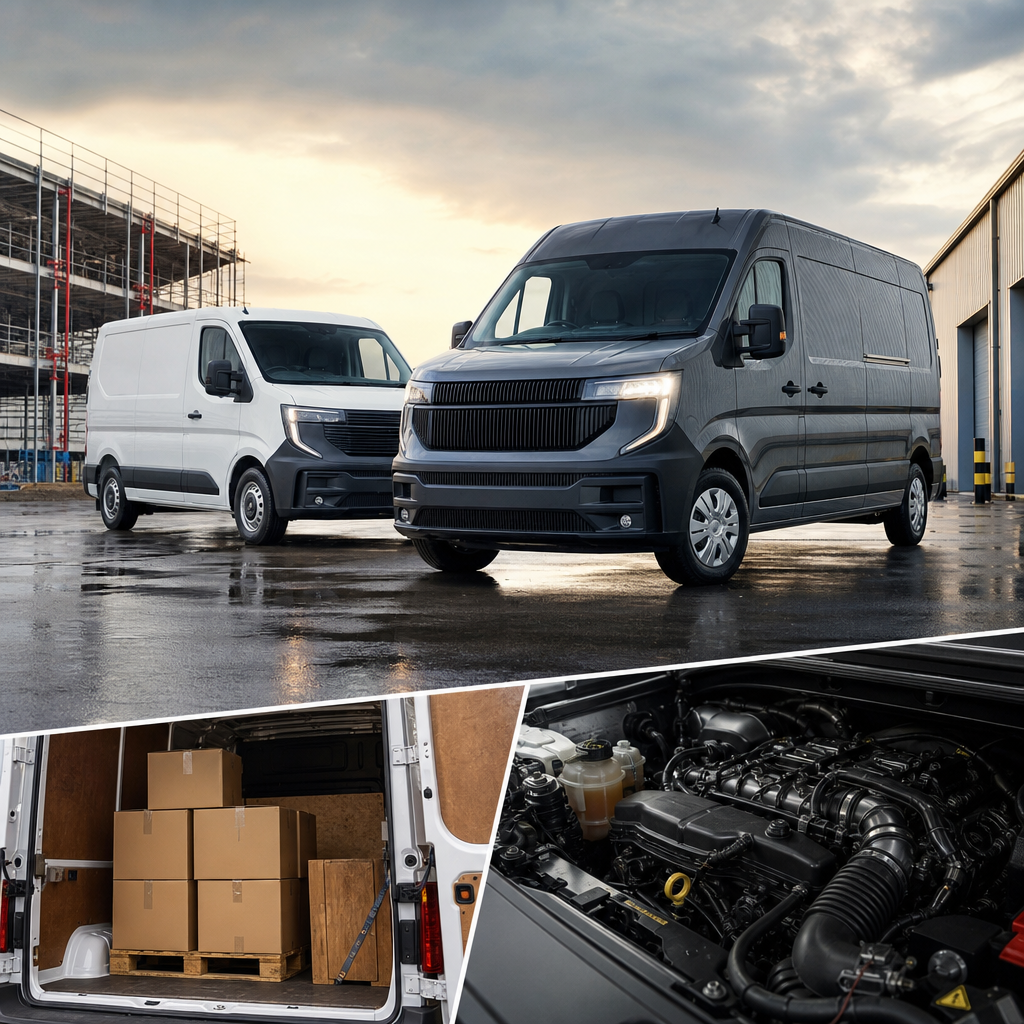
Now you know what you need and what's available, it's time to identify which used vans are the best candidates for your flexible interior solutions. The key is to look at load space dimensions, accessibility, and the aftermarket support for modifications.
Van Size Categories:
- Small Vans (e.g., Ford Transit Connect, VW Caddy, Vauxhall Combo): Excellent for city driving and trades that carry smaller, lighter loads. Their compact size makes them nimble, but interior customisation options are naturally more limited. However, clever racking can still create a highly efficient space.
- Medium Vans (e.g., Ford Transit Custom, Vauxhall Vivaro, VW Transporter, Peugeot Expert/Citroën Dispatch/Toyota Proace): These are the workhorses of the UK, offering a fantastic balance of payload, load space, and manoeuvrability. They come in various lengths and heights, and there's a huge aftermarket for interior fit-outs, making them incredibly adaptable.
- Large Vans (e.g., Ford Transit, Mercedes Sprinter, VW Crafter, Renault Master): For trades requiring significant storage, heavy payloads, or the ability to stand up inside, large vans are ideal. They offer the most scope for extensive bespoke fit-outs, including dedicated workshops or multi-zone storage.
Key Features to Look For:
- Load Space Dimensions: Crucially, check the internal length, width (especially between wheel arches), and height of the load area. This will determine what shelving units, pipe racks, or material sizes you can realistically fit.
- Side and Rear Door Access: Do you need single or twin side loading doors? Twin rear doors are standard, but consider whether a single, larger barn-style door would suit your access needs better.
- Flat Load Floor: A flat, unobstructed load floor makes installing modular systems much easier and more stable. Minimal wheel arch intrusion also maximises usable space.
- Bulkhead: Ensure the van has a sturdy bulkhead. If you're looking at pre-fitted options, check how the existing fit-out is attached to it.
- Pre-fitted Vans: When considering a used van that already has shelving or racking, inspect it thoroughly. Is it well-installed and sturdy? Does it meet your needs exactly, or can it be easily modified? Sometimes a pre-fitted van can be a bargain, but ensure you're not paying for a setup that's completely wrong for you.
Vans like the Ford Transit Custom, with its popularity and vast aftermarket support, are often a safe bet for easy modification. The Stellantis medium van quartet (Vauxhall Vivaro, Citroën Dispatch, Peugeot Expert, Toyota Proace) also share platforms and offer good options for customisation. For smaller needs, the VW Caddy and Ford Transit Connect are incredibly versatile.
Conclusion
Your van is more than just a tool; it's a critical component of your business's success. By approaching the purchase of a used van with a focus on its interior flexibility, you can create a mobile workspace that not only boosts your efficiency and professionalism but also ensures the safety and security of your valuable equipment.
Take the time to assess your trade's unique requirements, research the multitude of modular storage solutions available, and prioritise safety and compliance in your design. Finally, choose a base van that offers the physical space and adaptability you need, whether it’s a compact urban runaround or a spacious long-wheelbase behemoth. A well-organised van is an investment that pays dividends, saving you time, reducing stress, and ultimately enhancing your bottom line. Start your search for the perfect foundation for your mobile workshop on CarsLink.ai today.