All-Weather Warrior: Essential Seasonal Maintenance for Your Used UK Car
The British weather is, to put it mildly, famously unpredictable. From scorching summer days to icy winter mornings, our cars are put through their paces all year round. While modern vehicles are robust, even the most reliable used car needs a bit of seasonal TLC to remain a dependable "all-weather warrior." For owners of used cars in the UK, proactive maintenance isn't just about passing the MOT; it's about ensuring safety, reliability, and ultimately, saving money on costly repairs down the line.
At CarsLink.ai, we believe an informed driver is a safer driver. This guide outlines the essential seasonal checks and maintenance tasks that will help your used car conquer whatever the UK climate throws its way, keeping you on the road safely and efficiently.
Battling the Brrr: Crucial Winter Preparation
Winter is arguably the toughest season for any vehicle, and particularly for used cars where components might already have some wear. Getting your car ready for the cold snap can prevent a multitude of headaches.
First on the list is antifreeze, or coolant as it’s often referred to. This vital fluid prevents your engine’s cooling system from freezing solid in sub-zero temperatures, which can cause catastrophic damage, including a cracked engine block. It also contains corrosion inhibitors that protect metal components. Check the coolant level in the expansion tank when the engine is cold – it should be between the 'min' and 'max' marks. More importantly, have its concentration checked by a professional using a refractometer. Too weak a mix, and it won't protect against freezing; too strong, and it reduces cooling efficiency. Different cars require different types of coolant (e.g., OAT, HOAT, IAT), so always top up or replace with the manufacturer-specified fluid.
Next, focus on your battery health. Cold weather significantly reduces a battery's efficiency and increases the electrical demand from components like heaters, heated seats, and lights. A battery that might just about cope in warmer months could easily fail on a frosty morning. Look for signs of weakness: slow engine cranking, dim headlights when the engine isn't running, or a battery warning light. You can check the voltage with a multimeter (aim for 12.6V or above when off), but a professional load test is the most accurate way to assess its condition. Keep terminals clean and free from corrosion, and if your car isn't used frequently, consider a trickle charger to maintain its charge.
Finally, consider winter tyres (or good quality all-season tyres). While not legally mandatory in the UK, they offer vastly superior grip, braking performance, and handling when temperatures drop below 7°C – which is often for much of autumn, winter, and spring across the UK. Their softer rubber compound and intricate tread patterns with deep sipes are designed to bite into snow and ice, and disperse slush and water more effectively than standard summer tyres. Switching to a dedicated set of winter tyres from October/November to March/April can dramatically improve your safety and confidence in adverse conditions.
Sunshine & Smooth Rides: Essential Summer Care
While winter presents obvious challenges, summer also brings its own demands, particularly on your car’s cooling and air conditioning systems. Overheating can be just as damaging as freezing, so a little preventative care goes a long way.
A fully functioning air conditioning system is a godsend during a heatwave and also crucial for demisting your windscreen quickly in humid conditions. If your A/C isn't blowing as cold as it used to, or if you notice a musty smell, it's likely time for a service. This usually involves a re-gas (topping up the refrigerant), a leak check, and an anti-bacterial clean to eliminate mould and bacteria that can grow in the system. Aim for a service every 2-3 years to keep it running efficiently and prevent bigger problems.
Beyond the A/C, pay close attention to the overall cooling system. This includes not just the coolant level but also inspecting the radiator for any visible leaks or bent fins that could impede airflow. Check the condition of all cooling system hoses for cracks, bulges, or excessive softness/hardness, which can indicate impending failure. Ensure the radiator fan kicks in when the engine gets hot; a malfunctioning fan can quickly lead to overheating in slow-moving traffic. Always top up with the correct coolant type, specified by your car’s manufacturer.
Lastly, fluid levels need a general check-up. While essential year-round, hot weather places extra demands on fluids. Ensure your engine oil is at the correct level and consider when it was last changed. Brake fluid absorbs moisture over time, reducing its effectiveness, especially in heat; it typically needs replacing every two years. Power steering fluid should also be checked. And don't forget windscreen washer fluid – a good summer mix with bug remover is invaluable for maintaining visibility against summer splatters.
Tyres: Your Year-Round Connection to the Road
Your tyres are the only part of your car that touches the road, making their condition paramount for safety in all seasons. Consistent attention to them is non-negotiable.
Correct tyre pressure is vital for safety, fuel economy, and tyre longevity. Under-inflated tyres increase rolling resistance, leading to higher fuel consumption and excessive heat build-up, which can cause blowouts. Over-inflated tyres reduce grip and lead to uneven wear. Check your pressures weekly when the tyres are cold, comparing them against the manufacturer’s recommendations found in your car’s manual or on a sticker inside the driver’s door jamb or fuel filler cap. Remember that pressure will naturally drop in colder weather and rise in warmer conditions, so adjust accordingly. And don't forget to check the pressure of your spare tyre!
Tread depth is another critical safety factor. The legal limit in the UK is 1.6mm across the central three-quarters of the tread around the entire circumference. However, for optimum wet weather grip and aquaplaning resistance, many experts recommend replacing tyres when the tread reaches 3mm. You can check this with a dedicated tread depth gauge or by looking for the built-in tread wear indicators (small raised bars in the main grooves). Worn tyres significantly increase braking distances, especially in the wet – a dangerous compromise in our often-damp climate.
Consider tyre rotation as part of your regular maintenance schedule. Because front and rear tyres wear differently (front tyres often wear faster due to steering and braking forces), rotating them every 5,000-8,000 miles can promote more even wear across all four tyres, extending their overall lifespan and ensuring consistent handling characteristics. This is often done as part of a routine service.
General Seasonal Checks: Beyond the Big Two
While specific seasonal preparations are vital, a few general checks should be part of your routine throughout the year, ensuring optimal performance and safety regardless of the weather.
Your wipers and washer system are crucial for maintaining clear visibility. Worn wiper blades can streak, squeak, or fail to clear the windscreen effectively, which is dangerous in rain, snow, or even just heavy spray from other vehicles. Replace blades biannually, typically in spring and autumn, to ensure they’re always in top condition. Regularly top up your washer fluid, using a mix appropriate for the season – an anti-freeze additive in winter and a bug-remover formula in summer. Also, check that the washer jets are clear and spray correctly onto the windscreen.
Ensure all your lights are functioning. This includes headlights (dipped and main beam), sidelights, indicators, brake lights, reverse lights, fog lights, and even your number plate lights. Ask a friend to help you check the brake lights, or reverse up to a reflective surface. Proper lighting is not just about you seeing the road, but also about other road users seeing you, which is paramount in the variable UK light conditions, from gloomy winter mornings to dazzling summer evenings. Clean the lenses regularly to maximise light output.
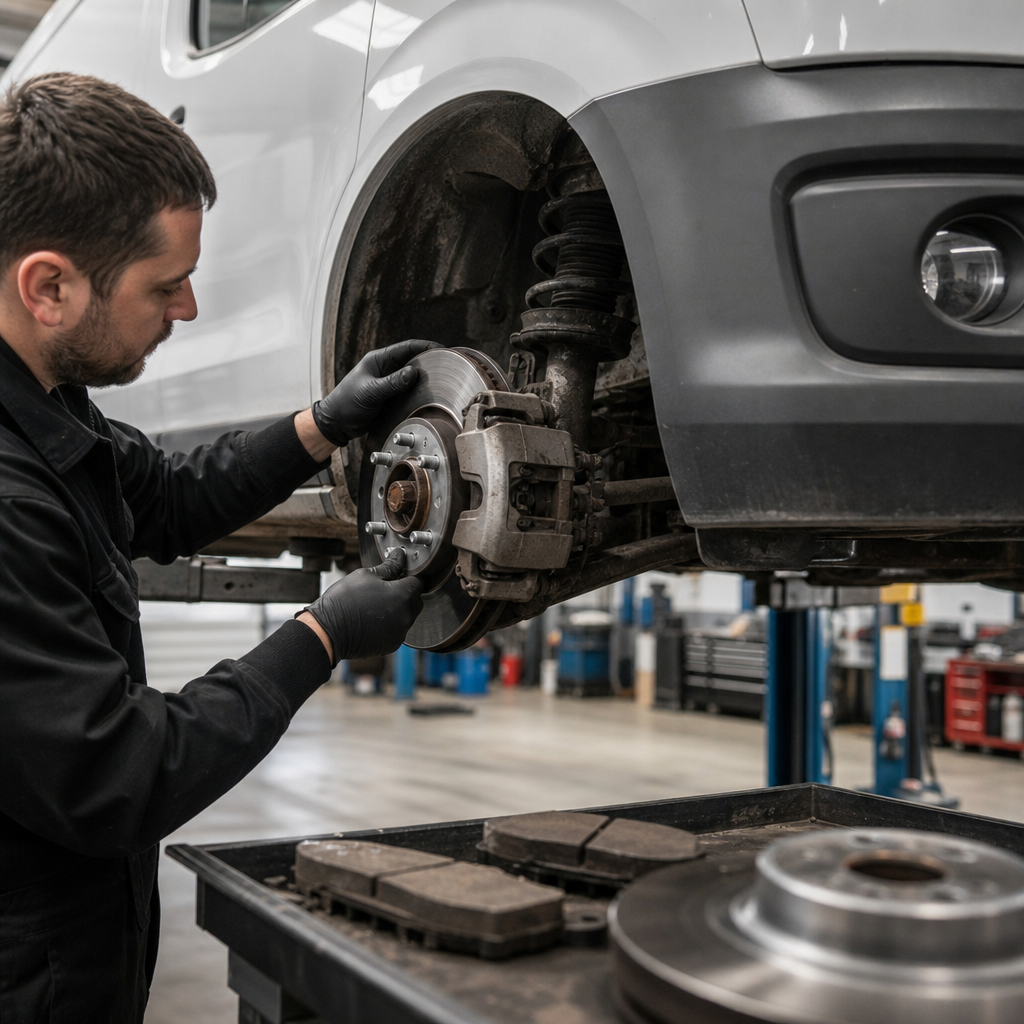
Finally, keep a keen eye and ear on your brakes. Listen for any unusual sounds like squealing or grinding, which can indicate worn brake pads. Pay attention to how the pedal feels – a spongy pedal or one that goes too far down can suggest a fluid issue, while pulling to one side or vibration under braking could point to disc or caliper problems. While a visual check of pad thickness (if accessible) is useful, a professional inspection of your entire braking system is essential during routine servicing.
Conclusion
Treating your used car to regular, seasonal maintenance isn't a luxury; it's a necessity for safe and reliable driving on UK roads. By proactively addressing winter preparations, summer care, consistent tyre health, and general year-round checks, you’re not just looking after your vehicle – you're investing in your safety, preventing inconvenient breakdowns, and extending the life of your purchase.
Consult your car’s owner’s manual for specific fluid types and maintenance schedules, and don't hesitate to seek advice from a trusted mechanic. With a little effort, your used car from CarsLink.ai can indeed be an "all-weather warrior," ready to tackle whatever the British weather throws its way. Safe driving!