
1979 TRIUMPH SPITFIRE 1.5 2dr
1.5 2dr
Price
£6,950
Used CarDealer: Ross Harvey
18 vehicles listed
You'll be redirected to the dealer's website to enquire or purchase.
Speak directly with the dealer about this vehicle.
Send an enquiry directly to the dealer's inbox.
AI-generated summary from reviews gathered across the web.
Vehicle history check — stolen, write-off, finance & mileage. Powered by AutoProv.

Vehicle Specifications
Description
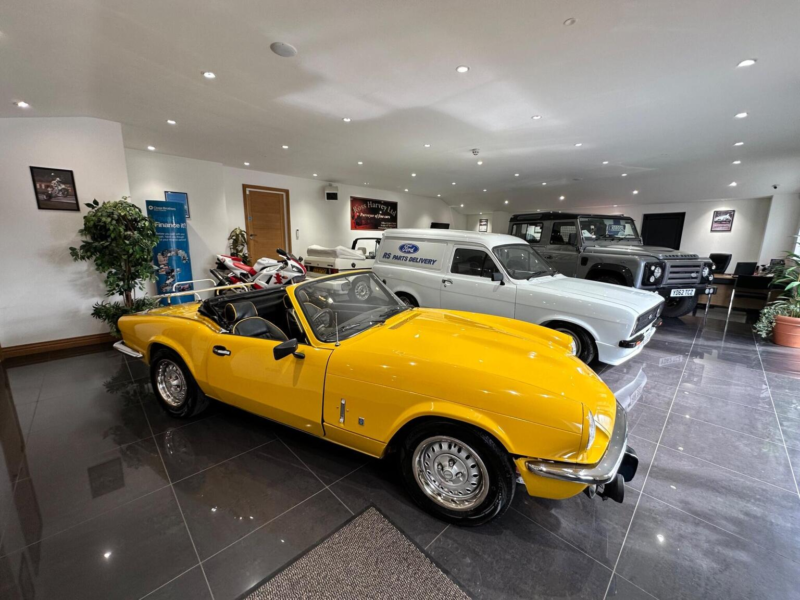
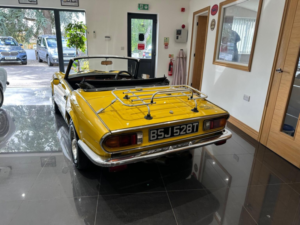
This Spitfire has been taken in part exchange against a TR6 we have recently sold on behalf of a long standing customer, he has asked us to dispose of it for him. The Spit fire was used by it's previous owner as a daily driver, therefore it is not a show queen, however it presents well for it's age and the chap who part exchanged it with us drove it 50 miles from Bristol to get to us. I have driven it on a short test drive and it drives well, the engine, clutch and gearbox all feel and sound good.
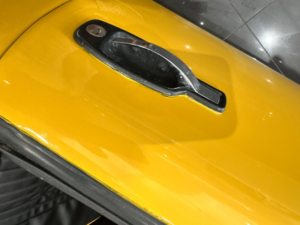
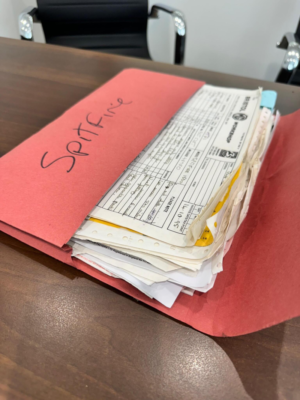
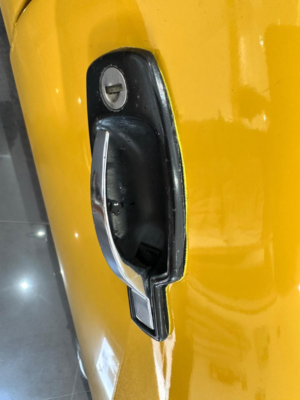
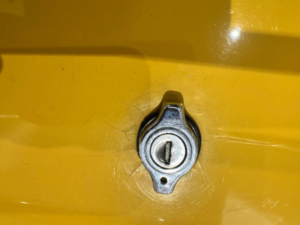
The 2 door were painted recently apparently but the body shop didn't remove the door handles or scraper moldings (see photos), there is some paint blistering around the brake fluid reservoir, a bit of crazed paint around the boot lock. All tyres are nearly new, chassis was painted in body colour and appears solid. A file full of paper work. 7 previous keepers.
Mileage is showing 59,000 but we cannot confirm this is correct. Please phone to arrange a viewing.
About the Triumph Spitfire
The Triumph Spitfire is an iconic British two-seater sports car, produced from 1962 to 1980. Renowned for its nimble handling, accessible open-top driving experience, and classic styling, it embodies the spirit of affordable British motoring. It appeals to classic car enthusiasts, weekend drivers, and anyone looking for a charming, relatively simple, and engaging vintage car experience in the UK. The Spitfire maintains a strong reputation as one of the most approachable and popular entry-level classic sports cars on the market.
Why Buy a Used Triumph Spitfire?
- Timeless Classic Styling: Its elegant lines and open-top design offer undeniable curb appeal and a quintessential British roadster experience.
- Engaging Driving Dynamics: Lightweight and agile, the Spitfire delivers a direct and unfiltered driving experience that modern cars often lack.
- Simple Mechanics and Maintenance: With straightforward engineering, many tasks can be undertaken by a competent home mechanic, keeping running costs down.
- Strong Club and Parts Support: A vibrant enthusiast community and excellent parts availability make owning and maintaining a Spitfire relatively easy.
Typical Price Range
All prices are approximate and subject to change based on condition, mileage, specification, and market conditions.
- 1962–1967 (Mk1/Mk2): £8,000 – £15,000 — Early models, often more sought after by purists for their original design, with top examples fetching higher prices.
- 1967–1974 (Mk3/MkIV): £6,000 – £12,000 — These represent a sweet spot for many, offering good performance and improved handling for a fair price.
- 1974–1980 (1500): £5,000 – £10,000 — The most common and often the most refined, offering the largest engine and more comfortable cruising ability.
Common Issues to Check
- Rust: Thoroughly inspect sills, chassis outriggers, boot floor, inner wings, and door bottoms. Rust is the Spitfire's biggest enemy.
- Electrics: The Lucas electrical system can be temperamental. Check all lights, gauges, wipers, and indicators for proper function.
- Overheating: Ensure the cooling system is in good order, checking the radiator, hoses, and water pump for leaks or efficiency issues.
- Gearbox and Overdrive: Test all gears for smooth selection and listen for crunching synchros. If fitted, ensure the overdrive engages and disengages cleanly.
- Rear Suspension: Later models (MkIV and 1500) had improved rear suspension, but check for worn bushes, sagging springs, and excessive camber. Early swing-axle cars can be twitchy.
Running Costs
- Fuel Economy: Generally between 25-35 mpg, depending on engine size, tuning, and driving style.
- Insurance Group: Typically falls into specialist classic car insurance categories, often significantly cheaper than modern equivalents for drivers with good records.
- Servicing: Basic maintenance is straightforward and parts are readily available and affordable. Many owners perform servicing themselves, otherwise, specialist garages can be found.
Which Variant Should I Choose?
- Spitfire Mk1/Mk2: Ideal for the purist seeking the earliest and most original design. These are becoming rarer and often command higher prices, appealing to collectors.
- Spitfire Mk3: Often considered the best all-rounder, combining the classic styling with a slightly more powerful 1296cc engine. Great for enthusiastic driving.
- Spitfire MkIV: Features a more modern rear styling and an improved swing-spring rear suspension for better handling. A good choice for those wanting a slightly more refined drive.
- Spitfire 1500: The most powerful variant with a 1493cc engine, offering more torque for relaxed cruising. It's the most common and often the easiest to find parts for, making it a great entry point into classic ownership.
All listings on Carslink.ai are sourced directly from dealer stock feeds. Always verify listing details, prices, and vehicle condition directly with the seller before purchasing.