Your Ride, Your Way: Demystifying Used Motorcycle Finance Options in the UK
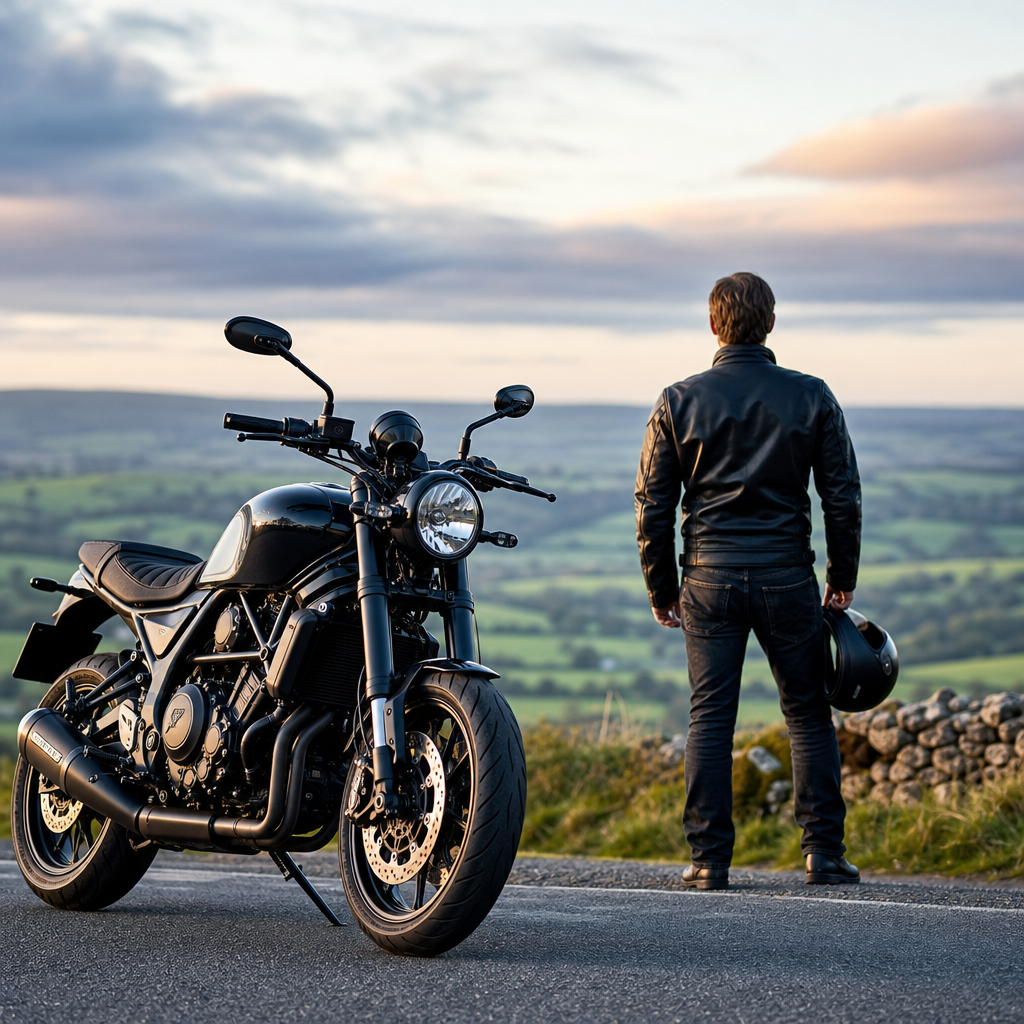
The open road, the wind in your face, the roar of an engine – few experiences rival the thrill of motorcycling. For many aspiring riders in the UK, a used motorcycle offers the perfect entry point or an affordable upgrade to their dream machine. But once you’ve found that ideal pre-loved steed on CarsLink.ai, the question of how to fund your purchase often rears its head. Navigating the world of motorcycle finance can seem as complex as stripping down a carburettor, but it needn't be.
This guide aims to demystify the primary finance options available in the UK for used motorcycles, helping you make an informed decision that suits your budget, lifestyle, and riding aspirations. We'll explore the popular routes of Hire Purchase and Personal Contract Purchase, weigh up the merits of personal loans versus dealer finance, and decode the crucial financial jargon you'll encounter along the way. Get ready to swap financial headaches for helmet hair!
Hire Purchase (HP): The Path to Ownership
Hire Purchase (HP) is a straightforward and popular finance option for those who know they want to own their motorcycle outright at the end of the agreement. It’s essentially a loan secured against the bike itself.
How it works: You pay an initial deposit, then make fixed monthly payments over an agreed term (typically 2-5 years). The finance company technically owns the motorcycle until you’ve made the very last payment, at which point ownership transfers to you.
Benefits:
- Clear path to ownership: If your goal is to own the bike without a large lump sum at the end, HP delivers.
- Fixed monthly payments: Your payments remain consistent throughout the term, making budgeting simpler.
- Accessible: Often available to a wider range of credit scores compared to unsecured loans, as the bike acts as collateral.
- No mileage restrictions: Unlike some other options, you’re free to ride as much as you like, as the bike will eventually be yours.
Drawbacks:
- Higher monthly payments: Generally, HP payments are higher than those for a comparable bike on a Personal Contract Purchase (PCP), as you’re paying off the full value of the motorcycle.
- You don’t own it until the end: If you struggle with payments, the bike can be repossessed by the finance company.
- Less flexibility: If your circumstances change, exiting the agreement early can incur fees, and selling the bike while under HP requires settling the outstanding balance.
Example: Imagine you've found a superb used Honda CB500X for £5,000. With a £500 deposit on a 4-year HP agreement, your monthly payments might be around £115-£130, depending on the APR. At the end of the 48 months, the Honda is officially yours.
Personal Contract Purchase (PCP): Flexibility for the Future
Personal Contract Purchase (PCP) has become incredibly popular in the UK, offering lower monthly payments and significant flexibility at the end of the agreement. It's designed for those who enjoy changing their bike every few years or prefer lower ongoing costs.
How it works: With PCP, you pay an initial deposit, then make monthly payments over a term (typically 2-4 years). However, these payments only cover the depreciation of the bike's value during that period, not its full cash price. The finance company forecasts a Guaranteed Future Value (GFV) for the bike at the end of the term.
At the end of the agreement, you have three options:
- Return the bike: Hand the bike back to the dealer. Provided you've kept within the agreed mileage and condition limits, you'll have nothing more to pay.
- Buy the bike: Pay the GFV (often called a 'balloon payment') and take full ownership of the motorcycle.
- Part-exchange: Use any "equity" (if the bike is worth more than the GFV) as a deposit towards a new or different used motorcycle on a new PCP deal.
Benefits:
- Lower monthly payments: As you're only financing the depreciation, monthly outgoings are significantly lower than HP for a similar bike.
- Flexibility: The choice at the end of the term is a major draw for those who like to upgrade regularly.
- Access to newer/higher-spec bikes: Lower payments can make a more expensive motorcycle, like a used BMW R1200GS, more attainable.
Drawbacks:
- Mileage restrictions: You'll agree to an annual mileage limit. Exceeding this will result in charges when you return the bike.
- Condition clauses: The bike must be returned in "fair wear and tear" condition. Damages beyond this will incur charges.
- Not true ownership (unless you pay the GFV): If you don't make the final balloon payment, you don't own the bike.
- Potentially higher total cost if you buy: If you decide to pay the GFV and own the bike, the total amount paid (deposit + monthly payments + GFV) can sometimes be higher than if you'd financed it with HP from the outset.
Example: You’re eyeing a used Kawasaki Z900 priced at £7,500. With a £750 deposit on a 3-year PCP agreement, your monthly payments could be around £100-£120, with a GFV of, say, £3,500. At the end, you can hand it back, pay the £3,500 to own it, or use any equity towards your next bike.
Personal Loans vs. Dealer Finance: Weighing Your Options
When considering how to finance your used motorcycle, you'll typically face a choice between obtaining a personal loan from a bank or credit union, or opting for finance arranged through the dealer. Both have distinct advantages and disadvantages.
Personal Loan (Unsecured): A personal loan is an unsecured loan, meaning it's not tied to the motorcycle itself. You borrow a sum of money from a bank or other lender, and you use that cash to buy the bike outright.
Pros:
- Immediate ownership: You own the motorcycle from day one, giving you full control over it. No mileage limits or condition clauses to worry about.
- Freedom to sell: As you own the bike, you can sell it at any time without involving a finance company (though you’ll still be liable for the loan repayments).
- Shop around for rates: You can compare offers from various banks and lenders to secure the most competitive Annual Percentage Rate (APR).
- No collateral: The loan isn’t secured against your bike, so if you default, the bike isn't automatically at risk (though your credit score will be severely impacted).
Cons:
- Requires good credit: The best rates are usually reserved for those with excellent credit scores. If your credit history is patchy, rates can be significantly higher, or you may be declined.
- Application process: It’s a separate application process from the bike purchase, which can add a layer of administration.
- Loan amount limits: Some lenders might cap personal loan amounts, which could be an issue for very expensive bikes.
Dealer Finance (HP or PCP): This is finance arranged directly through the motorcycle dealer, often facilitated by a third-party finance provider they work with.
Pros:
- Convenience: It’s a 'one-stop shop'. You find the bike, and the dealer helps you sort the finance there and then.
- Special offers: Dealers sometimes have access to preferential rates or manufacturer contributions, especially on newer used models, which can make their finance very competitive.
- Tailored to the bike: The finance package is specifically structured around the motorcycle you're buying.
- Potentially more flexible for varied credit: While not guaranteed, dealers might have a broader panel of lenders, potentially offering options to those with a less-than-perfect credit history (though expect higher APRs).
Cons:
- Rates might not always be the best: While convenient, dealer finance isn't always the cheapest option. It’s always wise to compare with personal loan offers.
- Less room for negotiation on price: If you're taking dealer finance, they might be less willing to heavily discount the cash price of the bike, as they earn commission on the finance.
- Tied to the dealer/finance company: If you have issues with the bike, your finance agreement is with a specific provider, which can sometimes complicate matters.
Ultimately, the choice between a personal loan and dealer finance depends on your credit profile, your preference for outright ownership, and how much you value convenience over potentially securing the absolute lowest APR. Always get a quote for both before committing.
Decoding the Jargon: Key Terms to Understand
The world of finance is riddled with acronyms and terms that can confuse even the most astute buyer. Understanding these key concepts will empower you to compare offers effectively and make the best decision for your circumstances.
APR (Annual Percentage Rate): This is arguably the most crucial figure when comparing finance deals. The APR represents the true annual cost of borrowing, expressed as a percentage. It includes not just the interest rate, but also any mandatory fees and charges associated with the loan. A higher APR means you pay more for your borrowing. Always compare deals based on their APR to get an accurate picture of the total cost. For example, one deal might have a lower headline interest rate but a higher APR due to additional fees, making it more expensive overall.
Deposit Requirements: A deposit is the initial lump sum you pay upfront towards the cost of the motorcycle. While not always mandatory, paying a deposit almost always reduces your overall borrowing and, consequently, your monthly payments and the total interest you’ll pay. A larger deposit often means a more attractive finance offer, as it reduces the risk for the lender. For instance, putting down £1,000 on a £6,000 bike means you only need to finance £5,000, significantly lowering your commitment.
Total Cost of Credit: This is the ultimate figure you need to understand. The total cost of credit is the actual amount you will pay above the cash price of the motorcycle. It's the sum of all interest and any other charges over the life of the agreement.
- For HP: (Monthly payment × Number of months) + Deposit – Cash price of the bike.
- For PCP (if you buy the bike): (Monthly payment × Number of months) + Deposit + Guaranteed Future Value – Cash price of the bike. Comparing the total cost of credit across different finance products (HP vs. PCP if buying, or different lenders) gives you the clearest picture of which option is most economical in the long run.
Term: This refers to the length of the finance agreement, usually expressed in months (e.g., 36 months, 48 months, 60 months). A longer term will result in lower monthly payments but typically a higher total cost of credit, as you're paying interest for a longer period. A shorter term means higher monthly payments but less interest overall.
Equity: This is most relevant for PCP agreements. Equity is the difference between the current market value of your motorcycle and the outstanding finance (including the GFV) on it. If your bike is worth more than the GFV, you have 'positive equity' which can be used as a deposit for your next motorcycle. If it's worth less, you have 'negative equity'.
Conclusion
Embarking on the journey to purchase a used motorcycle in the UK should be an exciting prospect, not a financially daunting one. By understanding the distinct characteristics of Hire Purchase and Personal Contract Purchase, weighing the benefits of personal loans against dealer finance, and decoding critical terms like APR and total cost of credit, you are now equipped to make a choice that truly aligns with your financial situation and riding preferences.
There isn't a single 'best' finance option; the ideal choice depends entirely on your individual needs. Do you prioritise outright ownership and fixed payments? HP might be for you. Do you enjoy upgrading frequently and prefer lower monthly outgoings? PCP could be your perfect fit. Or perhaps the independence of a personal loan is your preference.
Whatever your path, always do your research, compare multiple offers, and ensure you fully understand all the terms and conditions before you sign on the dotted line. Your dream ride awaits, and with the right finance in place, it’s closer than you think. Start your search today on CarsLink.ai and find the perfect used motorcycle to get you out on the open road!