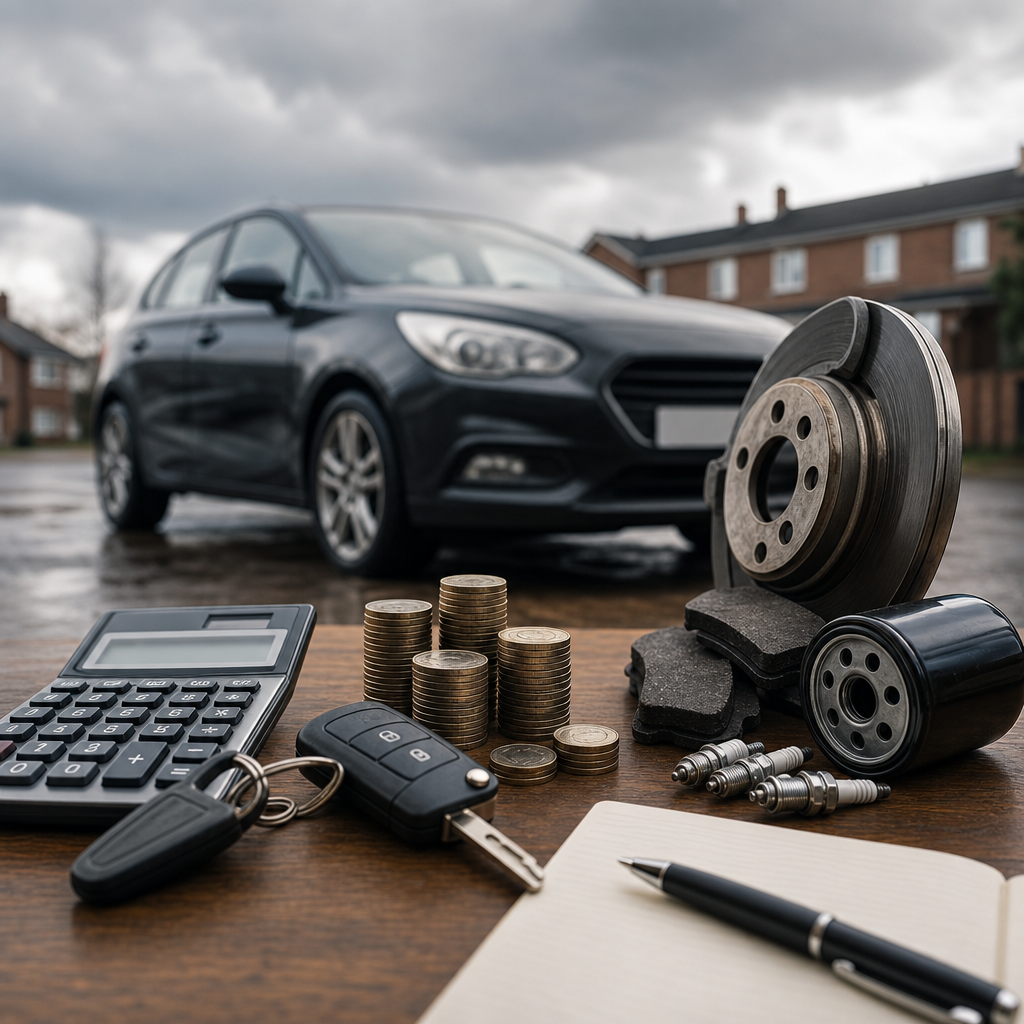
The Hidden Costs: Budgeting Beyond the Sticker Price for Your Used UK Car
The thrill of finding your perfect used car on CarsLink.ai is undeniable. Scrolling through listings, comparing models, and envisioning yourself behind the wheel – it’s an exciting journey. However, for many prospective buyers, the journey often ends at the sticker price, overlooking a whole host of 'hidden' costs that can significantly impact their wallet long after the initial purchase. A used car isn't just an upfront expense; it's a long-term financial commitment that requires careful budgeting beyond that initial figure.
As your trusted UK automotive journalist, my aim is to equip you with the knowledge to budget wisely, ensuring your dream car doesn't become a financial nightmare. From mandatory legal requirements to inevitable wear and tear, understanding the full cost of ownership is crucial for a smooth and enjoyable driving experience. Let's delve into the expenses you need to factor in before shaking hands on your next vehicle.
Understanding the Full Cost of Ownership: Insurance, Road Tax, and Fuel
The journey to true car ownership begins with three fundamental, unavoidable expenses: insurance, road tax, and fuel. These aren't 'hidden' in the sense of being secret, but their cumulative impact is often underestimated.
Car Insurance: This is a legal requirement in the UK, and its cost can vary wildly. Premiums are influenced by a multitude of factors, including your age, driving history, postcode, the car's make and model (its insurance group), and even where you park it overnight. A young driver living in a city centre insuring a high-performance hot hatch will face significantly higher premiums than an experienced driver in a quiet rural area with a modest supermini. It's imperative to get several insurance quotes before you commit to buying a car. Use comparison websites, but also check directly with individual insurers, as not all are listed. Opt for the right level of cover – Third Party Only (the minimum legal requirement), Third Party Fire and Theft, or Comprehensive – but always prioritise adequate protection for yourself and your vehicle.
Road Tax (Vehicle Excise Duty - VED): Commonly known as 'road tax', VED is another mandatory payment. How much you pay depends primarily on the car's registration date and its CO2 emissions. For cars registered before 1st April 2017, the rate is largely based on CO2 output, meaning older, less efficient vehicles can be surprisingly expensive to tax. Cars registered after this date generally fall under a flat annual rate, with an additional 'premium' charge for cars with a list price exceeding £40,000 when new, for five years from the second year of registration. Electric vehicles, at the time of writing, are exempt from VED, making them attractive for those looking to save. Always check the specific VED rate for any car you’re considering on the official GOV.UK website using its registration number.
Fuel: This might seem obvious, but the long-term cost of fuel is frequently underestimated. Manufacturer MPG (miles per gallon) figures are often achieved under ideal test conditions; real-world consumption can be 10-20% higher, especially if you drive predominantly in urban areas. Consider the type of fuel a car uses (petrol, diesel, or if it’s a hybrid or electric vehicle requiring charging). While diesel cars traditionally offered better MPG, the price difference between petrol and diesel at the pumps can vary, and future emissions regulations might make diesel less favourable. For electric cars, the cost isn't just the electricity itself, but potentially the installation of a home charging point and the availability/cost of public charging. A small Ford Fiesta will naturally consume far less fuel than a larger family SUV like a Land Rover Discovery, so match your car choice to your anticipated mileage and driving habits.
Estimating Maintenance, Servicing, and Annual MOT Costs for Different Vehicle Types
Beyond the regular outgoings, you need to budget for the ongoing health and legal compliance of your vehicle. This includes servicing, general maintenance, and the annual MOT test.
Servicing: Like any machine, your car needs regular servicing to remain reliable and efficient. Most manufacturers recommend a service annually or every 10,000-12,000 miles, whichever comes first. Services range from minor (oil and filter change, basic checks) to major (more extensive checks, spark plugs, air filters, cabin filters, brake fluid changes). The cost can vary dramatically based on the car's make and model. Mainstream brands like a Vauxhall Corsa or a Skoda Octavia are generally cheaper to service than premium marques such as a BMW 3 Series or an Audi A4, due to parts costs and specialist labour rates. Opting for an independent garage can often be more cost-effective than a main dealer, but ensure they are reputable and use quality parts. A car with a full, documented service history is a strong indicator it has been well cared for, potentially reducing immediate post-purchase servicing surprises.
Maintenance: This category covers wear-and-tear items and unexpected repairs. Tyres, brake pads, brake discs, and wiper blades are consumables that will need replacing periodically. A set of premium tyres can run into hundreds of pounds, and if the car you're buying needs a full set, that's an immediate cost. Beyond consumables, older cars or those with higher mileage are more prone to needing larger, less predictable repairs – think clutch replacement, timing belt change, exhaust system issues, or DPF (Diesel Particulate Filter) problems. The reliability reputation of a specific model can give you a clue, but it’s always wise to set aside a contingency fund. As a general rule of thumb, experts suggest budgeting 10-20% of the car’s purchase price annually for maintenance on older, higher-mileage vehicles.
Annual MOT (Ministry of Transport) Test: Once a car is three years old, it must undergo an annual MOT test to ensure it meets minimum road safety and environmental standards. While the test itself has a maximum legal fee (currently £54.85), the real cost comes from any repairs needed to pass it. A car with a fresh MOT certificate (especially one with few or no 'advisories') offers peace of mind. If a car's MOT is due soon or expires shortly after purchase, factor in the potential for repair bills. It’s always a good idea to check a car’s MOT history online using its registration number on the GOV.UK website; this can reveal patterns of recurring issues or previous advisories that weren’t addressed.
The Impact of Depreciation on the Long-Term Value of Your Used Car
Depreciation is arguably the most significant 'hidden' cost of car ownership, and it affects used cars just as much as new ones. Simply put, it's the rate at which your car loses value over time. While new cars suffer the steepest depreciation hit in their first few years, a used car continues to depreciate from the moment you drive it away.
Understanding depreciation is crucial because it dictates how much money you effectively lose over your ownership period when you eventually come to sell or part-exchange the vehicle. Several factors influence how quickly a used car depreciates:
- Make and Model: Some cars, like a Volkswagen Golf, Honda Civic, or popular SUVs, are known for holding their value better due to strong demand and reliability. Others, particularly less popular luxury or niche models, can depreciate much faster.
- Mileage and Condition: Higher mileage and poorer cosmetic/mechanical condition will accelerate depreciation. A well-maintained car with a full service history will always command a better resale price.
- Engine Type: The current shift towards electrification means that diesel cars, in particular, are experiencing greater depreciation in some segments. Petrol cars generally hold up better, while hybrids and EVs are showing strong residual values as demand for them increases.
- Market Trends: Economic factors, changes in fuel prices, and evolving consumer preferences can all impact a car's future value.
While you can't stop depreciation entirely, choosing a model with a historically strong residual value, maintaining it meticulously, and keeping mileage sensible can minimise your financial loss over time. Think of it as investing your money wisely – some cars are better investments than others when it comes to retaining value.
Setting a Realistic Budget and Avoiding Unexpected Financial Surprises
Now that we’ve explored the various facets of car ownership costs, it's time to bring it all together and set a realistic budget that protects you from unexpected financial surprises.
Calculate Your Total Monthly/Annual Outgoings: Don't just look at the sticker price or your monthly finance payment. Add up your estimated monthly costs for:
- Insurance
- Road Tax (divide annual by 12)
- Fuel
- Servicing (divide estimated annual cost by 12)
- Maintenance (allocate a monthly amount, e.g., £50-£100, especially for older cars)
- MOT (divide the £54.85 by 12, plus a contingency for repairs)
This sum represents the true ongoing cost of running your vehicle. Can your personal finances comfortably accommodate this?
Build a Contingency Fund: Even with the best planning, cars can throw a curveball. A sudden breakdown, a failed MOT, or an urgent repair can easily cost hundreds of pounds. Having a dedicated 'car emergency fund' of £500-£1000 can be a lifesaver, preventing you from going into debt or having to delay essential repairs.
Consider a Pre-Purchase Inspection (PPI): For total peace of mind, especially on cars without a recent warranty or full service history, consider paying an independent mechanic or a service like the AA or RAC to conduct a comprehensive pre-purchase inspection. This can uncover latent mechanical issues or signs of neglect that might not be obvious to the untrained eye, potentially saving you thousands in future repair bills. The small upfront cost of a PPI is often an excellent investment.
Warranty Options: Many reputable used car dealerships offer a warranty on their vehicles, often for 3, 6, or 12 months. For private sales or older vehicles, you might consider purchasing an aftermarket extended warranty. Read the small print carefully, understanding what's covered, what's excluded, and any mileage limits or excess payments. While not always cheap, a warranty can offer invaluable protection against major component failures.
Don't Forget the 'Little' Things: These include breakdown cover, parking permits, congestion charges, occasional valet services, car cleaning products, and any accessories you might want (e.g., a dashcam, roof rack). Individually small, they can add up.
By adopting a thorough and realistic approach to budgeting, you can ensure that the excitement of buying a used car on CarsLink.ai remains a positive experience, free from the stress of unexpected financial burdens.
Conclusion
Buying a used car in the UK is a significant investment, and while the initial purchase price is important, it’s merely the tip of the iceberg. To truly enjoy your vehicle and maintain financial peace of mind, you must look beyond the sticker price and diligently account for the full spectrum of ownership costs.
From the unavoidable monthly expenses of insurance, road tax, and fuel, to the ongoing demands of servicing, maintenance, and the annual MOT, and the longer-term impact of depreciation, each element plays a crucial role in your overall budget. By understanding these 'hidden' costs, building a robust contingency fund, and undertaking due diligence such as pre-purchase inspections, you empower yourself to make informed decisions.
So, as you browse the fantastic selection of vehicles on CarsLink.ai, remember: the smartest car purchase isn't just about finding the best deal on the car itself, but about ensuring you can comfortably afford to run and maintain it for years to come. Budget meticulously, ask questions, and never rush the process – your future self (and your wallet) will thank you for it.