Hybrid Harmony: Decoding Used PHEV Battery Life and Real-World Range for UK Buyers
Plug-in Hybrid Electric Vehicles (PHEVs) represent a brilliant bridge between traditional petrol/diesel cars and fully electric vehicles (EVs). For many UK drivers, a used PHEV offers the best of both worlds: zero-emission local journeys combined with the peace of mind of a petrol or diesel engine for longer trips. However, when considering a used PHEV, questions naturally arise about the longevity of its battery and its real-world electric range. At CarsLink.ai, we understand these concerns, and this guide is designed to equip you with the knowledge to make an informed choice.
Understanding the Dual Powertrain: PHEV Batteries vs. Pure EV Batteries
At its core, a PHEV marries an internal combustion engine (ICE) with an electric motor and a rechargeable battery. Unlike a conventional hybrid that primarily uses its electric components to assist the engine and improve fuel economy, a PHEV’s battery is significantly larger, allowing for a substantial all-electric driving range – typically 20 to 50 miles in modern models.
The fundamental difference from a pure Battery Electric Vehicle (BEV) lies in the battery’s size and its intended role. BEV batteries are colossal, designed to power the vehicle for hundreds of miles on electric power alone, making them the sole propulsion source. PHEV batteries, on the other hand, are much smaller – think 8 kWh to 20 kWh compared to a BEV’s 40 kWh to 100 kWh+. Their primary function is to provide enough electric range for most daily commutes or urban driving, with the ICE acting as a safety net or for power-intensive motorway cruising.
This distinction is crucial for battery degradation. PHEV batteries generally experience less stress than BEV batteries. They are typically not subjected to the same deep discharge cycles (rarely running from 100% down to 0% repeatedly) or the frequent rapid charging that can accelerate degradation in BEVs. The vehicle’s software intelligently manages the battery, often maintaining a buffer at both ends of the charge spectrum to prolong its life. For example, a PHEV might display 0% battery, but still retain a small reserve for hybrid operation or to prevent deep discharge. This design philosophy often results in a slower rate of degradation for PHEV batteries over time compared to their BEV counterparts.
Key Indicators for Assessing a Used PHEV's Battery Health
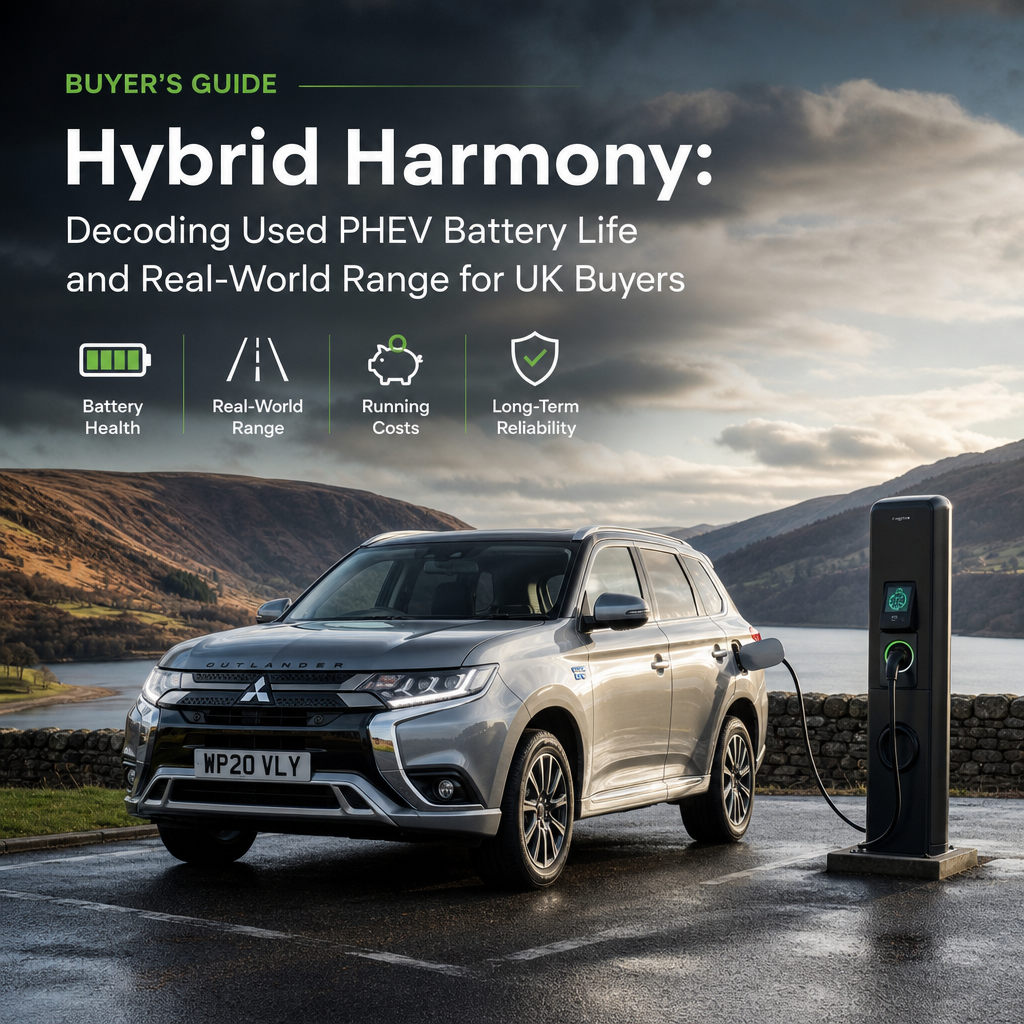
When you’re eyeing up a used PHEV like a Mitsubishi Outlander PHEV, a BMW 330e, or a Kia Niro PHEV, assessing its battery health is paramount. While there isn't a universally available 'health bar' for all vehicles, several indicators can provide a strong insight:
Dashboard Data:
- Displayed Electric Range: When you first get into a fully charged PHEV, check the displayed electric-only range. Compare this to the manufacturer's original WLTP (Worldwide Harmonised Light Vehicle Test Procedure) figure. While real-world range will always be lower than WLTP, a significant, consistent discrepancy (e.g., a car rated for 30 miles only showing 15 miles consistently) could suggest degradation. Be mindful that temperature and recent driving style can heavily influence this reading.
- Battery Health Menus: Some manufacturers, particularly Kia and Hyundai, offer a specific "EV Battery Health" or similar menu within their infotainment systems. This can provide a percentage capacity reading, which is incredibly useful for gauging the battery's remaining useful life.
- Warning Lights: Any illuminated battery or powertrain warning lights are an immediate red flag and should prompt further investigation by a specialist.
Service Records and Warranty:
- Warranty Status: Most PHEV batteries come with a substantial warranty, typically 8 years or 100,000 miles (whichever comes first), covering significant capacity degradation (e.g., below 70%). Check if the vehicle you're interested in is still under this warranty. This offers excellent peace of mind.
- Service History: A comprehensive service history is vital. Look for records of regular maintenance, software updates (which often include battery management system improvements), and any specific battery checks or related repairs. A well-maintained vehicle, both ICE and electric components, is a good indicator of overall care.
The Driving Test:
- Observe Range Drop: On your test drive, note how quickly the electric range depletes under normal driving conditions. Does it drop disproportionately fast, or does it seem to hold up reasonably well?
- Seamless Transitions: Pay attention to how smoothly the car transitions between electric and petrol/diesel power. Any jerking, hesitation, or unusual noises during these changes could indicate issues with the powertrain management system.
- Power Delivery: Does the electric motor provide sufficient acceleration, and does it feel consistent?
While these indicators aren't definitive, combining them gives you a robust framework for assessing a used PHEV's battery health. If in doubt, a pre-purchase inspection by a specialist EV/PHEV mechanic is highly recommended.
Factors Influencing Real-World Electric Range in the UK
The manufacturer's quoted WLTP range is a laboratory figure. In the real world, particularly in the UK, several factors conspire to impact your actual electric-only mileage:
Weather:
- Cold Temperatures: This is arguably the biggest range killer. In a typical UK winter, batteries are less efficient, and energy is heavily diverted to heating the cabin. Heated seats and steering wheels are more efficient than blowing hot air, but climate control demands significant power. Expect a 20-30% drop in electric range on a cold January morning compared to a mild May day.
- Hot Temperatures: While less impactful than cold in the UK, very hot weather can also slightly reduce battery efficiency and requires energy for air conditioning.
Driving Style:
- Aggressive Driving: Heavy acceleration and high speeds rapidly deplete the battery. Motorway cruising, for instance, is far less efficient for electric driving than stop-start urban traffic where regenerative braking can recoup energy.
- Smooth Driving: Gentle acceleration, anticipating traffic, and maximising regenerative braking (allowing the car to slow down naturally, often by lifting off the accelerator) will significantly extend your electric range.
Charging Habits:
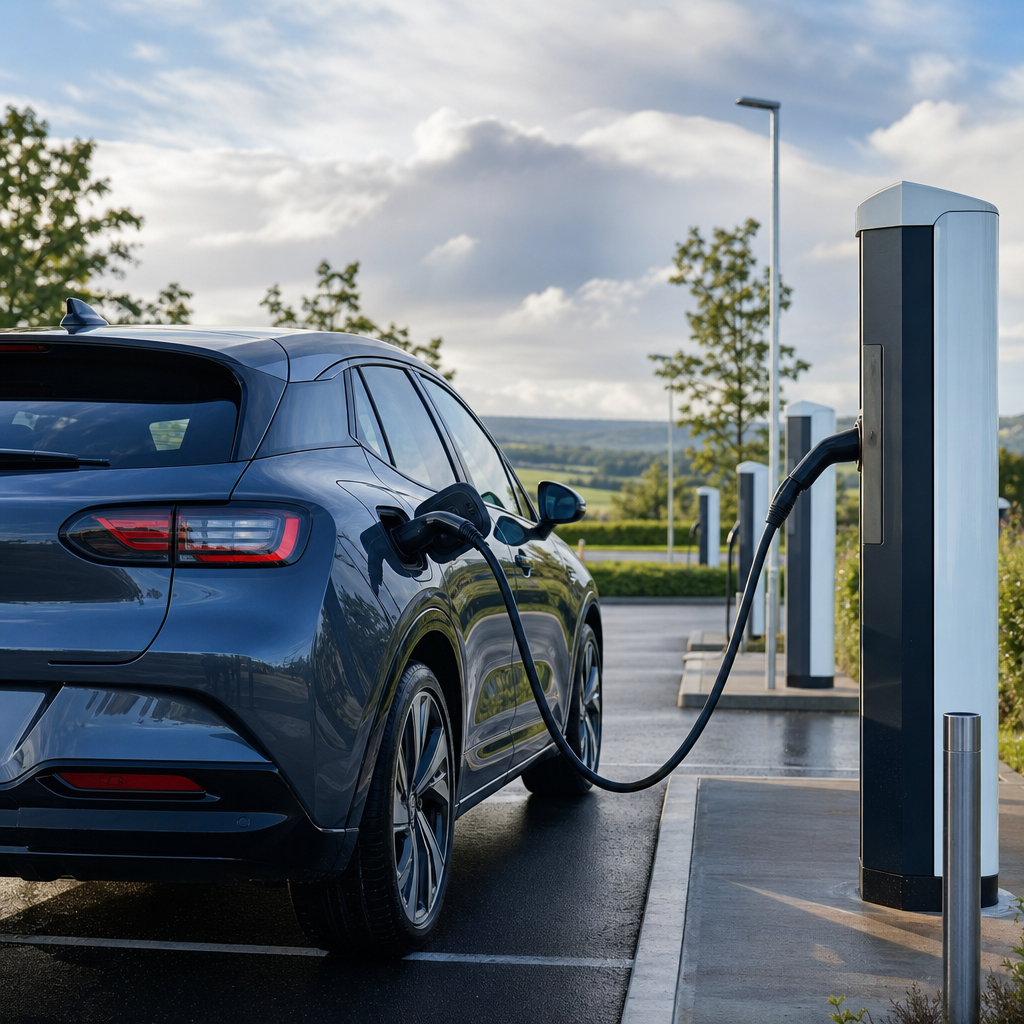
- While PHEVs are less sensitive to charging habits than BEVs, consistent, slow charging (e.g., overnight at home via a 3.6kW or 7kW wallbox) is ideal for battery health. Frequent reliance on faster public AC chargers, while convenient, doesn't stress the battery significantly as they are rarely 'rapid' in the true sense (most PHEVs limit AC charging to 7kW).
Terrain and Load: Hilly terrain demands more power, reducing range, as does carrying a full complement of passengers or heavy luggage.
Understanding these variables helps manage expectations. A used PHEV with a 30-mile WLTP range might realistically offer 20-25 miles in summer, but only 15-20 miles in winter in the UK.
Tips for Maximising Electric-Only Driving and Fuel Efficiency
Acquiring a used PHEV is just the first step; unlocking its full potential requires a change in habits to truly leverage its dual powertrain. Here’s how to get the most out of your used PHEV:
- Charge Religiously: This is the golden rule. A PHEV only saves you fuel if you charge it. Make home charging a habit – plug in every evening. If workplace charging is available, use it. Treat the electric range as your primary fuel source for daily drives.
- Pre-Condition the Cabin: Many PHEVs allow you to pre-heat or pre-cool the cabin while still plugged into the charger. This draws power from the grid, not the battery, ensuring you start your journey with maximum electric range and a comfortable interior, especially vital in cold UK mornings.
- Optimise Your Driving Style: Embrace smooth acceleration and braking. Learn to 'coast' and maximise regenerative braking. Look ahead to anticipate traffic lights and junctions. On motorways, engage the petrol/diesel engine and save your electric range for lower-speed urban areas where it’s most efficient.
- Utilise Driving Modes Smartly:
- EV Mode: Use this for all urban and suburban driving to maximise zero-emission travel.
- Hybrid Mode: Ideal for mixed driving, allowing the car to intelligently switch between power sources.
- Battery Hold/Save Mode: On some models (like the BMW 330e or Volvo XC60 Recharge), you can save battery charge for later, e.g., using the engine on the motorway to preserve battery for driving through a city centre.
- Charge Mode: A few PHEVs offer a mode that uses the engine to recharge the battery. While convenient, it’s highly inefficient as you’re generating electricity from petrol/diesel. Only use it in emergencies.
- Maintain Your Vehicle: Regular servicing, correct tyre pressures, and avoiding unnecessary weight in the boot all contribute to better efficiency for both the electric and ICE powertrains.
- Plan Your Routes: For longer journeys, identify public charging points along your route if you want to top up, but primarily aim to use the ICE for long stretches and save EV mode for the beginning and end of the journey.
Conclusion
A used PHEV offers a compelling blend of sustainability and practicality, making it an excellent choice for many UK drivers looking to dip their toes into electrification without range anxiety. By understanding how PHEV batteries function, knowing what to look for when assessing battery health, and adopting smart driving and charging habits, you can confidently navigate the used market. Armed with this knowledge from CarsLink.ai, you’ll be well-prepared to find a PHEV that delivers harmony between its electric and combustion powertrains, saving you fuel and emissions for years to come.