Demystifying Motorcycle Insurance: A UK Buyer's Guide to Finding the Right Cover for Your Used Bike
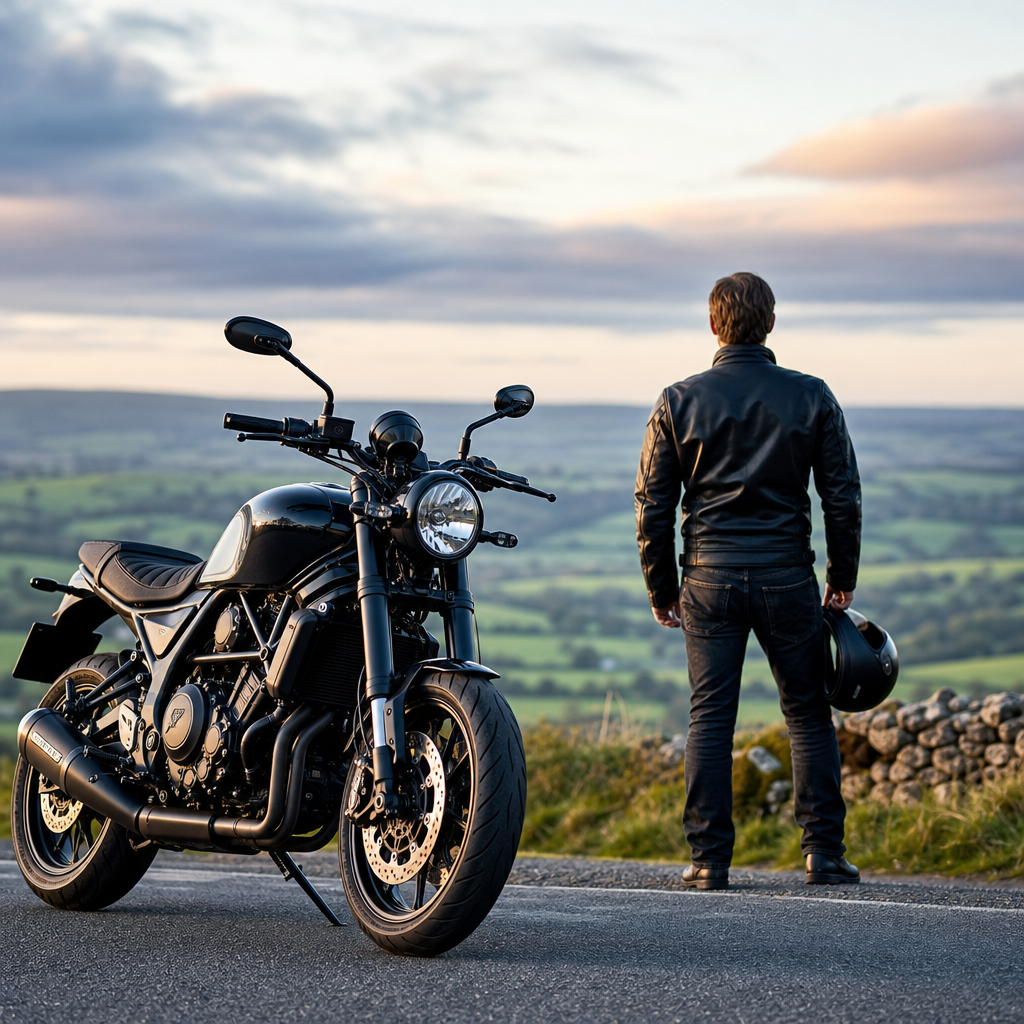
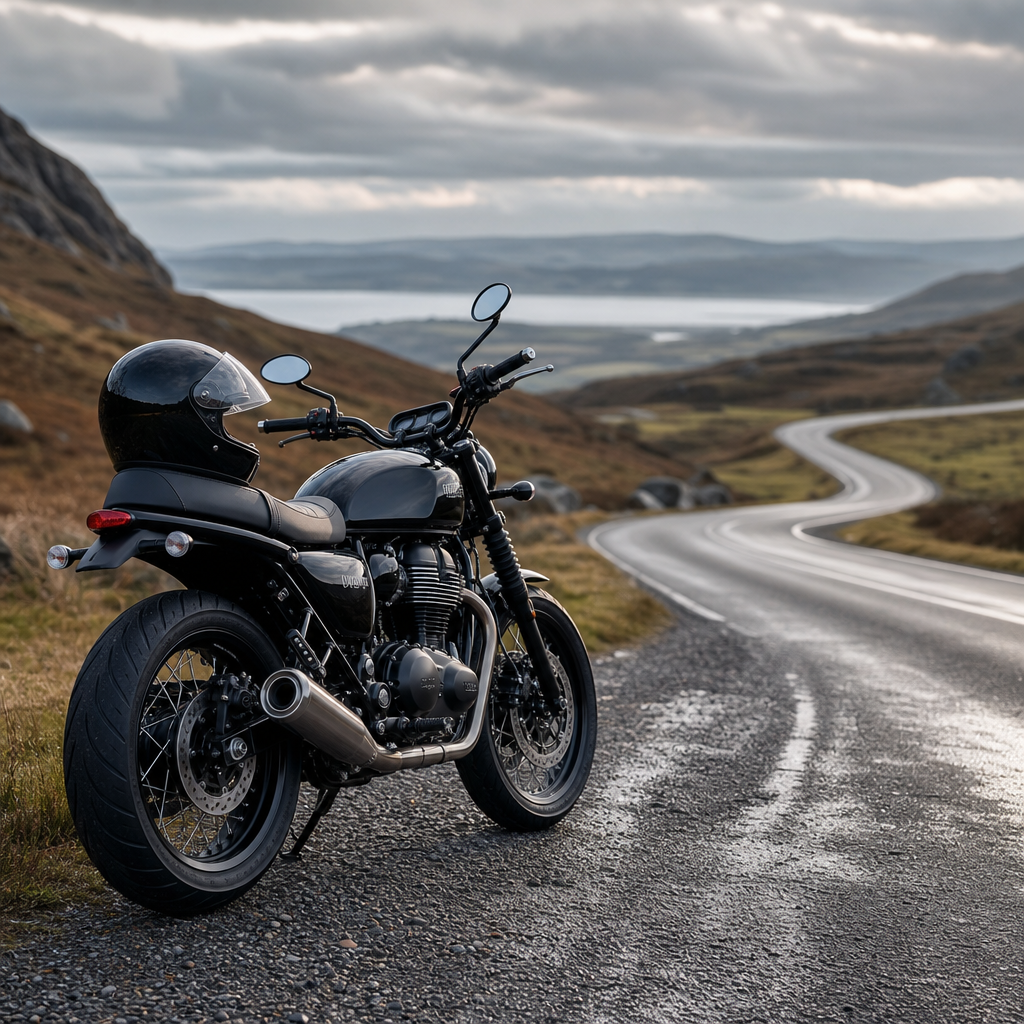
The thrill of finding that perfect used motorcycle – perhaps a classic Triumph Bonneville, a reliable Honda commuter, or a weekend Yamaha sportsbike – is hard to beat. The purchase is made, the keys are in your hand, but before you can truly enjoy the open road, there's one critical step: securing the right insurance. Navigating the world of motorcycle insurance in the UK can feel like a labyrinth of jargon, options, and fluctuating prices. However, understanding the fundamentals is key to protecting your investment, yourself, and others, all while ensuring you don't pay over the odds.
This guide aims to demystify motorcycle insurance for UK buyers, helping you make informed decisions and find cover that truly fits your needs and your two-wheeled pride and joy.
Decoding the Levels of Cover
Just like car insurance, motorcycle policies come in different tiers, each offering varying levels of protection. Understanding these is the first step in choosing wisely.
Third Party Only (TPO): This is the minimum legal requirement for any vehicle on UK roads. TPO covers damages or injuries you might inflict on a third party (another person, their vehicle, or their property). What it doesn't cover is any damage to your own motorcycle, or any injuries you sustain in an accident, regardless of who was at fault. While often the cheapest option in terms of headline premium, it can be a false economy if your bike is damaged, as you'll bear the full cost of repairs or replacement yourself. This level of cover might only be suitable for very low-value bikes where replacement cost is negligible.
Third Party, Fire & Theft (TPFT): Building upon TPO, this policy adds protection for your own motorcycle if it's stolen or damaged by fire. So, if your beloved Suzuki SV650 is pinched from outside your flat, or catches fire due to an electrical fault, your insurer would typically pay out its market value. However, it still doesn't cover accidental damage to your bike if you're involved in a collision – even if it wasn't your fault, you'd be responsible for your own repair costs.
Comprehensive: As the name suggests, this is the highest level of cover available. A comprehensive policy includes everything covered by TPO and TPFT, plus it covers damage to your own motorcycle in an accident, regardless of who was at fault. It often also includes cover for personal injury to yourself, damage to your helmet and leathers, and sometimes even a courtesy bike while yours is being repaired. While traditionally seen as the most expensive option, for many riders, especially those with newer or more valuable used bikes, comprehensive cover can offer the best peace of mind and often proves surprisingly competitive when you factor in the peace of mind it provides. For instance, if you've just spent £5,000 on a second-hand Kawasaki Z900, comprehensive cover means you won't be out of pocket should you have an unfortunate low-speed spill.
Unpacking the Premium-Shaping Factors
Insurance premiums aren't pulled out of thin air; they're meticulously calculated based on a range of risk factors. Understanding these can help you identify areas where you might be able to reduce your costs.
- Rider Age and Experience: This is perhaps the most significant factor. Younger riders (typically under 25) and those with less riding experience (e.g., on a new A2 licence) are statistically deemed higher risk and will generally face higher premiums. Conversely, experienced riders with a long, clean licence history tend to benefit from lower rates.
- Bike Type, Value and Modifications: The specific motorcycle you own plays a huge role. A high-performance, high-capacity sports bike (like a Yamaha R1) will almost always be more expensive to insure than a modest 125cc commuter (like a Honda CBF125). Insurers consider the bike's power, top speed, cost of repairs, and its attractiveness to thieves. Crucially, any modifications – be it an aftermarket exhaust, performance air filter, or even cosmetic changes – must be declared, as they can significantly impact your premium or even invalidate your policy.
- Storage and Postcode: Where you keep your bike overnight is a major factor. A motorcycle stored in a locked, secure garage will almost always be cheaper to insure than one left parked on the street. Your postcode also influences rates; areas with higher rates of vehicle theft or vandalism will naturally attract higher premiums. Being honest about your storage is vital.
- Usage: How you intend to use your bike (e.g., commuting, pleasure only, business use) will also affect the premium. Commuting often carries a slightly higher risk than pleasure use, for instance.
- No-Claims Bonus (NCB): A significant discount is applied for each year you ride without making a claim. This can dramatically reduce premiums over time.
Smart Strategies for Savvy Riders
There are proactive steps you can take to demonstrate to insurers that you're a lower risk, potentially unlocking better rates.
- Leveraging No-Claims Bonuses: As mentioned, your NCB is gold. Each year you ride claim-free, you accumulate a discount, which can grow substantially over several years. Many insurers offer the option to 'protect' your NCB after a certain number of years, meaning your discount won't be lost after one fault claim. If you're coming to motorcycles from a car, it's worth asking if your car NCB can be mirrored or transferred, as some specialist insurers do offer this.
- Advanced Rider Qualifications: Demonstrating a commitment to safe riding can pay dividends. Organisations like IAM RoadSmart and RoSPA Advanced Drivers and Riders offer advanced courses that hone your skills beyond the basic test. Achieving these qualifications not only makes you a safer rider but is often recognised by insurers with a discount. For example, a rider with a RoSPA Gold qualification often sees tangible savings, as they're statistically less likely to be involved in an accident.
- Security Measures: Investing in approved security devices can significantly reduce your premium. This includes Thatcham-approved alarms, immobilisers, robust ground anchors, heavy-duty chains, and disc locks. When getting a quote, accurately declare all security features you have in place. Even simple steps like parking your bike out of sight or chaining it to an immovable object can make a difference. Always check with your insurer if specific security is required as a condition of your policy, especially for high-value bikes.
Navigating Excesses, Optional Extras & Multi-Bike Policies
Once you've chosen your cover level, there are further options that allow you to fine-tune your policy and potentially save money.
- Understanding Excesses: The excess is the amount you agree to pay towards a claim before your insurer contributes. There are two types:
- Compulsory Excess: Set by the insurer based on your risk profile.
- Voluntary Excess: An additional amount you choose to pay on top of the compulsory excess. By agreeing to a higher voluntary excess, you signal to the insurer that you're less likely to make small claims, which often results in a lower overall premium. It's a balancing act: aim for an excess you can comfortably afford in the event of a claim.
- Optional Extras: Insurers offer a range of add-ons, but it’s crucial to only pay for what you genuinely need:
- Breakdown Cover: Often more convenient to buy as part of your policy, but compare with specialist breakdown providers.
- Legal Expenses Cover: Can be invaluable for pursuing compensation if you're involved in an accident with an uninsured driver or need legal assistance.
- Personal Accident Cover: Provides a payout for serious injury or death.
- Helmet & Leathers Cover: Replaces expensive riding gear damaged in an accident.
- Pillion Passenger Cover: Essential if you regularly carry passengers.
- Carefully consider whether these are already covered elsewhere or if you genuinely require the extra protection.
- Multi-Bike Policies: If you're fortunate enough to own more than one motorcycle – perhaps a 125cc scooter for the daily commute and a larger touring bike for weekend adventures – a multi-bike policy could be a cost-effective solution. These policies typically cover all your bikes under a single premium, often proving cheaper than insuring each one separately and simplifying the administration of your insurance.
Conclusion
Securing motorcycle insurance might not have the immediate gratification of firing up your new-to-you used bike, but it's an absolutely essential part of responsible ownership. By understanding the different levels of cover, recognising the factors that influence your premium, and leveraging smart strategies like advanced training and robust security, you can find a policy that offers robust protection without breaking the bank.
Always be honest and accurate with your insurer, compare quotes from several providers, and don't be afraid to ask questions. With the right cover in place, you can finally hit the open road with confidence and the peace of mind that you, your bike, and others are properly protected. Enjoy the ride!