Selling Your Used Car Privately in the UK: A Step-by-Step Guide for Best Returns
Selling your car can feel like a daunting task. While part-exchanging or selling to a dealer offers convenience, going down the private sale route often yields a significantly better return on your investment. With a bit of preparation and an understanding of the process, you can maximise your car's value and ensure a smooth transaction. Here at CarsLink.ai, we've put together this comprehensive guide to help you navigate the private sale process in the UK, ensuring you get the best price for your cherished vehicle.
Preparing Your Car for Sale: Presentation and Paperwork
First impressions truly count. A well-presented car, backed by meticulous documentation, instantly inspires confidence in potential buyers and can justify a higher asking price.
1. A Showroom Shine:
- Exterior: Give your car a thorough wash, wax, and polish. Don't forget the wheels, wheel arches, and tyres – a good tyre shine makes a surprising difference. Clean all glass inside and out. Small details like cleaning the exhaust tip also contribute to a polished look.
- Interior: This is where many sellers fall short. Vacuum every nook and cranny, wipe down all surfaces (dashboard, door cards, centre console), clean the glass, and ensure no rubbish or personal items are left behind. Consider an air freshener – a neutral scent is best. De-personalising the interior helps buyers envision themselves owning the car.
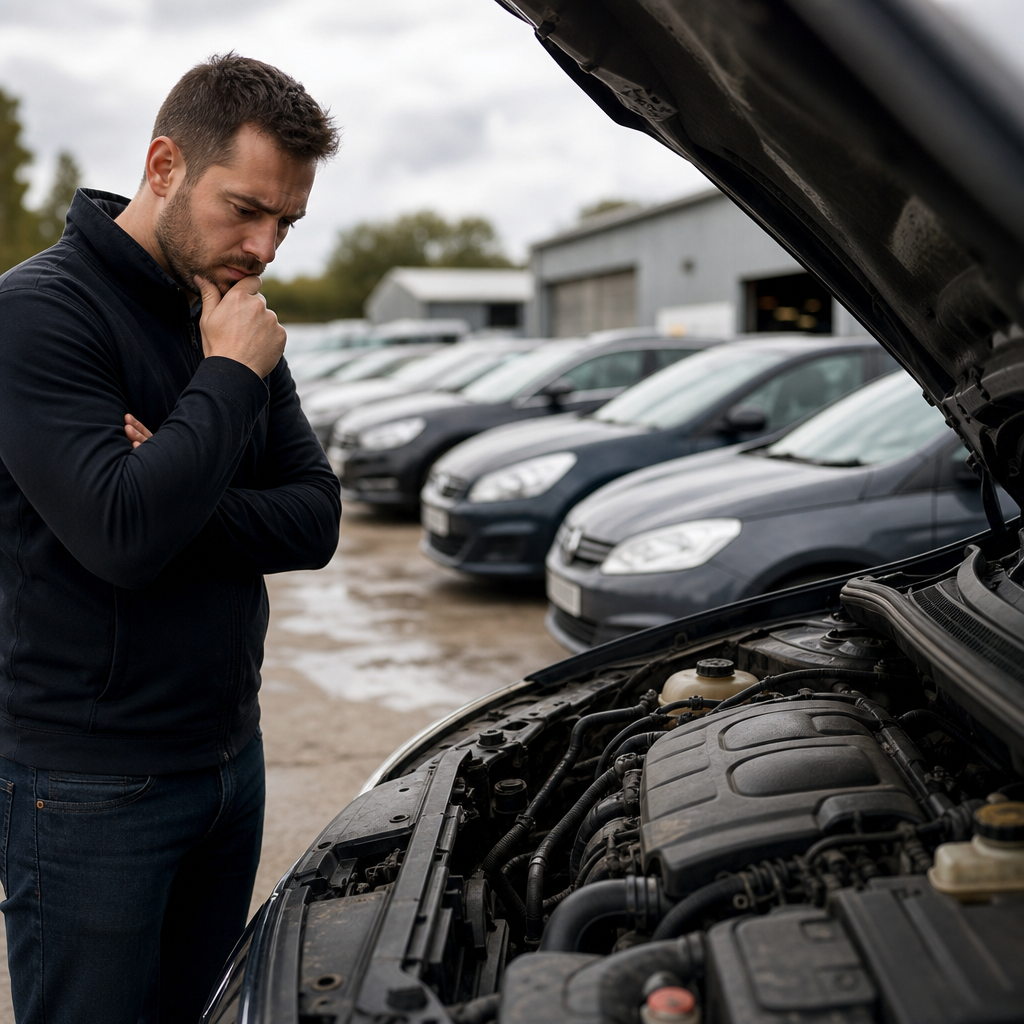
- Engine Bay: While not essential to deep clean, a quick wipe-down to remove surface dust and leaves shows that you’ve cared for the car's mechanicals too.
2. Minor Repairs, Major Impact: Before listing, fix any inexpensive, obvious faults. Blown headlight bulbs, worn wiper blades, or low screenwash levels are easy fixes that prevent buyers from nitpicking and knocking down the price. Touch-up paint for minor stone chips or scratches can also significantly improve its perceived condition. Resist the urge to undertake major mechanical work unless the cost is genuinely justified by a substantial increase in value; you rarely get back what you spend on large repairs.
3. Gather Your Documents: Having all your paperwork in order is crucial. Buyers will expect to see proof of ownership and maintenance.
- V5C Logbook: Ensure this is in your name and address. If there's outstanding finance on the car, you must settle this before selling or inform the buyer and arrange for settlement during the sale.
- Service History: A full (FSH) or comprehensive partial service history adds significant value. Organise receipts, main dealer stamps, and independent garage invoices.
- MOT Certificates: Present all current and previous MOT passes. These demonstrate a history of roadworthiness.
- Owner's Manual & Spare Keys: Essential items that are often overlooked. A spare key can be worth hundreds to a buyer.
- Receipts: Keep receipts for new tyres, recent brakes, or any significant work.
- HPI Check (Optional but Recommended): Consider running one yourself. It shows transparency and proves the car isn't stolen, written off, or subject to finance. You can then provide this to serious buyers.
Setting the Right Price: Research and Reality
Pricing your car correctly is perhaps the most critical step to securing a swift sale at a good return. Price too high, and you'll deter buyers; price too low, and you're leaving money on the table.
1. Market Research is Key: Don't pluck a number out of thin air. Spend time researching similar vehicles on platforms like CarsLink.ai, Auto Trader, and eBay Motors. Compare cars with:
- The same make, model, and year.
- Similar mileage.
- The same engine size and fuel type.
- Equivalent trim levels and optional extras (e.g., satellite navigation, leather seats, parking sensors).
- Similar overall condition and service history. Pay attention to how long similar cars have been advertised and whether their prices have been adjusted.
2. Utilise Online Valuation Tools: Websites like Glass's Guide (often used by the trade), Parkers, and Auto Trader offer free valuation tools. Input your car's details and they'll provide an estimated private sale value. Use these as a guide rather than a definitive figure. They don't account for the unique condition of your specific car or the details of its service history.
3. Leave Room for Negotiation: Most private buyers will expect to haggle. It’s wise to set your initial asking price slightly above your absolute minimum acceptable figure. This gives you a buffer for negotiation without feeling like you're losing out. Decide your rock-bottom price beforehand and stick to it. Phrases like "sensible offers welcome" can encourage enquiries.
Crafting an Effective Advert: Your Shop Window
Your advert is your car's shop window. It needs to be enticing, informative, and honest to attract the right buyers.
1. Compelling Photos are Paramount: High-quality photographs are the single most effective tool for selling your car.
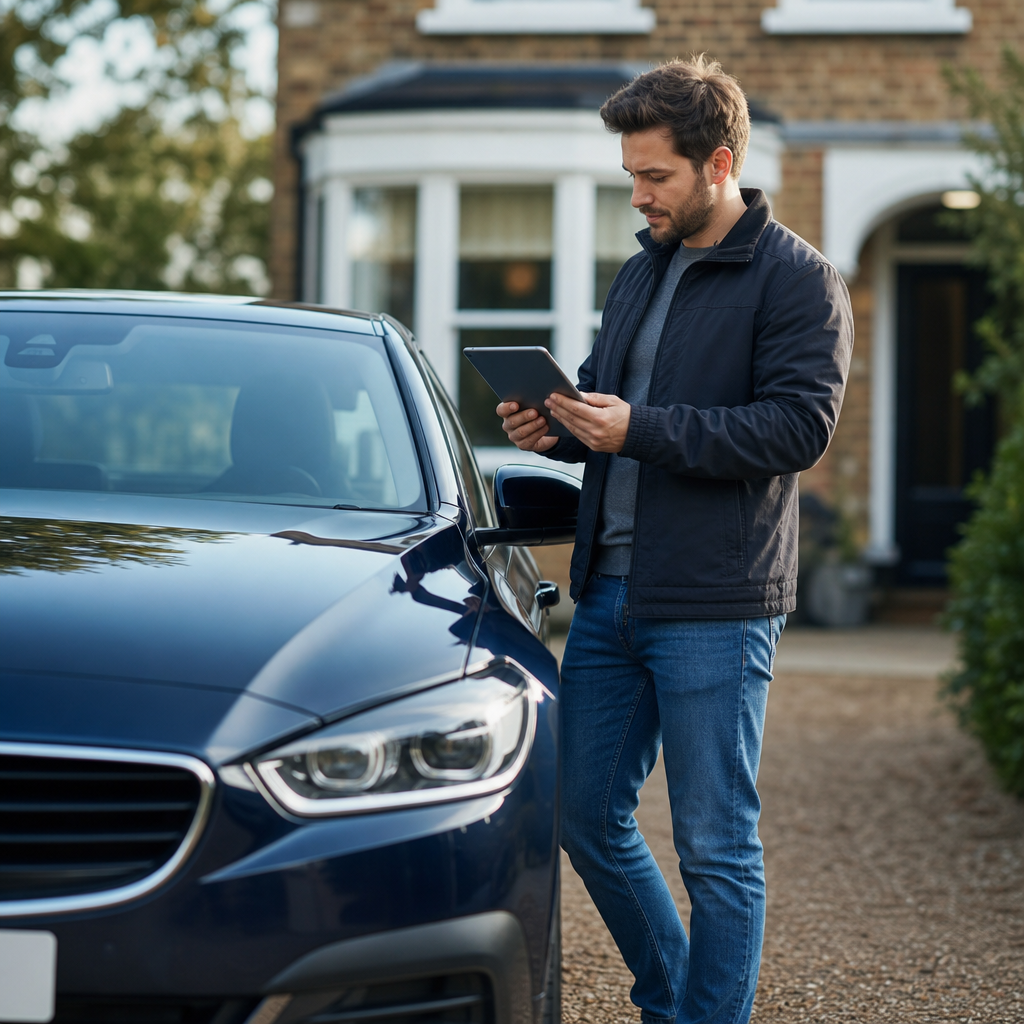
- Quantity and Quality: Aim for at least 10-15 clear, high-resolution photos. Take them on a sunny day in a clean, uncluttered location (e.g., driveway, quiet street).
- Angles: Capture the car from all angles – front, back, both sides, and three-quarter shots.
- Details: Include interior shots (dashboard, front seats, rear seats, boot), close-ups of alloy wheels, the engine bay, and any desirable features (e.g., infotainment screen, sunroof).
- Honesty: Don't hide minor imperfections. If there's a small scratch, a photo of it (alongside an honest description) builds trust.
2. Detailed and Honest Description:
- Catchy Headline: Make it clear and informative (e.g., "Ford Focus 1.0 EcoBoost Titanium - Low Mileage, Full Service History, Sat Nav").
- Key Specifications: Start with the basics: make, model, year, mileage, engine size, fuel type, transmission, colour, MOT expiry date.
- Highlight Selling Points: Emphasise desirable features such as Full Service History (FSH), recent MOT, low mileage for the year, specific trim level, optional extras (e.g., heated seats, parking sensors, Apple CarPlay), and new tyres/brakes.
- Maintenance History: Clearly state the service history status (e.g., "Full main dealer service history," "Partial service history with independent specialist receipts").
- Be Transparent about Imperfections: Honesty is the best policy. Briefly mention any minor stone chips, superficial scratches, or wear and tear commensurate with age. This avoids wasting time with buyers who feel misled.
- Reason for Sale: Briefly explain why you're selling (e.g., "Upgrading to a larger family car," "No longer need a second vehicle").
- Call to Action: Include your preferred contact method (phone number, email) and specify preferred times for calls.
Handling Enquiries and Viewings: Safety and Professionalism
Once your advert is live, you’ll start receiving enquiries. Approach these interactions professionally and always prioritise your safety.
1. Initial Enquiries:
- Be Responsive: Answer questions promptly and politely. This shows you're a serious seller.
- Filter Timewasters: Be wary of vague questions, immediate lowball offers without viewing, or buyers asking for your bank details early on. Serious buyers will ask specific questions about the car's history and condition.
- Knowledge is Power: Be ready to answer common questions about service intervals, the last MOT, and any known faults.
2. Arranging Viewings:
- Safety First:
- Whenever possible, have another person present during a viewing at your home.
- Do not disclose unnecessary personal information.
- Consider meeting in a well-lit, busy public place, although this can make a thorough inspection harder for the buyer.
- Crucially: Before any test drive, ask to see the buyer's valid driving licence and proof of insurance that covers them to drive another vehicle (often found on fully comprehensive policies). If in doubt, call their insurer to verify.
- Never let a buyer test drive the car alone. Always accompany them. If they insist on going alone, walk away from the sale.
- During the Viewing:
- Have all your documents neatly organised and ready to present.
- Allow the buyer ample time to inspect the car thoroughly. Be honest and open when answering questions.
- The Test Drive: Insist on accompanying them. Show them a safe, varied route where they can experience the car at different speeds. Be aware of their driving and your surroundings.
Completing the Sale Legally: Paperwork and Payment
You've agreed a price – fantastic! Now it's time to finalise the deal safely and legally.
1. Payment Methods: Safety Above All:
- Bank Transfer (BACS/Faster Payments): This is the safest and preferred method. Funds usually clear into your account almost instantly. Crucially: Do NOT release the car, keys, or documents until you have verified the full amount is irrevocably in your bank account. Check your online banking or call your bank directly.
- Cash: Only recommended for smaller amounts, due to the risk of counterfeit notes or theft. If accepting cash, arrange to count it at your bank, or have the buyer pay it directly into your account at their branch.
- Banker's Draft/Cheque: AVOID AT ALL COSTS. These can be fraudulent and take days to clear. Never release your car based on these methods.
2. Essential Paperwork:
- V5C Logbook:
- Complete section 6 ('New Keeper Details') with the buyer's full name and address.
- Complete section 8 ('Notification of Sale') with the date of sale and sign.
- Give the buyer the green 'New Keeper Slip' (V5C/2). They will need this to tax the vehicle.
- Send the main part of the V5C (sections 1-8, 11) to the DVLA yourself. Keep a copy for your records. You can also notify the DVLA online for an immediate update.
- Sales Receipt/Contract:
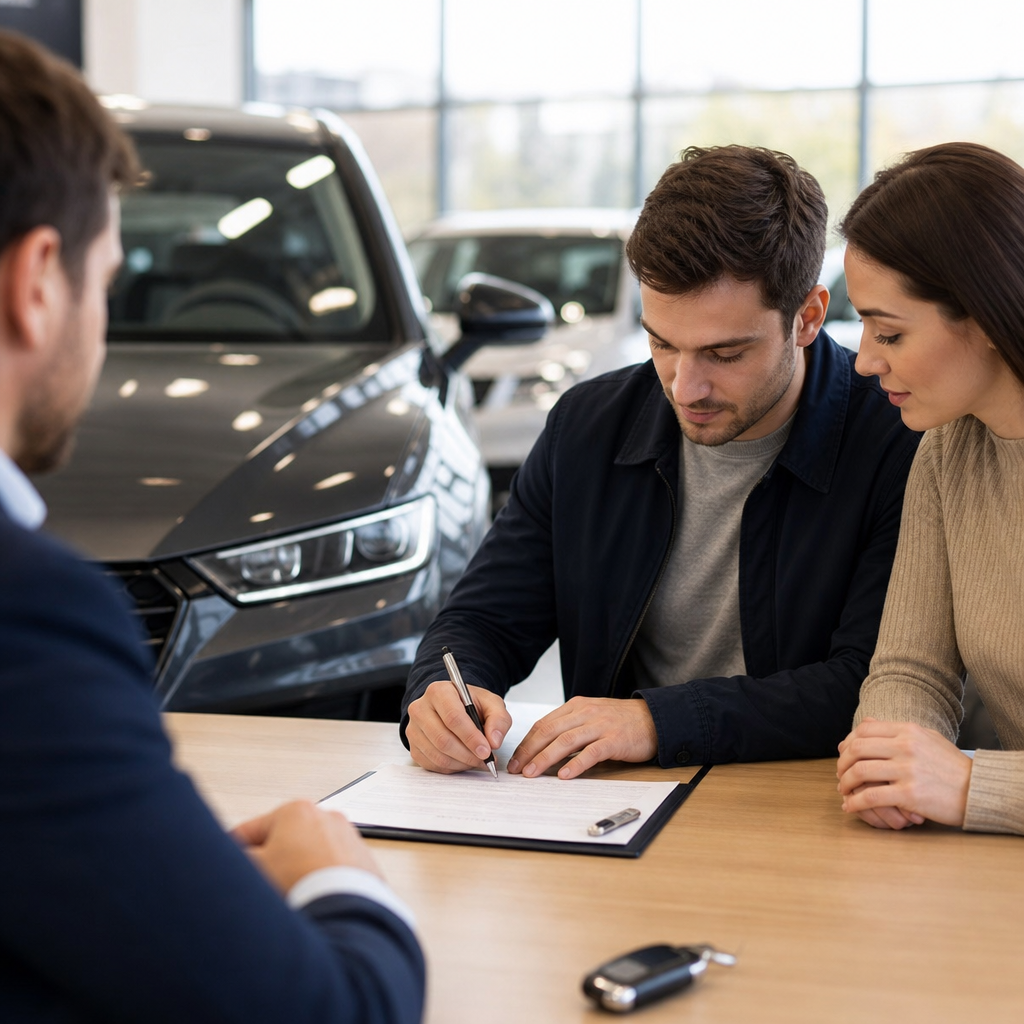
- This protects both you and the buyer. Write out two copies (one for each party).
- Include: Full details of the car (make, model, registration number, VIN, mileage), your full name and address, the buyer's full name and address, the agreed sale price, and the date and time of the sale.
- Add a clause: "Sold as seen, buyer accepts all faults present at the time of sale." This helps mitigate any post-sale disputes.
- Both you and the buyer must sign and date both copies.
- Insurance & Road Tax:
- Cancel your insurance policy once the car is no longer yours.
- Your road tax is not transferable. The new owner must tax the car immediately upon purchase. You will automatically receive a refund for any full unexpired months of tax.
Conclusion
Selling your car privately in the UK doesn't have to be a stressful ordeal. By investing a little time in preparation, pricing strategically, crafting a compelling advert, conducting safe viewings, and understanding the legalities of the sale, you can achieve a significantly better return than through a trade-in. Follow these steps, exercise diligence, and you'll soon be waving goodbye to your old car and welcoming a healthy boost to your bank account, ready for your next vehicle search on CarsLink.ai!