What Are Commission-Free Classifieds?
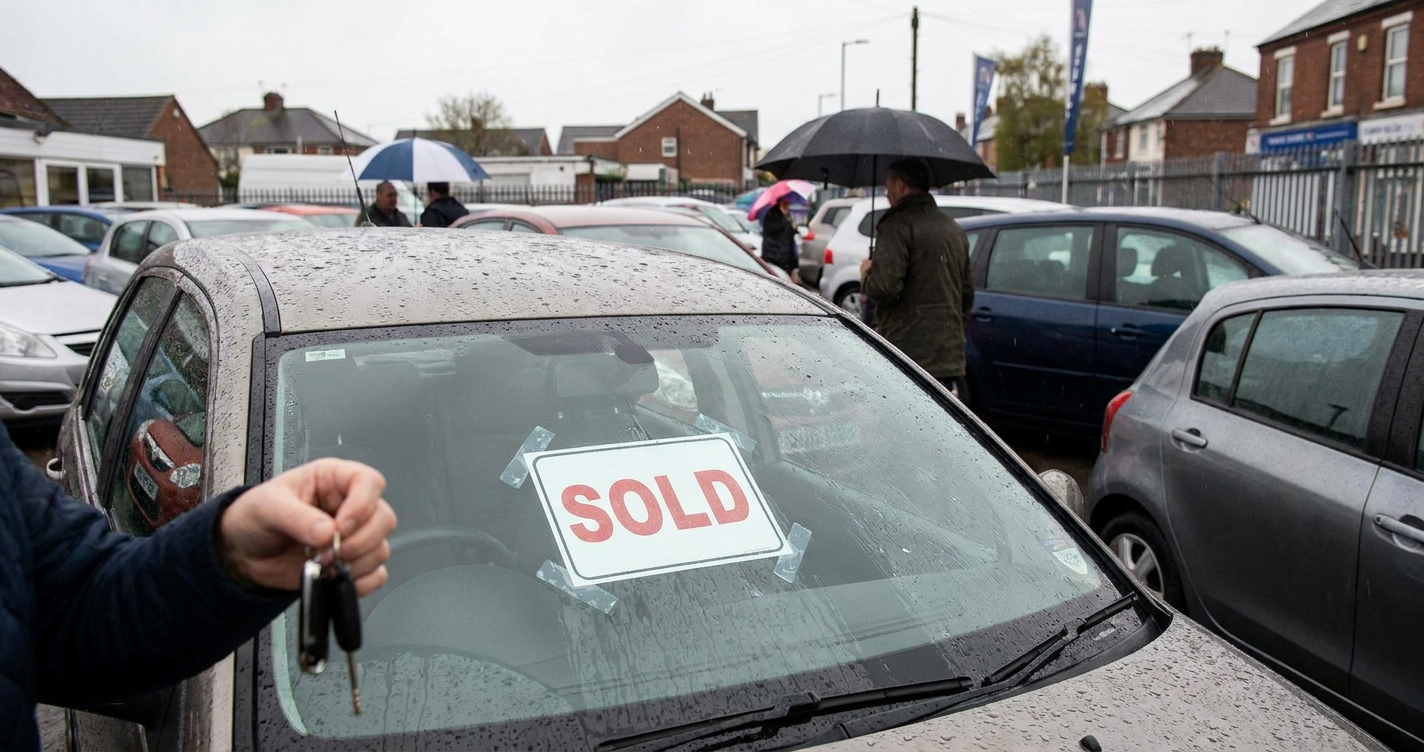
Commission-free classifieds are vehicle listing platforms that charge dealers absolutely nothing to advertise their stock. Unlike traditional classified sites that impose monthly subscriptions, per-lead fees, or transaction commissions, these platforms generate revenue through alternative models or operate as loss-leaders whilst maintaining zero cost for dealers. The fundamental principle is simple: dealers list vehicles at no charge, buyers browse for free, and the platform connects them directly without extracting fees from either party.
This model represents a radical departure from the established automotive classifieds industry. Traditional platforms such as AutoTrader charge dealers from £3,500 per month with mandatory 12-month contracts, whilst Motors.co.uk starts at £500 monthly. These costs accumulate rapidly, particularly for independent dealers operating on tight margins. Commission-free alternatives eliminate this overhead entirely, allowing dealers to allocate marketing budgets elsewhere or improve their bottom line.
The rise of commission-free classifieds reflects broader shifts in digital marketplace economics. Technology costs have decreased dramatically, enabling platforms to operate efficiently without passing expenses to users. Meanwhile, dealers have grown increasingly frustrated with the economics of zero-commission vehicle marketplaces and the value proposition of expensive legacy platforms.
Why Commission-Free Models Are Gaining Traction
The shift towards commission-free classifieds stems from fundamental economic pressure on UK vehicle dealers. Independent dealerships, which comprise the majority of the used vehicle market, face relentless margin compression. Vehicle acquisition costs have risen, consumer financing has tightened, and operational expenses continue climbing. In this environment, monthly advertising fees exceeding £3,000 represent a significant burden that directly impacts profitability.
Traditional classified platforms operate on a subscription model that guarantees revenue regardless of dealer performance. A dealer paying £3,500 monthly receives the same service whether they sell three vehicles or thirty. This misalignment of incentives has created resentment within the dealer community, particularly when platforms increase fees annually without corresponding improvements in lead quality or conversion rates.
Commission-free platforms address this frustration by eliminating fixed costs entirely. Dealers can list their entire inventory without worrying about monthly bills or contract commitments. This flexibility proves particularly valuable for seasonal businesses, new dealerships building their customer base, or established dealers testing new vehicle categories. The impact on dealer margins can be substantial, freeing up capital for stock acquisition, premises improvements, or staff training.
Buyer behaviour has also evolved in ways that favour commission-free models. Modern consumers expect transparent pricing and direct access to sellers. Marketplace platforms that insert themselves between buyer and dealer create friction, delay communication, and sometimes inflate prices to cover their commission. Direct-to-dealer models eliminate these intermediaries, creating cleaner transactions that benefit both parties.
How Commission-Free Platforms Generate Revenue
The obvious question surrounding commission-free classifieds is sustainability. If dealers pay nothing and buyers pay nothing, how do these platforms survive? Several revenue models have emerged, each with different implications for long-term viability.
Some platforms operate as lead generation engines for complementary services. They offer free vehicle listings whilst monetising through finance referrals, warranty products, vehicle checks, or dealer software subscriptions. This approach keeps the core listing service free whilst generating income from value-added services that dealers voluntarily purchase.
Others function as technology showcases or market-building exercises. A company with broader automotive technology offerings might operate a free classified platform to demonstrate capabilities, build dealer relationships, or establish brand presence. The platform itself runs at a loss or break-even, subsidised by profitable divisions elsewhere in the business.
Data monetisation represents another potential model, though this raises important questions about data ownership in vehicle classifieds. Platforms that aggregate buyer behaviour, search patterns, and market trends possess valuable intelligence. However, ethical operators maintain strict boundaries between anonymised market insights and individual customer data, ensuring GDPR compliance and user trust.
Advertising revenue offers a fourth path. Platforms with significant traffic can sell display advertising, featured placements, or sponsored content to manufacturers, finance companies, or automotive service providers. This model works best for platforms that achieve substantial scale, making it more viable for established players than new entrants.
The Impact on Traditional Classified Platforms
The emergence of credible commission-free alternatives has forced traditional platforms to reconsider their pricing strategies and value propositions. When dealers can list vehicles for free elsewhere, the justification for £3,500 monthly fees becomes harder to sustain. Legacy platforms respond by emphasising their traffic volumes, brand recognition, and conversion rates, arguing that their audience reach justifies the premium.
This defence holds merit for high-volume franchise dealers with substantial marketing budgets. A Mercedes-Benz dealership selling 150 vehicles monthly can justify AutoTrader fees if the platform delivers qualified leads at an acceptable cost per acquisition. The mathematics change dramatically for independent dealers selling 15 vehicles monthly, where the same fee represents a far larger percentage of revenue.
Traditional platforms have also introduced tiered pricing, attempting to retain smaller dealers through reduced-cost packages whilst maximising revenue from larger operations. However, these entry-level tiers often come with significant restrictions on listing volumes, image quantities, or feature access, limiting their practical value.
The competitive pressure has accelerated innovation within established platforms. AutoTrader has invested heavily in data products, valuation tools, and dealer software, attempting to justify subscriptions through comprehensive service packages rather than listings alone. Motors.co.uk has emphasised integration capabilities and dealer management features. These developments benefit the industry overall, even as they reflect defensive responses to commission-free competition.
Benefits for Independent Dealers
Independent vehicle dealers represent the primary beneficiaries of commission-free classifieds. These businesses typically operate with smaller inventories, tighter margins, and more limited marketing budgets than franchise networks. For a dealer selling 10-20 vehicles monthly, eliminating a £3,500 monthly advertising cost can transform profitability.
The contract-free nature of commission-free platforms provides operational flexibility that traditional subscriptions cannot match. Dealers can adjust their advertising presence instantly based on stock levels, seasonal demand, or cash flow requirements. A dealer reducing inventory during slow winter months can simply pause listings without penalty, contract buyout fees, or negotiation with account managers.
Commission-free platforms also level the competitive playing field. On traditional classifieds, dealers with larger budgets can purchase premium placements, featured listings, and enhanced visibility that pushes smaller competitors down search results. Commission-free platforms typically offer equal visibility to all dealers, allowing quality vehicles and competitive pricing to drive buyer interest rather than advertising spend.
The direct-to-dealer traffic model preserves customer relationships in ways that marketplace platforms do not. When a buyer clicks a listing on a commission-free platform, they route directly to the dealer's website rather than remaining within a marketplace environment. This ensures the dealer captures the customer data, controls the user experience, and owns the relationship from first contact through purchase and beyond.
Implications for Vehicle Buyers
Buyers benefit from commission-free classifieds through improved price transparency and direct dealer access. Traditional marketplace platforms sometimes inflate prices to cover commission costs or create artificial scarcity by limiting dealer contact information. Commission-free models eliminate these distortions, connecting buyers directly with dealers who have no platform fees to recoup.
The removal of intermediaries accelerates the buying process. Buyers can contact dealers immediately, ask questions directly, and negotiate without platform-imposed communication delays or restrictions. This directness particularly benefits buyers seeking specific vehicles, unusual specifications, or quick transactions where time matters.
Commission-free platforms often attract dealers who prioritise value over volume, creating a different inventory mix than traditional classifieds. Smaller independent dealers, specialists in particular vehicle types, and regional operations that cannot justify expensive advertising fees find commission-free platforms economically viable. This diversity expands buyer choice beyond the franchise dealers and large independents that dominate paid platforms.
However, buyers should maintain the same due diligence regardless of platform. Commission-free listing does not guarantee dealer quality, vehicle condition, or transaction integrity. Buyers must still verify dealer credentials, inspect vehicles thoroughly, check service histories, and conduct appropriate background checks before purchasing.
The Role of AI and Technology
Technological advancement has made commission-free classifieds economically viable in ways that would have been impossible a decade ago. Cloud infrastructure, automated data processing, and AI-powered search reduce operational costs dramatically, allowing platforms to serve thousands of dealers without proportional increases in staff or expenses.
AI-powered natural language search represents a particular advantage for commission-free platforms. Traditional filter-based search requires extensive database infrastructure and complex query processing. Modern AI search engines can interpret plain English descriptions, understand buyer intent, and match requirements to available stock with minimal computational overhead. This efficiency allows commission-free platforms to deliver sophisticated search experiences without the infrastructure costs that traditional platforms use to justify subscription fees.
The evolution from traditional classifieds to AI-powered discovery has democratised vehicle search technology. Features once exclusive to premium platforms, such as intelligent recommendations, similar vehicle suggestions, and predictive search, now appear on commission-free alternatives. This technological parity undermines the argument that expensive platforms deliver superior functionality.
Automation also reduces the human labour traditionally required to manage classified platforms. Dealer onboarding, stock feed integration, listing quality control, and customer support increasingly rely on automated systems and self-service tools. This operational efficiency allows commission-free platforms to scale without proportional cost increases, maintaining zero fees even as dealer and listing volumes grow.
Challenges Facing Commission-Free Platforms
Despite their advantages, commission-free classifieds face significant challenges in competing with established players. Traffic acquisition remains the primary obstacle. AutoTrader has spent decades building brand recognition and buyer habits. Consumers searching for vehicles instinctively visit familiar platforms, creating a network effect that proves difficult for new entrants to overcome.
Dealer scepticism represents another barrier. Many dealers have attempted free or low-cost alternatives that failed to deliver meaningful traffic or leads. This history creates reluctance to invest time in listing inventory, integrating stock feeds, or promoting yet another platform. Commission-free services must demonstrate genuine value quickly or risk being dismissed as another failed experiment.
Monetisation challenges persist for platforms that genuinely commit to zero dealer fees. Building a sustainable business whilst charging nothing for core services requires either substantial capital reserves, profitable complementary revenue streams, or long-term strategic patience. Many commission-free platforms have launched with enthusiasm only to introduce fees once growth stalled or investor patience expired.
Quality control becomes more complex when financial barriers to entry disappear. Paid platforms naturally filter out casual sellers, fraudulent listings, and low-quality dealers through subscription costs. Commission-free platforms must implement alternative verification methods, dealer vetting processes, and listing quality standards to maintain credibility without using price as a filter.
The Future of Vehicle Classifieds
The trajectory of commission-free classifieds will likely follow patterns seen in other digital marketplace disruptions. Initial fragmentation will give way to consolidation as successful platforms scale whilst others exit. Hybrid models may emerge, offering basic listings for free whilst charging for premium features, enhanced visibility, or value-added services.
Traditional platforms will continue adapting, potentially introducing free tiers, reducing pricing, or bundling classifieds with other services to retain market share. The competitive pressure from commission-free alternatives has already influenced pricing discussions and contract terms, even among dealers who remain on paid platforms.
Buyer expectations will continue shifting towards transparency, direct access, and commission-free transactions. Younger vehicle buyers, accustomed to peer-to-peer marketplaces and direct-to-consumer brands in other categories, increasingly question why automotive transactions require expensive intermediaries. This generational shift favours platforms that eliminate rather than extract fees.
Technology will remain the key differentiator. Platforms that deliver superior search experiences, better mobile interfaces, faster load times, and more intelligent recommendations will attract both dealers and buyers regardless of pricing model. The future of vehicle classifieds likely involves AI-powered personalisation, predictive inventory matching, and seamless integration with dealer systems, available on both paid and free platforms.
Making the Switch: Considerations for Dealers
Dealers evaluating commission-free classifieds should approach the decision strategically rather than emotionally. The appeal of zero fees is obvious, but the transition requires careful planning to avoid disrupting existing lead flow or customer acquisition.
A phased approach often works best. Dealers can maintain existing paid listings whilst adding commission-free platforms, measuring traffic, lead quality, and conversion rates across both channels. This parallel operation provides direct comparison data without the risk of eliminating a proven lead source prematurely.
Integration capabilities matter significantly. Dealers using dealer management systems or website providers should verify that commission-free platforms support automated stock feeds, avoiding manual listing updates that consume staff time. The administrative burden of managing multiple platforms can offset the financial savings of commission-free listings if integration is poor.
Traffic expectations require realistic calibration. Commission-free platforms will not immediately deliver the visitor volumes of AutoTrader or Motors.co.uk. However, the quality of traffic often matters more than quantity. A platform delivering 50 serious buyers may outperform one generating 500 casual browsers. Dealers should track enquiry-to-sale conversion rates rather than raw traffic numbers.
Longer-term strategic considerations include optimising dealer websites for direct traffic rather than relying exclusively on classified platforms. Building a direct audience through search engine optimisation, social media, and repeat customers reduces dependence on any single advertising channel, whether paid or free.
Frequently Asked Questions
Are commission-free classifieds really free forever?
Genuine commission-free platforms commit to zero dealer fees as a core business principle, not a temporary promotion. However, dealers should verify the specific terms, looking for statements about permanent free listings rather than trial periods or introductory offers. Reputable platforms clearly state their revenue model and any circumstances under which fees might be introduced. Platforms that have operated commission-free for extended periods with consistent messaging demonstrate more credible long-term commitment than new entrants making bold promises.
Do commission-free platforms deliver the same traffic as AutoTrader?
No commission-free platform currently matches AutoTrader's traffic volumes, which result from decades of brand building and marketing investment. However, traffic volume alone does not determine platform value. Dealers should evaluate lead quality, conversion rates, and cost per acquisition rather than raw visitor numbers. A commission-free platform delivering 30 qualified leads monthly at zero cost may outperform a paid platform generating 200 enquiries at £3,500 monthly if conversion rates and customer quality are comparable.
Can dealers use both paid and commission-free platforms simultaneously?
Absolutely. Most dealers benefit from a diversified advertising strategy that includes multiple channels. Using commission-free platforms alongside paid classifieds, social media, search engine marketing, and direct website traffic creates resilience against changes in any single channel. The key is measuring performance across all sources and allocating resources based on return on investment rather than habit or assumption.
How do commission-free platforms verify dealer legitimacy?
Reputable commission-free platforms implement dealer verification processes including business registration checks, trading address confirmation, and regulatory compliance verification. Some require dealer licence numbers, VAT registration, or trade association membership. These checks protect buyers from fraudulent sellers whilst maintaining platform credibility. Dealers should expect reasonable verification requirements, viewing them as quality indicators rather than barriers.
What happens to my listings if a commission-free platform starts charging?
Dealers should review platform terms of service regarding fee changes and notification periods. Ethical platforms provide substantial advance notice before introducing fees, allowing dealers to evaluate whether the new pricing offers acceptable value or whether migration to alternative platforms makes sense. The absence of contracts on commission-free platforms means dealers can remove listings immediately if fees are introduced, unlike traditional platforms with 12-month commitments.