Finding Your Flow: Ergonomics and Comfort for Used UK Motorcycle Riders
For many riders, the thrill of motorcycling isn't just about speed or style; it's about the connection – that almost seamless "flow" between rider and machine. This harmony, however, hinges significantly on ergonomics and comfort. When buying a used motorcycle, especially from a platform like CarsLink.ai, understanding how to assess and, if necessary, adjust a bike's ergonomics to your unique physique is paramount. A well-fitting bike isn't just more comfortable; it's safer, more controllable, and ultimately, far more enjoyable to ride on UK roads.
Unlike a brand-new bike where you might have dealer-fitted adjustments, a used machine comes with its own history and, potentially, the ergonomic preferences of its previous owner. Don't let that deter you; with a bit of knowledge and a willingness to fettle, you can transform a good used bike into your perfect riding partner.
The Rider Triangle: Your Foundational Fit
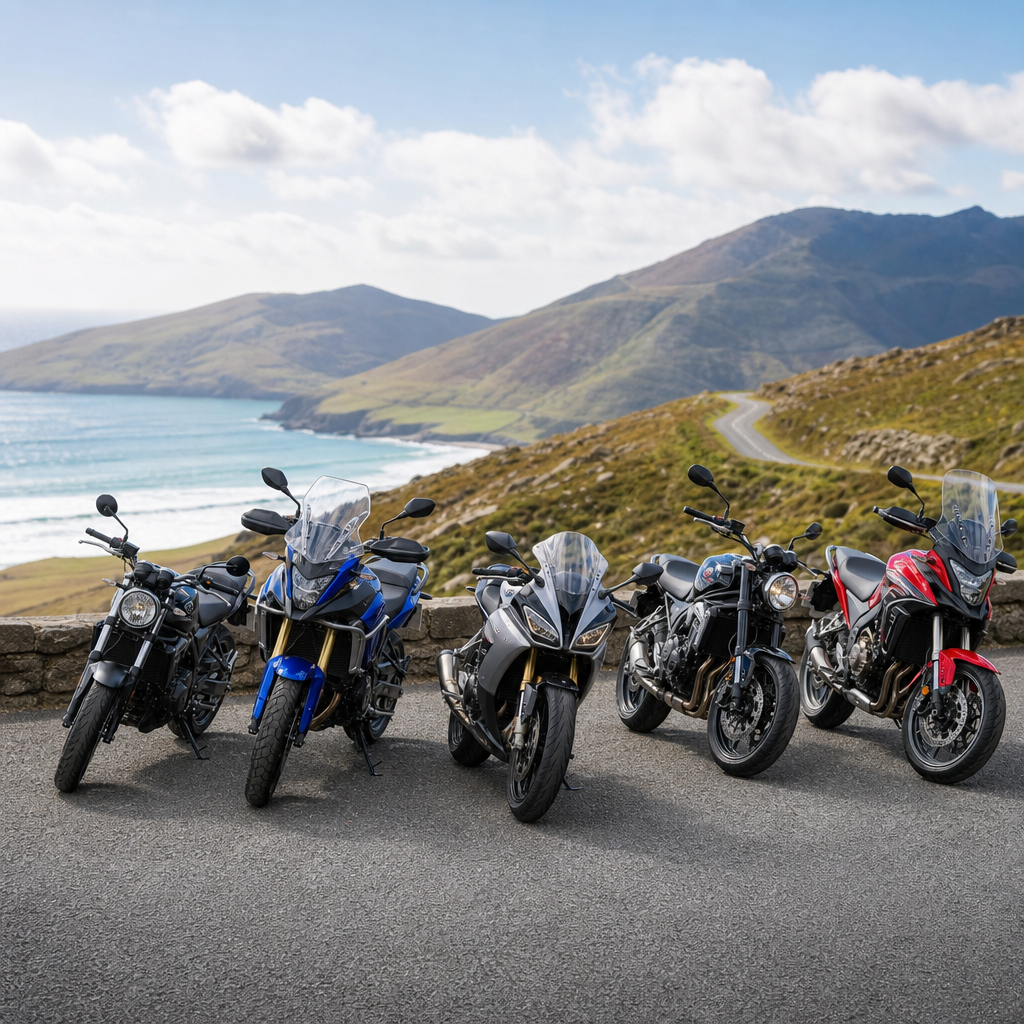
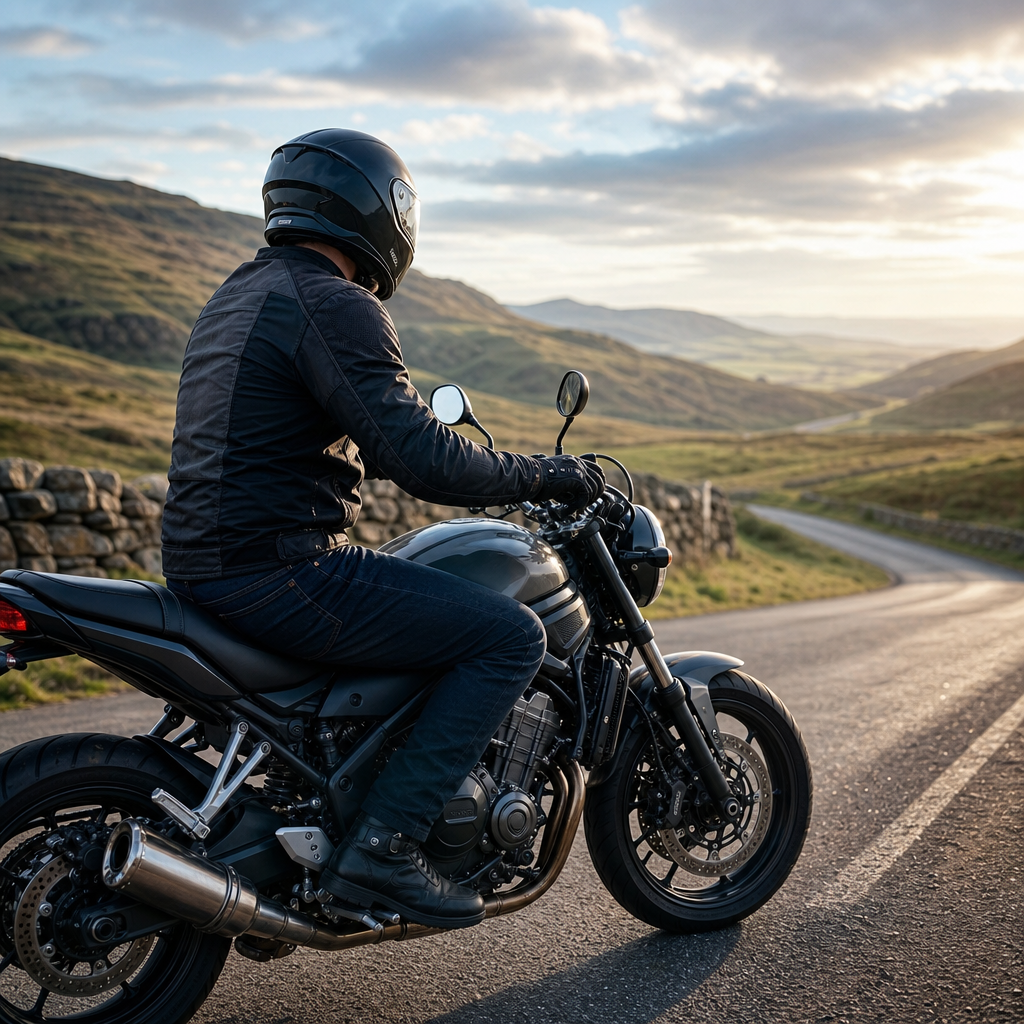
At the heart of motorcycle ergonomics lies the "rider triangle" – the relationship between the handlebars, the seat, and the footpegs. These three points define your posture and the level of comfort (or discomfort) you’ll experience. Every motorcycle is designed around a specific rider triangle, which largely dictates its intended purpose and riding style:
- Sportbikes (e.g., Honda CBR600RR, Yamaha R6): Characterised by a very aggressive, forward-leaning posture with high footpegs and low handlebars. This promotes aerodynamic efficiency and front-end feedback but can be taxing on wrists, back, and knees over longer distances.
- Cruisers (e.g., Harley-Davidson Sportster, Triumph Bonneville Bobber): Often feature a relaxed, feet-forward position with wide, pulled-back handlebars and a low seat. This offers laid-back comfort but can limit dynamic control and expose the rider to wind blast.
- Touring Bikes (e.g., BMW R 1250 RT, Honda Gold Wing): Aim for an upright, neutral riding position with ample legroom and comfortable, easily reachable handlebars. Designed for covering vast distances in comfort.
- Naked Bikes/Roadsters (e.g., Kawasaki Z900, Ducati Monster): Typically offer a more upright, slightly sporty stance than touring bikes, with a balance between control and comfort.
- Adventure Bikes (e.g., KTM 790 Adventure, Suzuki V-Strom): Often feature a tall, upright riding position with wide handlebars, allowing for good leverage and easy transitions between sitting and standing.
When you're eyeing a used bike, consider its inherent rider triangle and how it aligns with your riding style and physical build. A used bike's existing setup might be tailored to its previous owner, meaning a critical assessment is required.
Fine-Tuning Your Controls: Bars, Levers, and Pegs
Even if the overall rider triangle isn't perfect, there’s often considerable scope for adjustment without major modifications. Small tweaks can yield significant ergonomic improvements.
Handlebars:
- Rotation: Many handlebars can be rotated slightly forwards or backwards in their clamps. A subtle change here can alter your wrist angle and reach to the controls, alleviating strain. Loosen the clamp bolts, adjust, sit on the bike to feel the difference, and re-tighten.
- Bar Risers: For riders wanting a more upright position on bikes like adventure tourers or even some naked bikes, bar risers can elevate the handlebars by an inch or two, or even bring them closer to the rider. Crucially, always check that your brake lines, clutch cables, and electrical wiring have enough slack to accommodate the change without being stretched or pinched.
- Different Bends: Aftermarket handlebars come in a myriad of bends and widths. If you find the stock bars too wide, narrow, high, or low, a replacement set can dramatically alter your feel. Again, ensure all cables and hoses are of adequate length.
Levers (Clutch & Brake):
- Reach Adjustment: Most modern motorcycles, even several years old, come with adjustable levers. This allows you to fine-tune the distance from the handlebar grip to the lever itself. Proper reach means you can comfortably operate the levers with one or two fingers without stretching or cramping, reducing fatigue and improving control.
- Angle Adjustment: You can also adjust the angle of the entire lever assembly on the handlebar. Typically, the lever should be a natural extension of your forearm when your hand is on the grip, allowing for a straight wrist. This prevents 'chicken wing' or overly dropped wrist positions.
Footpegs:
- Rotation: Standard footpegs don't usually offer rotation, but some aftermarket options do.
- Lowering/Raising Kits: For taller riders, lowering footpeg kits can provide precious extra legroom, alleviating knee discomfort. Conversely, shorter riders or those seeking a more aggressive riding posture might opt for raised or rearset footpegs, common on sportbikes. These can be simple bolt-on plates or full adjustable assemblies.
- Aftermarket Pegs: Wider, grippier, or vibration-dampening pegs can also improve comfort and control, especially on longer rides or rough terrain.
Beyond the Basics: Seats, Risers, and Customisation
Sometimes, the basic adjustments aren't enough, and you'll need to look at more significant changes to truly achieve ergonomic bliss.
Aftermarket Seats: The stock seat is often the first thing riders upgrade. While adequate for short hops, many factory seats become uncomfortable after an hour or two.
- Comfort Seats: Brands like Sargent, Corbin, and Shad offer specialised comfort seats designed with better foam density, gel inserts, and ergonomic shapes to distribute weight more evenly and reduce pressure points. They come in various profiles – flatter for touring, stepped for sport, or cut-away for shorter riders.
- Custom Upholstery: A local automotive upholsterer can often re-foam and reshape your existing seat to your specifications, a more bespoke option that can be highly effective.
Bar Risers/Relocators: We touched on these earlier, but it’s worth reiterating their transformative power. If you find yourself consistently leaning too far forward or stretching for the bars, risers can bring the controls up and back. For adventure bikes, pivot risers can allow for better standing ergonomics. Always prioritise cable and hose length when considering these.
Alternative Controls:
- Adjustable Rearsets: On sportier bikes, adjustable rearsets allow you to fine-tune both the height and fore-aft position of your footpegs, and often the gear lever and rear brake pedal, providing a truly tailored feel.
- Custom Levers/Pedals: Shorter brake and clutch levers can be ideal for riders with smaller hands, while larger brake pedal pads can offer more leverage.
The Crucial Test Ride: Feeling the Fit
All the theoretical understanding in the world is no substitute for a proper test ride. This is where you truly assess the bike's ergonomic suitability for you.
- Initial Assessment: Sit on the bike with your feet on the pegs. Do your knees feel overly bent or stretched? Are your hands reaching the bars naturally, or are you stretching? Check the reach to the levers.
- Pressure Points: As you ride, pay close attention to any pressure points. Are your wrists aching? Is your lower back rounding uncomfortably? Are your knees protesting? Is your backside numb after 15 minutes?
- Control and Balance: Can you comfortably reach and operate all controls (indicators, horn, switches) without shifting your hand significantly? How does the bike feel at low speeds – can you flat-foot it, or are you tiptoeing? Does the riding position inspire confidence in corners?
- Variety of Conditions: Try to get a test ride that includes a mix of town riding, open road, and perhaps some gentle curves. A short five-minute spin around the block won't reveal much. Don't be shy about asking the seller for a realistic test ride to properly assess comfort.
Remember, even minor discomfort on a short test ride can escalate into agony on a longer journey.
Decoding Previous Owner Modifications
Used bikes often come with a smattering of modifications. Some are purely cosmetic, but many affect ergonomics. Be diligent in your inspection:
- Aftermarket Handlebars/Risers: Were they installed correctly? Are the bolts torqued to spec? Are the cables and hoses routed safely and without undue tension? And most importantly, do they suit your preferred riding position?
- Aftermarket Seats: Is it a genuine comfort upgrade from a reputable brand, or a poorly re-padded stock seat? A well-made aftermarket seat can be a huge bonus, but a bad one can be worse than stock.
- Adjustable Levers/Rearsets: Check for play or looseness. Are they high-quality items, or cheap, flimsy replicas? Ensure they function smoothly and reliably.
- Suspension Changes: While not directly ergonomic, different springs or a modified ride height can subtly alter the bike's geometry, which in turn affects your perception of the riding position and ground reach.
- DIY Botches: Look for any signs of amateurish installations – stripped bolts, damaged wires, poor routing, or cheap fixings. A previous owner’s attempt at personalisation might not align with professional standards or your own comfort needs.
A previous owner's "perfect fit" might be your discomfort. Be prepared to potentially revert some modifications or budget for further changes to get the bike just right for you.
Conclusion
Finding your flow on a used motorcycle is an incredibly rewarding experience. By understanding the rider triangle, knowing what adjustments are possible, and critically evaluating the bike during a test ride, you can ensure your next used acquisition from CarsLink.ai offers not just excellent value, but also supreme comfort and control. Investing a little time and perhaps a modest sum into customising your bike's ergonomics will pay dividends in enhanced enjoyment, reduced fatigue, and ultimately, safer riding on every journey across the UK. Happy riding!